As a seasoned supplier of cotton twill fabric, I've often been asked about the absorbency rate of this versatile material. Cotton twill fabric is a popular choice in various industries, from fashion to home textiles, due to its durability, comfort, and aesthetic appeal. But what exactly determines its absorbency, and how does it stack up against other fabrics? In this blog post, I'll delve into the science behind the absorbency of cotton twill fabric, exploring the factors that influence it and its practical implications.
The Basics of Cotton Twill Fabric
Before we dive into absorbency, let's briefly review what cotton twill fabric is. Cotton twill is a type of woven fabric characterized by its distinct diagonal ribbing pattern. This pattern is created by passing the weft yarn over one or more warp yarns in a regular sequence, resulting in a fabric that is both strong and flexible. The twill weave gives the fabric a smooth, lustrous surface and a drape that is often preferred for clothing and upholstery.
Cotton, the primary fiber used in twill fabric, is a natural cellulose fiber derived from the cotton plant. Cellulose is a polymer made up of glucose units, which are arranged in long chains. These chains are held together by hydrogen bonds, creating a structure that is both strong and porous. The porous nature of cotton fibers allows them to absorb and retain moisture, making cotton a highly absorbent material.
Factors Affecting the Absorbency of Cotton Twill Fabric
Several factors can influence the absorbency rate of cotton twill fabric. These include the fiber properties, the fabric construction, and any treatments or finishes applied to the fabric.
Fiber Properties
The absorbency of cotton twill fabric is primarily determined by the properties of the cotton fibers themselves. The length, fineness, and maturity of the fibers can all affect how much moisture the fabric can absorb. Longer, finer fibers generally have a higher surface area, which allows them to absorb more moisture. Mature fibers also tend to be more absorbent than immature fibers, as they have a more fully developed cell wall structure.
Fabric Construction
The way the fabric is constructed can also impact its absorbency. The tightness of the weave, the number of yarns per inch, and the type of twill weave used can all affect how much moisture the fabric can hold. A looser weave generally allows for more air circulation and greater absorption, while a tighter weave may limit the fabric's ability to absorb moisture. Additionally, the type of twill weave can affect the fabric's absorbency. For example, a herringbone twill weave may have different absorbency characteristics than a regular twill weave.
Treatments and Finishes
The absorbency of cotton twill fabric can also be affected by any treatments or finishes applied to the fabric. Some finishes, such as waterproofing or stain-resistant treatments, can reduce the fabric's absorbency by creating a barrier on the surface of the fibers. On the other hand, treatments such as mercerization can increase the fabric's absorbency by improving the fiber's structure and increasing its surface area.
Measuring the Absorbency of Cotton Twill Fabric
There are several methods for measuring the absorbency of cotton twill fabric. One common method is the drop test, in which a drop of water is placed on the fabric and the time it takes for the drop to be absorbed is measured. Another method is the wicking test, in which a strip of fabric is suspended vertically with one end immersed in water, and the distance the water travels up the fabric is measured over a period of time.


The absorbency rate of cotton twill fabric is typically expressed as a percentage, which represents the amount of moisture the fabric can absorb relative to its dry weight. For example, if a fabric has an absorbency rate of 50%, it means that it can absorb 50% of its dry weight in moisture.
Practical Implications of Absorbency
The absorbency of cotton twill fabric has several practical implications, particularly in the context of clothing and home textiles.
Clothing
In clothing, the absorbency of cotton twill fabric can affect its comfort and performance. A fabric with high absorbency can wick moisture away from the skin, keeping the wearer dry and comfortable. This is especially important in activewear and underwear, where moisture management is crucial. On the other hand, a fabric with low absorbency may feel damp and uncomfortable, particularly in hot and humid conditions.
Home Textiles
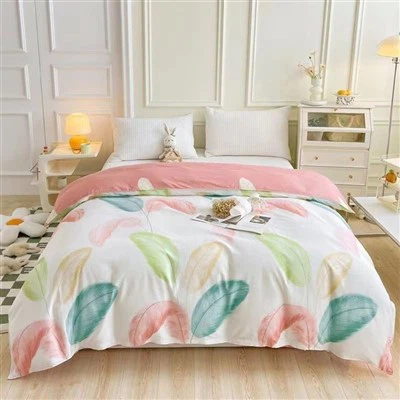
In home textiles, the absorbency of cotton twill fabric can affect its functionality and durability. For example, in towels and bedding, a fabric with high absorbency can quickly absorb and retain moisture, making it more effective at drying and keeping the user dry. In upholstery, the absorbency of the fabric can affect its ability to resist stains and odors. A fabric with low absorbency may be more prone to staining and may require more frequent cleaning.
Our Cotton Twill Fabric Offerings
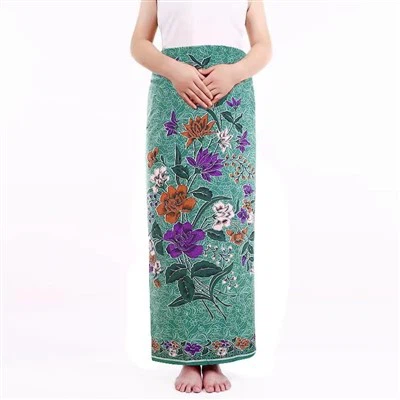
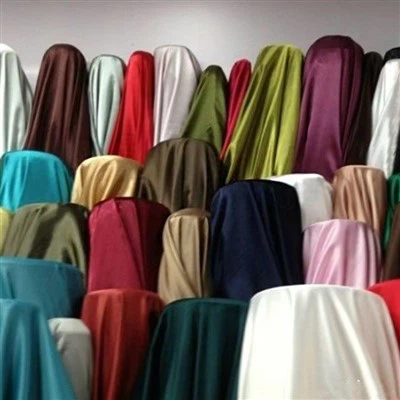
As a supplier of cotton twill fabric, we offer a wide range of products to meet the diverse needs of our customers. Our Twill Cotton Spandex Fabric combines the durability and absorbency of cotton with the stretch and flexibility of spandex, making it ideal for activewear and form-fitting clothing. Our 100% Twill Cotton Fabric is a classic choice for a variety of applications, including clothing, upholstery, and home textiles. And our Print Cotton Twill Fabric features beautiful prints and patterns, adding a touch of style to any project.
Contact Us for Purchasing and Collaboration
If you're interested in learning more about our cotton twill fabric products or would like to discuss a potential purchase, we'd love to hear from you. Our team of experts is available to answer your questions and provide you with the information you need to make an informed decision. Whether you're a small business owner, a designer, or a large-scale manufacturer, we have the products and services to meet your needs.
References
- Textile Institute. (2019). Handbook of Textile Fibre Structure. Woodhead Publishing.
- Horrocks, A. R., & Anand, S. C. (Eds.). (2000). Handbook of Technical Textiles. Woodhead Publishing.
- Tortora, P. G., & Merkel, K. A. (2009). Fairchild's Dictionary of Textiles. Fairchild Books.