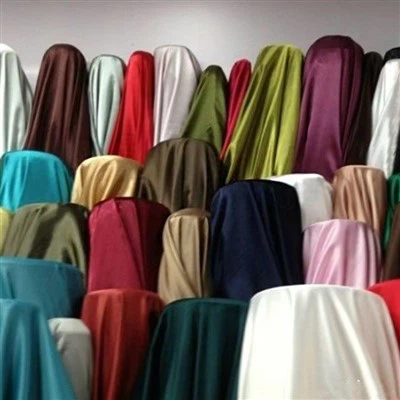
As a supplier of bridal satin, I am well - versed in the beauty and elegance this fabric brings to wedding gowns. However, it's important to be transparent about its disadvantages. In this blog, I'll delve into some of the drawbacks of bridal satin that brides - to - be and fashion designers should consider.
1. Cost
One of the most significant disadvantages of bridal satin is its cost. High - quality bridal satin is often made from premium materials, and the manufacturing process can be complex. Satin is typically woven with a specific technique that gives it its characteristic sheen and smoothness. The raw materials, such as silk or high - grade polyester, can be expensive. For instance, silk satin is derived from the cocoons of silkworms, and the labor - intensive process of silk production contributes to its high price.
Even Polyester Satin Silk Fabric, which is a more affordable alternative to silk satin, can still be relatively costly compared to other fabrics. The cost of bridal satin can put a strain on a wedding budget, especially for couples who are trying to manage multiple expenses associated with their big day. This might force brides to compromise on other aspects of their wedding, such as the venue or the catering, to afford a satin wedding dress.
2. Maintenance
Bridal satin requires special care and maintenance. It is a delicate fabric that can be easily damaged. For example, satin is prone to snagging. Even a small rough edge on a piece of jewelry or a sharp object can create a snag in the fabric, which can be difficult to repair without leaving a visible mark.
Stains are also a major concern. Satin has a smooth surface that can show stains very clearly. Water - based stains, such as coffee or wine, can be particularly stubborn to remove. Dry cleaning is often the recommended method for cleaning bridal satin, but this can be expensive and time - consuming. Moreover, not all dry cleaners are experienced in handling satin, and improper cleaning can lead to color fading or shrinkage.
If a bride decides to store her wedding dress made of satin after the wedding, she needs to take extra precautions. Satin should be stored in a cool, dry place away from direct sunlight to prevent yellowing. It is also advisable to store it in a breathable garment bag to avoid moisture buildup, which can cause mold and mildew.
3. Weight and Comfort
Bridal satin can be quite heavy, especially if it is a thick or high - quality variety. This can make it uncomfortable to wear for long periods, such as during an all - day wedding ceremony and reception. The weight of the fabric can cause fatigue, especially if the dress has a lot of layers or a full skirt.
The lack of breathability is another comfort issue. Satin is not a very breathable fabric, which means that it can trap heat and moisture against the skin. This can lead to sweating and discomfort, particularly in warm weather or in a crowded venue. Brides may find themselves feeling hot and sticky, which can detract from their overall experience on their special day.
4. Limited Stretch
Unlike some other fabrics, bridal satin has limited stretch. This can be a problem when it comes to fit. A bride's body may change slightly in the months leading up to the wedding, and a non - stretchy satin dress may not accommodate these changes well. It can be difficult to make adjustments to a satin dress, as any alterations need to be done carefully to maintain the integrity of the fabric.
Even Elastic Satin Fabric, which has some stretch, may not have enough give to provide a truly comfortable and flexible fit. This lack of stretch can also limit the range of movement for the bride. She may find it difficult to sit, stand, or dance freely in a satin dress, which can be a major drawback on a day when she wants to enjoy every moment without restrictions.
5. Environmental Impact
The production of bridal satin can have a significant environmental impact. If it is made from silk, the silk - making process involves boiling the silkworm cocoons, which is considered inhumane by some. In addition, the cultivation of mulberry trees, which are the primary food source for silkworms, requires a large amount of water and land.
Polyester satin, on the other hand, is made from synthetic materials derived from petroleum. The production of polyester involves the use of non - renewable resources and can release harmful chemicals into the environment. The disposal of satin dresses after the wedding also poses an environmental problem. Satin is not biodegradable, and if it ends up in landfills, it can take hundreds of years to break down.
6. Static Electricity
Bridal satin is prone to static electricity. This can cause the fabric to cling to the body, which is not only unflattering but also uncomfortable. Static electricity can also attract dust and lint, making the dress look dirty and less pristine. In a wedding setting, where the bride wants to look her best, static - cling can be a major annoyance.
To combat static, brides may need to use anti - static sprays or fabric softeners, but these products can also leave a residue on the satin and may affect its appearance. The presence of static electricity can also cause the fabric to make a rustling noise when the bride moves, which can be distracting during the ceremony or reception.
7. Color Fastness
The color of bridal satin may not be as fast as desired. Exposure to sunlight, sweat, and cleaning agents can cause the color to fade over time. This is especially true for lighter colors, such as ivory or white, which are popular choices for wedding dresses.
Even 100% Polyester Satin Fabric Woven Shiny, which is known for its durability, can experience color fading if not properly cared for. A faded wedding dress may not look as beautiful in photos or when the bride decides to pass it down as a family heirloom.
Despite these disadvantages, bridal satin still remains a popular choice for wedding dresses due to its luxurious appearance and timeless appeal. As a supplier, I understand that these drawbacks need to be considered, but I also believe that with proper care and planning, many of these issues can be mitigated.


If you are a bride - to - be or a fashion designer interested in learning more about our bridal satin products, or if you have any questions regarding the fabric's properties and how to work around its disadvantages, I encourage you to reach out to us for a procurement discussion. We can provide you with samples and detailed information to help you make an informed decision.
References
- "Textiles: Science and Technology" by John R. Price
- "The Chemistry of Fibres and Fabrics" by John W. S. Hearle