Can I dye fabric with ink? That's a question I get asked a lot, especially since I'm a supplier of dyed fabric. Let me tell you, it's an interesting topic, and there's a lot to unpack here.
First off, the short answer is yes, you can dye fabric with ink. But like most things in life, it's not that simple. There are a bunch of factors you need to consider before you go ahead and start splashing ink all over your favorite piece of cloth.
The type of ink matters big time. There are different kinds of inks out there, like ballpoint pen ink, printer ink, and fabric ink. Ballpoint pen ink, for example, is not really suitable for fabric dyeing. It's designed to stick to paper, and it won't bond well with fabric fibers. You'll end up with a blotchy mess that'll fade away after a few washes.
Printer ink is a bit more complex. Some printer inks are water - based, and others are pigment - based. Water - based inks can be used for fabric dyeing to some extent, but they might not be as color - fast as you'd like. Pigment - based inks, on the other hand, tend to be more durable. However, getting them to work evenly on fabric can be tricky. You might need to use special techniques like heat - setting to make the ink adhere properly.
Fabric ink, as the name suggests, is specifically made for dyeing fabric. It's formulated to bond well with fabric fibers and is usually more color - fast than other types of ink. If you're serious about dyeing fabric with ink, fabric ink is probably your best bet.
Another crucial factor is the type of fabric. Different fabrics react differently to ink. Natural fibers like cotton, linen, and silk are generally more receptive to ink dyeing. They have porous structures that allow the ink to penetrate and bond with the fibers. For instance, cotton is a popular choice for ink dyeing because it can absorb and hold the color well.
Synthetic fibers, such as polyester, can be a bit more challenging. Polyester has a smooth and non - porous surface, which makes it harder for ink to stick. But don't worry, there are ways around it. You can use special polyester - friendly inks or pre - treat the fabric to make it more receptive to the ink.
Let me give you an example from my own experience as a dyed fabric supplier. We have a range of products, like the Polyester Embossed Bazin Fabric. This is a polyester - based fabric, and dyeing it with regular ink would be a nightmare. But by using the right techniques and specialized inks, we're able to achieve beautiful, long - lasting colors.
The process of dyeing fabric with ink also matters. If you're just going to pour ink on the fabric, you're likely to get an uneven result. You need to be more strategic. One common method is to use a spray bottle to apply the ink evenly. You can also use a brush or a sponge for more detailed work.


Heat - setting is another important step. After applying the ink, you need to heat the fabric to make the ink bond with the fibers. This can be done using an iron or a heat press. Just make sure you follow the instructions carefully, as too much heat can damage the fabric.
Let's talk about the pros and cons of dyeing fabric with ink. On the plus side, ink dyeing gives you a lot of creative freedom. You can create unique patterns and designs that you won't find in store - bought dyed fabrics. It's also a relatively inexpensive way to customize your fabric.
However, there are some downsides. As I mentioned earlier, achieving an even color can be difficult, especially if you're new to the process. And the color might not be as long - lasting as commercially dyed fabric. Also, if you're using non - fabric ink, there's a risk of the ink bleeding or fading over time.
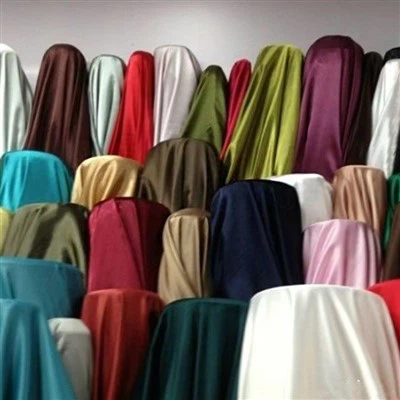
We also offer other types of dyed fabrics, such as the Optical White Pocket Lining Fabric and the Dyed Black Out Curtain Fabric. These fabrics are dyed using professional techniques to ensure high - quality, long - lasting colors.
If you're thinking about dyeing fabric with ink for your own projects, here are some tips. Start with a small piece of fabric to test the ink and the process. Make sure you have all the necessary tools, like a spray bottle, a heat source, and protective gear. And don't be afraid to experiment with different colors and techniques.
As a dyed fabric supplier, I've seen the demand for unique and custom - dyed fabrics grow over the years. Whether you're a fashion designer, a home decorator, or just someone who loves DIY projects, having the option to dye fabric with ink can open up a world of possibilities.
If you're interested in our dyed fabric products or have any questions about fabric dyeing in general, we'd love to hear from you. Reach out to us, and we can discuss your needs and see how we can help you with your next project. Whether you're looking for a specific color, a particular fabric type, or just some advice on dyeing, we're here to assist you.
In conclusion, dyeing fabric with ink is possible, but it comes with its own set of challenges. With the right knowledge, tools, and techniques, you can achieve great results. And if you're not up for the DIY route, our range of pre - dyed fabrics, like the ones I mentioned earlier, are ready to meet your needs.
References
- "The Complete Guide to Fabric Dyeing" by Jane Smith
- "Ink and Fabric: A Practical Handbook" by John Doe