Hey there! As a supplier of TC poplin fabric, I often get asked all sorts of questions about what our fabric can and can't do. One question that's been popping up a lot lately is, "Can TC poplin fabric be used for making book covers?" Well, let's dive right into it and find out.
First off, let's talk a bit about what TC poplin fabric is. TC poplin is a blend of polyester and cotton. The "TC" stands for "polyester-cotton," and the ratio can vary. We offer different blends like Tc 65/35 Fabric, which has 65% polyester and 35% cotton, Cvc Plain Fabric, and Tc 80/20 Fabric with 80% polyester and 20% cotton. Each blend has its own unique properties, but they all share some common characteristics that make them interesting candidates for book covers.
Advantages of Using TC Poplin for Book Covers
Durability
One of the biggest advantages of TC poplin fabric for book covers is its durability. Polyester is known for its strength and resistance to wear and tear. When blended with cotton, it creates a fabric that can withstand a lot of handling. Books are often tossed around in bags, placed on rough surfaces, and opened and closed countless times. A book cover made from TC poplin can take all that abuse and still look good. The polyester fibers in the fabric help it resist stretching and shrinking, so the cover will keep its shape over time.
Easy Maintenance
TC poplin is also relatively easy to maintain. Unlike some natural fabrics that require special care, TC poplin can usually be machine-washed and dried without much worry. If a book cover gets dirty, you can simply throw it in the wash, and it'll come out looking fresh and clean. This is a huge plus, especially for books that are used in environments where they're likely to get dirty, like schools or libraries.
Aesthetic Appeal
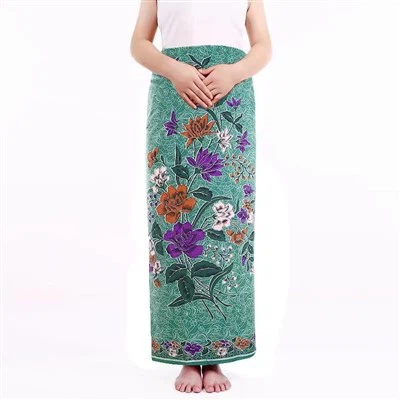
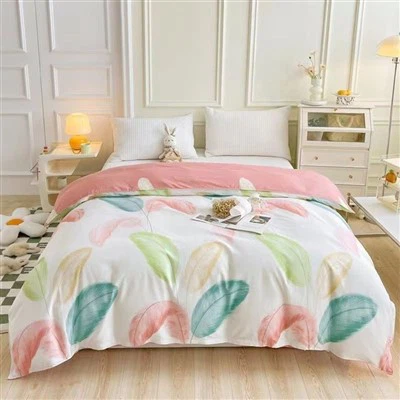
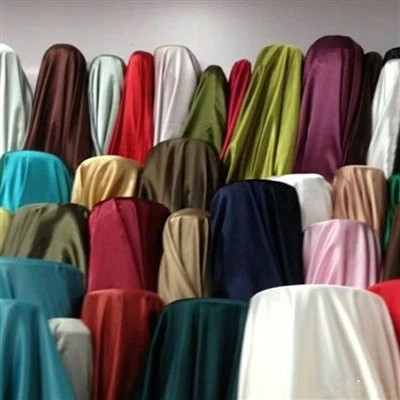
In terms of looks, TC poplin offers a lot of options. It can be printed with all sorts of designs, colors, and patterns. Whether you're looking for a simple, solid color cover for a classic book or a bold, eye-catching design for a children's book, TC poplin can be customized to fit your needs. The fabric has a smooth, crisp finish that gives it a professional and polished look.
Cost-Effectiveness
Another great thing about TC poplin is its cost-effectiveness. Compared to some other materials used for book covers, like leather or high-end synthetic materials, TC poplin is relatively inexpensive. This makes it a great choice for publishers or individuals who want to create high-quality book covers without breaking the bank. You can get a lot of fabric for your money, and since it's durable, you won't have to replace the covers as often.
Considerations When Using TC Poplin for Book Covers
Breathability
One potential drawback of TC poplin is its breathability. Since it contains polyester, which is a synthetic fiber, it doesn't breathe as well as pure cotton. This means that if the book is stored in a humid environment, there's a risk of moisture getting trapped between the cover and the book pages. Over time, this could lead to mold or mildew growth. However, if the book is stored in a dry, well-ventilated area, this shouldn't be a major issue.
Stiffness
Depending on the blend and the finish of the TC poplin, it can be a bit stiff. While this can be an advantage in terms of providing structure to the book cover, it might not be ideal for all types of books. For example, if you're making a cover for a softcover book that needs to be flexible and bend easily, a very stiff TC poplin might not be the best choice. You might need to look for a softer blend or treat the fabric to make it more pliable.


How to Use TC Poplin for Book Covers
Cutting and Measuring
If you've decided to use TC poplin for your book covers, the first step is to measure the book accurately. You'll need to measure the height, width, and thickness of the book to determine how much fabric you'll need. Make sure to add a little extra for seam allowances and any flaps or folds you want to include in the cover. Once you have your measurements, use sharp scissors or a rotary cutter to cut the fabric to the appropriate size.
Sewing or Gluing
There are two main ways to attach the TC poplin fabric to the book. You can sew it, which gives a more professional and durable finish. Use a strong thread that matches the color of the fabric and sew around the edges of the cover, making sure to secure it tightly to the book. If you're not comfortable with sewing, you can also use a strong fabric glue. Apply the glue evenly to the back of the fabric and press it firmly onto the book cover. Make sure to smooth out any air bubbles or wrinkles as you go.
Finishing Touches
After attaching the fabric to the book, you can add some finishing touches to make the cover look even better. You can add a binding around the edges of the cover for a more polished look. You can also use embroidery, appliques, or other decorative elements to personalize the cover.
Conclusion
So, can TC poplin fabric be used for making book covers? The answer is a resounding yes! It has a lot of advantages, including durability, easy maintenance, aesthetic appeal, and cost-effectiveness. While there are some considerations to keep in mind, like breathability and stiffness, with the right approach, TC poplin can make excellent book covers.
If you're interested in using TC poplin fabric for your book covers or have any questions about our products, don't hesitate to reach out. We're here to help you find the perfect fabric for your project. Whether you're a small independent publisher or an individual looking to make a custom book cover, we've got you covered.
References
- Textile Handbook: A Comprehensive Guide to Fabrics and Their Properties.
- Practical Bookbinding Techniques for Beginners.