Cotton plain fabric is a staple in the textile industry, known for its versatility, comfort, and wide range of applications. As a supplier of high - quality cotton plain fabric, I often encounter questions from customers about its performance, especially whether it pills easily. In this blog, I'll delve into the factors that influence pilling in cotton plain fabric and provide insights to help you make informed decisions.
Understanding Pilling
Pilling refers to the formation of small balls of fiber on the surface of a fabric. These pills are created when loose fibers become entangled and form clusters. Pilling can occur due to friction during normal wear and washing. Fabrics that are prone to pilling may look shabby and less appealing over time, which can be a concern for both consumers and businesses in the textile market.
Factors Affecting Pilling in Cotton Plain Fabric
Fiber Quality
The quality of the cotton fibers used in the fabric plays a crucial role in pilling resistance. Longer staple cotton fibers, such as Egyptian cotton or Pima cotton, are generally less likely to pill compared to shorter staple fibers. Longer fibers are more tightly bound within the yarn, reducing the likelihood of them becoming loose and forming pills. At our company, we source high - quality long - staple cotton to ensure that our cotton plain fabric has better pilling resistance.


Yarn Construction
The way the yarn is constructed also affects pilling. Twisted yarns are more resistant to pilling than loosely spun yarns. A higher twist in the yarn holds the fibers together more firmly, making it harder for them to break free and form pills. We use well - twisted yarns in our cotton plain fabric production to enhance its pilling performance.
Fabric Weave
The weave of the cotton plain fabric can influence pilling. A tight weave generally provides better pilling resistance than a loose weave. In a tight - weave fabric, the fibers are less exposed to friction, reducing the chance of them being pulled out and forming pills. Our cotton plain fabric is woven with precision to achieve an optimal balance between tightness and breathability.
Finishing Treatments
Fabric finishing treatments can significantly impact pilling. Some finishing processes, such as singeing, can remove the loose surface fibers, reducing the potential for pilling. Additionally, chemical treatments can be applied to strengthen the fibers and improve their resistance to abrasion. We offer various finishing options for our cotton plain fabric to meet different customer requirements for pilling resistance.
Types of Cotton Plain Fabric and Their Pilling Tendencies
Print Cotton Fabric
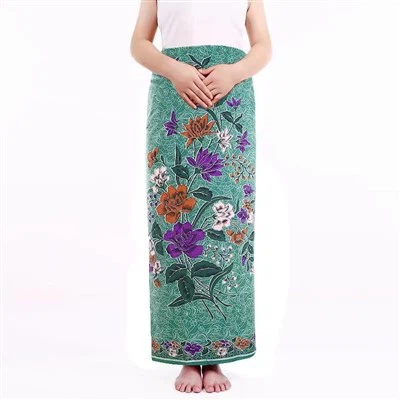
Print Cotton Fabric is a popular choice for clothing and home decor. The printing process itself does not necessarily increase pilling, but the base fabric's quality and construction are key factors. If the print cotton fabric is made from high - quality cotton with proper yarn construction and weave, it can have good pilling resistance. Our print cotton fabric is carefully crafted to ensure that the print does not compromise the fabric's overall performance, and it maintains its appearance even after multiple washes.
Cotton Double Layer Gauze Fabric
Cotton Double Layer Gauze Fabric is known for its softness and breathability. However, due to its relatively loose structure, it may be more prone to pilling compared to some other types of cotton plain fabric. But by using high - quality cotton and appropriate finishing treatments, we can minimize the pilling issue. Our cotton double - layer gauze fabric is designed to be both comfortable and durable, with a reasonable level of pilling resistance.
Crepe Plain Cotton Fabric
Crepe Plain Cotton Fabric has a unique texture and drape. The crepe effect is achieved through a special weaving or finishing process. This type of fabric can have good pilling resistance if the underlying cotton quality and yarn construction are of high standards. Our crepe plain cotton fabric is engineered to maintain its smooth appearance and resist pilling, making it suitable for a variety of fashion applications.
How to Minimize Pilling in Cotton Plain Fabric
- Proper Washing: Use a gentle cycle when washing cotton plain fabric to reduce friction. Turn the fabric inside out before washing to protect the outer surface from excessive abrasion. Avoid over - stuffing the washing machine, as this can increase friction between the fabrics.
- Use Mild Detergents: Harsh detergents can damage the fibers and increase the likelihood of pilling. Opt for mild, fabric - friendly detergents.
- Avoid High - Speed Drying: High - speed drying can cause more friction and increase pilling. Use a low - heat or air - dry setting to dry the fabric.
Conclusion
In conclusion, whether cotton plain fabric pills easily depends on multiple factors, including fiber quality, yarn construction, fabric weave, and finishing treatments. As a supplier, we are committed to producing high - quality cotton plain fabric with excellent pilling resistance. Our range of Print Cotton Fabric, Cotton Double Layer Gauze Fabric, and Crepe Plain Cotton Fabric is carefully crafted to meet the diverse needs of our customers.
If you are interested in our cotton plain fabric or have any questions about its pilling performance, we invite you to contact us for a detailed discussion and potential procurement. We look forward to working with you to provide the best textile solutions for your business.
References
- Textile Institute. "Textile Terms and Definitions." 11th Edition.
- Horrocks, A. R., & Anand, S. C. (Eds.). "Handbook of Technical Textiles." Woodhead Publishing, 2000.