As a supplier of poly microfiber fabric, I often get asked the question: "Does poly microfiber fabric shrink when washed?" It's a valid concern, especially for customers who are looking for durable and long - lasting fabrics. In this blog, I'll delve into the properties of poly microfiber fabric, its behavior during washing, and provide some useful tips to maintain its quality.
Understanding Poly Microfiber Fabric
Poly microfiber fabric is a synthetic material made from polyester fibers. These fibers are extremely fine, often less than one denier (a unit of measurement for fiber thickness). The fineness of the fibers gives poly microfiber fabric several unique properties. It is lightweight, soft to the touch, and has excellent moisture - wicking capabilities. This makes it suitable for a wide range of applications, from sportswear and bedding to upholstery.


One of the key advantages of poly microfiber fabric is its durability. Polyester, as a base material, is known for its resistance to stretching, shrinking, and wrinkling. The microfiber construction further enhances these properties. The tightly woven or knitted structure of the fabric helps to maintain its shape and integrity over time.
Does Poly Microfiber Fabric Shrink When Washed?
In general, poly microfiber fabric is highly resistant to shrinking when washed. The chemical composition of polyester makes it less likely to be affected by the temperature and agitation in the washing process. Unlike natural fibers such as cotton or wool, which can shrink due to the relaxation of their fibers when exposed to water and heat, polyester fibers have a more stable molecular structure.
However, there are some factors that can potentially cause poly microfiber fabric to shrink:
High - Temperature Washing
Exposing poly microfiber fabric to high - temperature water can cause it to shrink. When polyester fibers are subjected to extreme heat, they can start to deform. The heat can break down the internal bonds in the fibers, causing them to contract. Most manufacturers recommend washing poly microfiber fabric in cold or warm water (around 30 - 40°C) to avoid any potential shrinkage.
Harsh Detergents
Some detergents contain chemicals that can be too harsh for poly microfiber fabric. These chemicals can damage the fibers and make them more prone to shrinking. It's important to use a mild detergent specifically formulated for synthetic fabrics. Avoid using detergents with bleach or strong enzymes, as these can degrade the fabric over time.
Over - Agitation
Excessive agitation in the washing machine can also cause problems. The mechanical stress from vigorous spinning and tumbling can disrupt the structure of the fabric. If the fabric is washed on a high - speed or heavy - duty cycle, the fibers may become misaligned and lead to some degree of shrinkage. It's best to use a gentle cycle when washing poly microfiber fabric.
Tips to Prevent Shrinkage
To ensure that your poly microfiber fabric retains its original size and shape, follow these tips:
Wash in Cold or Warm Water
As mentioned earlier, cold or warm water is the safest option for washing poly microfiber fabric. This temperature range helps to keep the fibers stable and prevents any heat - induced shrinkage.
Use a Mild Detergent
Choose a mild detergent that is suitable for synthetic fabrics. Look for products that are labeled as "gentle" or "for delicates." These detergents are formulated to clean the fabric without causing any damage.
Select a Gentle Cycle
When using a washing machine, select a gentle cycle. This will minimize the agitation and reduce the stress on the fabric. If possible, use a front - loading washing machine, as they are generally more gentle on fabrics than top - loading machines.
Avoid High - Heat Drying
High - heat drying can be just as damaging as high - temperature washing. Instead of using the high - heat setting on your dryer, opt for a low - heat or air - dry setting. This will allow the fabric to dry slowly and gently, reducing the risk of shrinkage.
Applications of Poly Microfiber Fabric
Poly microfiber fabric has a wide range of applications due to its many benefits. Some of the popular uses include:
Apparel
It is commonly used in sportswear, activewear, and lingerie. The moisture - wicking properties make it ideal for keeping the body dry during physical activities. For example, many running shorts, yoga pants, and sports bras are made from poly microfiber fabric.
Bedding
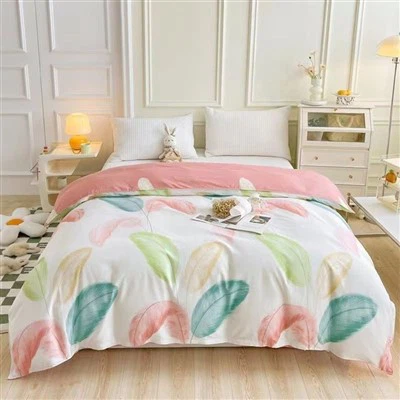
Poly microfiber sheets and pillowcases are popular because they are soft, cool to the touch, and easy to care for. They are also hypoallergenic, making them a great choice for people with allergies.
Upholstery
The durability and stain - resistance of poly microfiber fabric make it a good option for upholstery. It can be used to cover sofas, chairs, and other furniture pieces. The fabric is easy to clean and can withstand regular use.
Our Poly Microfiber Fabric Products
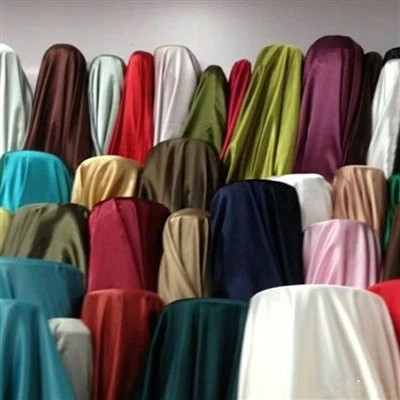
We offer a variety of poly microfiber fabric products, each with its own unique features and applications.
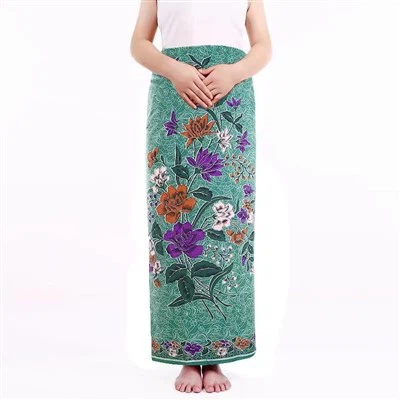
Printed Sarong Fabric Thailand Traditional is a beautiful and vibrant fabric. It combines the durability of poly microfiber with traditional Thai prints. This fabric is perfect for making sarongs, scarves, or beachwear.
Embossed Microfiber Polyester Fabric features an embossed pattern that adds a touch of elegance. It can be used for high - end apparel or decorative purposes.
Disperse Printed Microfiber Fabric Egypt showcases intricate disperse prints. The fabric is suitable for a range of applications, from fashion to home decor.
Conclusion
In conclusion, poly microfiber fabric is generally resistant to shrinking when washed, but it's important to take proper care to maintain its quality. By following the recommended washing and drying guidelines, you can ensure that your poly microfiber fabric stays in great condition for a long time.
If you're interested in purchasing our poly microfiber fabric products, we'd love to hear from you. Whether you're a small - scale designer or a large - scale manufacturer, we can provide you with high - quality fabrics at competitive prices. Contact us to start a discussion about your specific requirements and let's work together to bring your ideas to life.
References
- Textile Institute. (2018). Handbook of Textile Fibre Structure. Woodhead Publishing.
- ASTM International. (2019). Standard Test Methods for Dimensional Change of Fabrics after Home Laundering. ASTM D5035.