As a supplier of mini matt fabric, I often encounter customers who are uncertain about how to assess the quality of this fabric. In this blog, I'll share some insights and practical tips to help you determine if a mini matt fabric is of good quality.
1. Visual Inspection
The first step in evaluating mini matt fabric is through visual inspection. A high - quality mini matt fabric should have a consistent appearance.
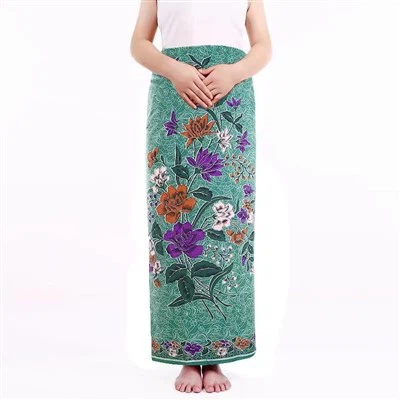
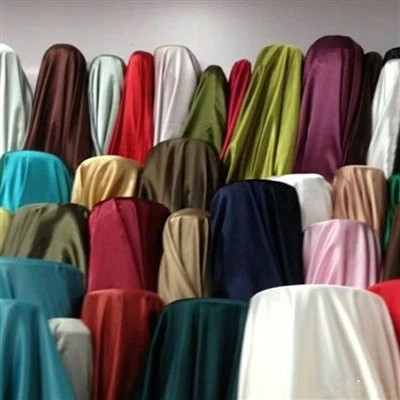
- Color Uniformity: Whether it's a Print Mini Matt Fabric or a Solid Color Mini Matt Fabric, the color should be evenly distributed. For printed fabrics, there should be no blurry or faded areas in the print. The colors should be vivid and true to the sample or design. In the case of solid - color fabrics, any color variations across the fabric surface could indicate poor dyeing processes or inconsistent raw materials.
- Surface Smoothness: Run your hand over the fabric. A good - quality mini matt fabric will have a smooth surface without any visible bumps, lumps, or irregularities. These imperfections can affect the fabric's drape and the overall look of the finished product. Additionally, a smooth surface is often an indication of a well - made fabric with proper weaving or knitting techniques.
- Luster: Mini matt fabric is known for its semi - matte finish. It should have a soft, subdued luster that is neither too shiny nor too dull. An overly shiny fabric might not have the desired mini matt effect, while a fabric that is too dull could be of lower quality or damaged during the manufacturing process.
2. Touch and Feel
The tactile experience of the fabric can tell you a lot about its quality.


- Softness: A high - end mini matt fabric should feel soft to the touch. This softness is not only comfortable for the end - user but also indicates the quality of the fibers used and the finishing processes. If the fabric feels rough or scratchy, it may be made from lower - grade fibers or have undergone improper treatment.
- Thickness and Weight: The thickness and weight of the fabric should be appropriate for its intended use. For example, if it's for lightweight summer clothing, it should be relatively thin and lightweight. On the other hand, if it's for a more heavy - duty application like upholstery, it should be thicker and more substantial. You can compare the fabric's weight to a known standard or sample to get an idea of its quality. A fabric that is too thin or too thick for its intended purpose may not perform well.
- Elasticity (if applicable): Some mini matt fabrics may have a certain degree of elasticity. If this is the case, gently stretch the fabric. A good - quality fabric will stretch evenly and return to its original shape without excessive sagging or distortion. Uneven stretching or a lack of recovery can be signs of poor construction or low - quality elastic fibers.
3. Durability Testing
Durability is a crucial factor when it comes to assessing the quality of mini matt fabric.
- Tensile Strength: You can perform a simple tensile strength test at home. Cut a small strip of the fabric and hold it at both ends. Gradually apply gentle pressure to pull it apart. A high - quality fabric will resist tearing and have a good amount of strength. If the fabric tears easily or shows signs of fraying at the edges, it may not be durable enough for long - term use.
- Colorfastness: To test colorfastness, wet a small corner of the fabric with a clean, white cloth dampened with water. Gently rub the wet area on the fabric. If the color transfers onto the white cloth, it indicates poor colorfastness. This is especially important for fabrics that will be washed frequently or exposed to sunlight, as fading or color bleeding can significantly reduce the fabric's aesthetic appeal.
- Pilling Resistance: Pilling occurs when small balls of fiber form on the fabric surface due to friction. You can simulate this by rubbing the fabric against a rough surface, such as a piece of sandpaper. A high - quality mini matt fabric will have good pilling resistance and should not form excessive pills after this test.
4. Weave or Knit Structure
The way the fabric is woven or knitted can also impact its quality.
- Weave Density: For woven mini matt fabrics, check the weave density. A tight and uniform weave is generally a sign of good quality. You can look closely at the fabric to see if the threads are evenly spaced and tightly interlaced. A loose or uneven weave can make the fabric more prone to tearing and may affect its overall durability.
- Knit Integrity: In the case of knitted mini matt fabrics, examine the knit structure. There should be no dropped stitches, holes, or loose loops. A well - knitted fabric will have a consistent pattern and a smooth texture. Any irregularities in the knit can weaken the fabric and lead to premature wear and tear.
5. Chemical and Environmental Factors
In today's market, it's also important to consider the chemical and environmental aspects of the fabric.
- Chemical Residues: Some fabrics may contain harmful chemical residues from the manufacturing process. Look for fabrics that are certified to be free from hazardous substances such as formaldehyde, heavy metals, and pesticides. These certifications can provide assurance that the fabric is safe for use, especially for applications like clothing and bedding.
- Environmental Sustainability: Consumers are increasingly concerned about the environmental impact of the products they purchase. Look for mini matt fabrics that are made from sustainable materials, such as recycled polyester or organic fibers. Additionally, fabrics that are produced using eco - friendly manufacturing processes are often of higher quality as they tend to be more carefully made and have a lower environmental footprint.
6. Supplier Reputation
Finally, the reputation of the supplier can be a strong indicator of the fabric's quality.
- Reviews and References: Check online reviews and ask for references from other customers. A supplier with a good reputation will have positive feedback from satisfied customers. They are more likely to provide high - quality products and excellent customer service.
- Industry Experience: A supplier with years of experience in the mini matt fabric industry is more likely to have the knowledge and expertise to produce and source high - quality fabrics. They will be familiar with the latest manufacturing techniques and industry standards.
In conclusion, assessing the quality of mini matt fabric requires a combination of visual inspection, tactile evaluation, durability testing, and consideration of chemical and environmental factors. By following these tips, you can make a more informed decision when purchasing mini matt fabric. If you're interested in purchasing high - quality mini matt fabric, I invite you to reach out to me for more information and to discuss your specific requirements. We can work together to find the perfect fabric for your project.
References
- Textile Testing Handbook, Third Edition, by David J. Hinks
- The Complete Textile Book, by Rita Buchanan