Fabric texture is a fundamental characteristic that influences numerous aspects of a fabric's performance and appearance, and one of the most significant areas it impacts is the dyeing process. As a dyed fabric supplier, I've witnessed firsthand how different fabric textures can lead to diverse dyeing results, affecting everything from color intensity and uniformity to the overall aesthetic appeal of the finished product. In this blog, I'll delve into the ways fabric texture affects dyeing outcomes and explore how understanding these relationships can help us create high-quality dyed fabrics.
Understanding Fabric Texture
Before we discuss the impact of fabric texture on dyeing, it's essential to understand what fabric texture entails. Fabric texture refers to the surface characteristics of a fabric, including its smoothness, roughness, porosity, and the arrangement of its fibers. These characteristics are determined by various factors, such as the type of fibers used, the weaving or knitting technique, and any additional treatments applied to the fabric.
Fabric textures can be broadly categorized into smooth, rough, porous, and non-porous textures. Smooth fabrics, such as Polyester Taffeta Fabric, have a sleek surface with minimal irregularities, while rough fabrics, like burlap, have a coarse and uneven texture. Porous fabrics, such as cotton, have open spaces between the fibers that allow dyes to penetrate easily, whereas non-porous fabrics, like polyester, have a more compact structure that can make dyeing more challenging.
Impact of Fabric Texture on Dye Absorption
One of the primary ways fabric texture affects dyeing is through its influence on dye absorption. The texture of a fabric determines how easily dyes can penetrate the fibers and adhere to them. Porous fabrics with a loose fiber structure, such as cotton and linen, tend to absorb dyes more readily than non-porous fabrics with a tight fiber structure, such as polyester and nylon.
In porous fabrics, the open spaces between the fibers provide channels for the dye molecules to enter and spread throughout the fabric. This results in a more even and intense coloration, as the dye can reach all parts of the fabric. On the other hand, non-porous fabrics have a more compact structure that restricts the movement of dye molecules. As a result, dyes may have difficulty penetrating the fibers, leading to a less intense color and a more uneven dyeing result.
For example, when dyeing a cotton fabric, the dye can easily penetrate the porous fibers, resulting in a rich and vibrant color. In contrast, when dyeing a polyester fabric, the dye may only adhere to the surface of the fibers, resulting in a less intense color and a higher risk of color fading over time. To overcome this challenge, special dyeing techniques and additives may be required to enhance the dye absorption of non-porous fabrics.
Effect of Fabric Texture on Color Uniformity
Another important aspect of dyeing is color uniformity, which refers to the even distribution of color throughout the fabric. Fabric texture can have a significant impact on color uniformity, as it affects how the dye spreads and adheres to the fibers.
Smooth fabrics tend to produce more uniform dyeing results than rough fabrics. This is because the smooth surface of the fabric allows the dye to spread evenly across the fibers, resulting in a consistent color throughout the fabric. In contrast, rough fabrics have a more uneven surface that can cause the dye to accumulate in some areas and be less concentrated in others, leading to a patchy or streaky appearance.
For instance, when dyeing a Polyester Embossed Bazin Fabric, the embossed pattern on the fabric can create areas of varying texture. As a result, the dye may not spread evenly across the fabric, leading to differences in color intensity between the embossed and non-embossed areas. To achieve a more uniform color on rough or textured fabrics, additional steps may be required, such as pre-treatment or post-treatment processes, to ensure that the dye is evenly distributed.
Influence of Fabric Texture on Color Fastness
Color fastness is a measure of how well a dyed fabric retains its color when exposed to various factors, such as washing, light, and rubbing. Fabric texture can play a role in color fastness, as it affects how the dye adheres to the fibers and how resistant it is to fading.
Porous fabrics tend to have better color fastness than non-porous fabrics. This is because the open structure of porous fabrics allows the dye to penetrate deeply into the fibers, creating a stronger bond between the dye and the fabric. As a result, the dye is less likely to be removed or faded by external factors.
In contrast, non-porous fabrics may have lower color fastness due to the weaker bond between the dye and the fibers. The dye may only adhere to the surface of the fibers, making it more susceptible to fading and rubbing off. To improve the color fastness of non-porous fabrics, special dyeing techniques and finishing treatments may be required to enhance the adhesion of the dye to the fibers.
Impact of Fabric Texture on Aesthetic Appeal
In addition to its technical effects on dye absorption, color uniformity, and color fastness, fabric texture can also have a significant impact on the aesthetic appeal of dyed fabrics. Different fabric textures can create unique visual and tactile effects that can enhance the overall look and feel of the fabric.


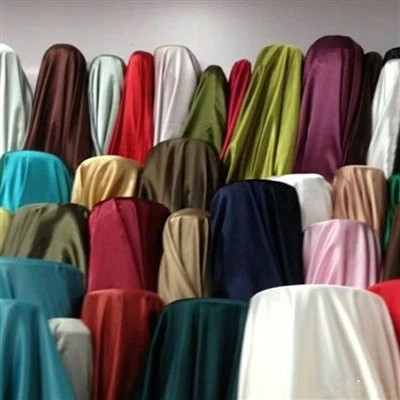
Smooth fabrics, such as silk and satin, are often associated with luxury and elegance. The sleek surface of these fabrics reflects light in a way that creates a shiny and lustrous appearance, adding a touch of sophistication to the dyed fabric. On the other hand, rough fabrics, such as tweed and corduroy, have a more rustic and textured look that can add warmth and character to the fabric.
The texture of the fabric can also affect the way the color appears. For example, a textured fabric may create a more three-dimensional effect, making the color appear more vibrant and dynamic. In contrast, a smooth fabric may create a more flat and two-dimensional look, which can be suitable for a more minimalist or modern aesthetic.
Applications in Different Industries
The understanding of how fabric texture affects dyeing results is crucial in various industries, including fashion, home decor, and automotive.
In the fashion industry, designers often choose fabrics with specific textures to achieve a desired look and feel for their garments. For example, a designer may choose a smooth silk fabric for a formal dress to create a luxurious and elegant appearance, while a rough denim fabric may be used for a casual jeans to add a rugged and durable look. The dyeing process is then carefully tailored to the fabric texture to ensure that the color is consistent and the dyeing result meets the designer's expectations.
In the home decor industry, fabric texture plays an important role in creating a comfortable and inviting atmosphere. For example, a soft and plush fabric, such as velvet, may be used for curtains or upholstery to add a sense of warmth and luxury to a room. The dyeing process is used to enhance the color and texture of the fabric, making it more visually appealing and complementing the overall decor of the room.
In the automotive industry, fabric texture is also important for both aesthetic and functional reasons. The interior of a car is often upholstered with fabrics that are not only comfortable but also durable and easy to clean. The dyeing process is used to ensure that the color of the fabric is resistant to fading and staining, while the texture of the fabric can provide a better grip and reduce the risk of slipping.
Conclusion
In conclusion, fabric texture is a critical factor that influences the dyeing result of fabrics. It affects dye absorption, color uniformity, color fastness, and the overall aesthetic appeal of the dyed fabric. As a dyed fabric supplier, understanding the relationship between fabric texture and dyeing is essential for producing high-quality dyed fabrics that meet the needs and expectations of our customers.
Whether you're looking for a Dyed Textile Fabric For Curtain, a Polyester Embossed Bazin Fabric, or a Polyester Taffeta Fabric, we have the expertise and experience to provide you with the best dyeing solutions. If you're interested in learning more about our dyed fabric products or have any questions about the dyeing process, please don't hesitate to contact us. We're always happy to discuss your specific requirements and help you find the perfect dyed fabric for your project.
References
- Lewis, D. M. (2011). The theory of dyeing. Woodhead Publishing.
- Shore, J. (2002). Color fastness to light. Society of Dyers and Colourists.
- Trotman, E. R. (1993). Dyeing and chemical technology of textile fibres. Charles Griffin & Company.