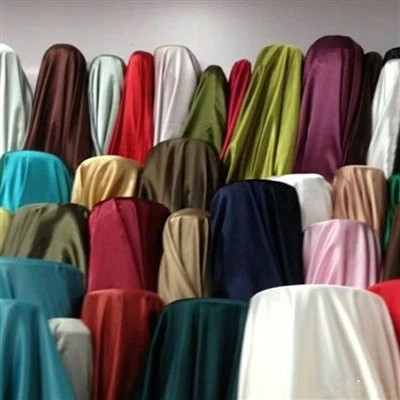
Hey there! I'm a supplier of satin fabric, and I get asked a lot about how this gorgeous material reacts to sunlight. So, I thought I'd dive into it and share everything I know.
First off, let's talk about what satin fabric is. Satin is a type of weave that gives the fabric a smooth, shiny surface on one side and a duller finish on the other. It can be made from different fibers like silk, polyester, or a blend of both. Each type of satin has its own unique properties, and these can affect how it responds to sunlight.
How Natural Satin (Silk) Reacts to Sunlight
Silk satin is a luxurious and natural option. It's known for its softness, breathability, and beautiful drape. But when it comes to sunlight, silk satin can be a bit of a diva.
Sunlight contains ultraviolet (UV) rays, and these are the main culprits when it comes to damaging fabrics. UV rays can break down the protein fibers in silk satin over time. This means that if your silk satin fabric is constantly exposed to direct sunlight, it can start to lose its strength. You might notice that it becomes more prone to tearing or fraying.
Another issue is color fading. Silk satin can absorb a lot of dyes, which gives it those rich, vibrant colors. But UV rays can cause these dyes to break down. So, if you have a bright red or a deep blue silk satin fabric and you leave it in the sun for too long, the color will start to fade. It can go from a bold, eye - catching shade to a washed - out, dull version of itself.
Synthetic Satin (Polyester) and Sunlight
Polyester satin is a more affordable and durable alternative to silk satin. Polyester fibers are synthetic, and they are generally more resistant to UV rays than natural fibers like silk.
However, that doesn't mean polyester satin is completely immune to the effects of sunlight. Over a long period of time, UV rays can still cause some changes. The fabric might become a bit more brittle. This is because the UV rays can break down the chemical bonds in the polyester fibers. While it won't happen as quickly as with silk, it's still something to keep in mind if your polyester satin is going to be in direct sunlight for extended periods.
Color fading is also a concern with polyester satin, although it might not fade as dramatically as silk. The dyes used in polyester satin are designed to be more color -fast, but they can still be affected by UV rays. You might notice a slight change in color over time, especially if the fabric is exposed to strong sunlight on a regular basis.
Blended Satin Fabrics
Blended satin fabrics, which are made from a combination of silk and polyester, offer a bit of a middle ground. They have some of the softness and luxury of silk along with the durability of polyester.


When it comes to sunlight, the reaction of blended satin depends on the ratio of silk to polyester. If there's a higher percentage of silk, it will be more like silk satin in terms of its sensitivity to sunlight. On the other hand, if the blend has more polyester, it will be more resistant to UV damage.
Practical Tips for Protecting Satin Fabric from Sunlight
As a satin fabric supplier, I always want my customers to get the most out of their purchase. So, here are some practical tips to protect your satin fabric from the harmful effects of sunlight:
- Use Curtains or Blinds: If you have satin fabric in your home, like satin curtains or upholstery, use curtains or blinds to block out direct sunlight during the hottest parts of the day. This can significantly reduce the amount of UV exposure.
- Rotate Items: If you have satin items that are on display, like a satin tablecloth or a wall hanging, rotate them every few months. This ensures that all parts of the fabric get equal exposure and reduces the risk of uneven fading.
- Store Properly: When you're not using your satin fabric, store it in a cool, dark place. A closet or a storage container away from windows is a great option.
Different Types of Satin and Their Sunlight Resistance
Let's take a look at some specific types of satin fabric and how they react to sunlight:
- Elastic Satin Fabric: Elastic satin fabric often has a blend of fibers, which can include polyester. This gives it some resistance to sunlight. However, the elastic component might be affected by UV rays over time. The elasticity could decrease, making the fabric less stretchy.
- Matt Satin Fabric: Matt satin has a less shiny finish compared to regular satin. Whether it's made from silk or polyester, it will still be affected by sunlight in a similar way to other types of satin. The main difference is that the fading might be less noticeable because of the matte finish.
- Satin Fabric Silky Fabric: If it's a silk - based satin fabric, it will be more sensitive to sunlight. But if it's a polyester or blended version, it will have better resistance.
Conclusion
In conclusion, sunlight can have a significant impact on satin fabric. Whether it's natural silk, synthetic polyester, or a blend, UV rays can cause damage like strength loss, color fading, and brittleness. But with proper care and protection, you can extend the life of your satin fabric and keep it looking beautiful for a long time.
If you're in the market for high - quality satin fabric, I'm here to help. Whether you need it for fashion, home decor, or any other project, I've got a wide range of options to choose from. Reach out to me, and let's start a conversation about your satin fabric needs.
References
- "Textile Science and Clothing Technology" by Mary A. Brooks
- "The Chemistry of Textiles" by John W. S. Hearle