As a supplier of cotton plain fabric, I've witnessed firsthand the growing demand for high - quality, comfortable textiles. One of the key factors that significantly impacts the comfort of cotton plain fabric is its air permeability. In this blog, I'll delve into how the air permeability of cotton plain fabric affects comfort and why it matters in various applications.
Understanding Air Permeability
Air permeability refers to the ability of a fabric to allow air to pass through it. It is measured in cubic feet of air per minute per square foot of fabric (CFM) or liters per square meter per second (L/m²/s). For cotton plain fabric, air permeability is determined by several factors, including the yarn count, fabric density, and weave structure.
A fabric with high air permeability allows air to circulate freely through the material. This means that moisture, such as sweat, can evaporate more easily, keeping the wearer dry and comfortable. On the other hand, a fabric with low air permeability traps heat and moisture, leading to a stuffy and uncomfortable feeling.
Impact on Comfort in Clothing
Temperature Regulation
Cotton plain fabric is widely used in clothing, from casual wear to formal attire. When it comes to comfort, temperature regulation is crucial. Fabrics with good air permeability help in maintaining a comfortable body temperature. During hot weather, the air passing through the fabric carries away body heat, preventing overheating. For example, a summer shirt made from a highly breathable Dyed Plain Cotton Fabric allows the skin to "breathe," reducing the likelihood of heat - related discomfort and skin irritation.
In contrast, a poorly breathable fabric can make the wearer feel hot and sticky. This is especially problematic for people who are physically active or live in warm climates. A high - air - permeability cotton plain fabric can make a significant difference in how comfortable one feels throughout the day.
Moisture Management
Another aspect of comfort in clothing is moisture management. When we sweat, our bodies release moisture to cool down. If the fabric cannot allow this moisture to escape, it will accumulate on the skin, leading to a damp and uncomfortable sensation. Cotton plain fabric with good air permeability can absorb and wick away sweat, allowing it to evaporate quickly.
For instance, sportswear made from breathable cotton plain fabric is ideal for athletes. The fabric's ability to manage moisture helps in preventing chafing and skin infections. It also keeps the wearer dry, which is essential for maintaining performance and comfort during physical activities.
Skin Sensitivity
Some people have sensitive skin that can be easily irritated by certain fabrics. A fabric with poor air permeability can exacerbate skin problems by creating a warm, moist environment that is conducive to the growth of bacteria and fungi. Cotton plain fabric with high air permeability, on the other hand, reduces the risk of skin irritation.
The constant circulation of air helps in keeping the skin dry and fresh. This is particularly important for individuals with skin conditions such as eczema or acne. By choosing a breathable Crepe Plain Cotton Fabric, people with sensitive skin can enjoy greater comfort and reduce the likelihood of flare - ups.
Impact on Comfort in Bedding
Sleep Quality
In the realm of bedding, air permeability plays a vital role in ensuring a good night's sleep. When we sleep, our bodies produce heat and moisture. Bedding made from cotton plain fabric with high air permeability allows this heat and moisture to escape, keeping us cool and dry throughout the night.


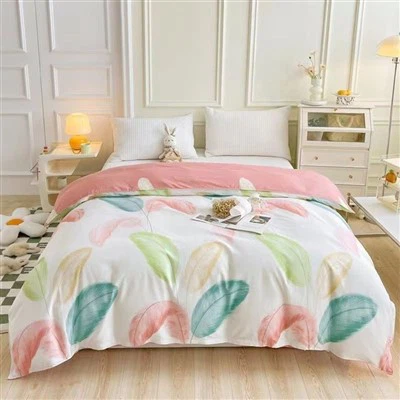
A breathable cotton sheet can prevent the build - up of sweat, which can disrupt sleep. It also helps in maintaining a comfortable sleeping environment, reducing the chances of waking up feeling hot and sticky. For example, a set of sheets made from a well - ventilated cotton plain fabric can enhance the overall sleep experience, leading to better rest and rejuvenation.
Allergen Control
Air permeability in bedding also has implications for allergen control. A fabric that allows air to circulate is less likely to trap dust mites, pollen, and other allergens. These allergens can cause respiratory problems and allergic reactions, especially for people with allergies or asthma.
Cotton plain fabric with good air permeability helps in keeping the bedding clean and fresh. It reduces the accumulation of allergens, making the sleeping environment healthier and more comfortable for everyone.
Factors Affecting Air Permeability of Cotton Plain Fabric
Yarn Count
The yarn count is an important factor in determining the air permeability of cotton plain fabric. Generally, a lower yarn count means thicker yarns, which can result in a more open fabric structure with higher air permeability. However, this also affects the fabric's strength and durability.
Higher yarn count fabrics, on the other hand, are made from finer yarns, which can create a denser fabric. While these fabrics may be smoother and more luxurious, they may have lower air permeability. As a supplier, we carefully balance the yarn count to meet the specific requirements of different applications, ensuring both comfort and quality.
Fabric Density
Fabric density refers to the number of yarns per unit area of the fabric. A fabric with a high density has more yarns packed closely together, which can reduce air permeability. Conversely, a fabric with a lower density allows more air to pass through.
When producing cotton plain fabric, we adjust the fabric density based on the intended use. For example, a fabric for summer clothing may have a lower density to maximize air permeability, while a fabric for winter bedding may have a slightly higher density for added warmth without sacrificing too much breathability.
Weave Structure
The weave structure of cotton plain fabric also impacts its air permeability. A plain weave, which is the simplest and most common weave for cotton plain fabric, has a relatively open structure that allows for good air circulation. However, other weave structures, such as twill or satin, may have different levels of air permeability.
Twill weaves can create a more compact fabric, which may reduce air permeability. Satin weaves, on the other hand, can have a smooth surface but may also be less breathable. As a supplier, we understand the characteristics of different weave structures and can recommend the most suitable one based on the desired level of air permeability and comfort.
Measuring Air Permeability
To ensure that our cotton plain fabric meets the required standards of air permeability, we use specialized testing equipment. The most common method for measuring air permeability is the ASTM D737 standard, which measures the rate of air flow through a fabric under a specific pressure differential.
By testing our fabrics regularly, we can accurately determine their air permeability and make adjustments to the production process if necessary. This allows us to provide our customers with high - quality cotton plain fabric that offers optimal comfort.
Conclusion
In conclusion, the air permeability of cotton plain fabric has a profound impact on comfort in both clothing and bedding. It affects temperature regulation, moisture management, skin sensitivity, sleep quality, and allergen control. As a supplier of cotton plain fabric, we are committed to producing fabrics with high air permeability to meet the diverse needs of our customers.
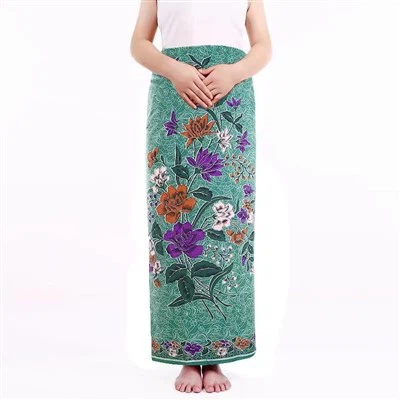
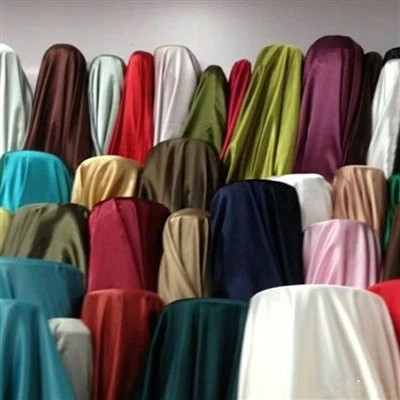
Whether you are looking for Dyed Plain Cotton Fabric for summer clothing, Crepe Plain Cotton Fabric for a more textured look, or Print Cotton Fabric for a stylish touch, we have the right solution for you. Our fabrics are carefully crafted to ensure the perfect balance of air permeability, durability, and aesthetics.
If you are interested in purchasing our high - quality cotton plain fabric, please feel free to contact us for more information and to start a procurement discussion. We look forward to working with you to meet your textile needs.
References
- ASTM International. (2018). ASTM D737 - 18: Standard Test Method for Air Permeability of Textile Fabrics.
- Horrocks, A. R., & Anand, S. C. (Eds.). (2000). Handbook of technical textiles. Woodhead Publishing.
- Morton, W. E., & Hearle, J. W. S. (2008). Physical properties of textile fibres. Woodhead Publishing.