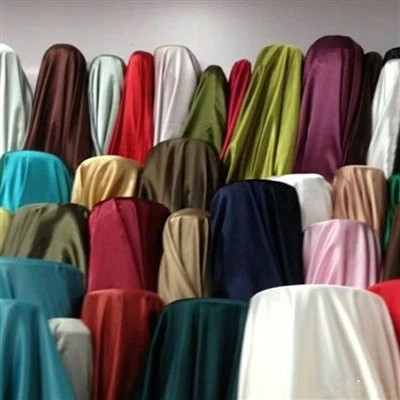
As a seasoned dyed fabric supplier, I've witnessed the growing interest in creating unique and eye - catching fabric patterns. One of the most fascinating and practical patterns is the camouflage pattern. In this blog, I'll share with you the step - by - step process of dyeing fabric to achieve a camouflage look, along with some tips and tricks that I've gathered over the years.
Understanding the Basics of Fabric Dyeing
Before we dive into the camouflage pattern creation, it's essential to understand the basics of fabric dyeing. Different types of fabrics react differently to dyes. Natural fibers like cotton, linen, and silk are generally easier to dye because they absorb the dye well. Synthetic fibers such as polyester, nylon, and acrylic require special dyes designed for synthetics.
For our camouflage project, if you're using a natural fiber fabric, you can opt for fiber - reactive dyes. These dyes bond chemically with the fabric fibers, resulting in a long - lasting and vibrant color. If you're working with synthetic fabrics, disperse dyes are the way to go.


Materials Needed
- Fabric: You can choose from a variety of fabrics depending on your end - use. For a more lightweight and breathable option, Plain Dyed Pongee Pocket Fabric is a great choice. If you're making something like a bedsheet, Bedsheet Dye Fabric would be suitable. And for curtains, Dyed Black Out Curtain Fabric can be used as a base.
- Dyes: Select a range of colors that mimic the natural environment for a realistic camouflage look. Earthy tones like greens, browns, and tans are common. You can purchase fabric dyes from craft stores or online.
- Dyeing Containers: Use plastic buckets or large pots that are dedicated to dyeing. Avoid using containers that you use for cooking.
- Gloves: Protect your hands from the dye. Rubber or latex gloves work well.
- Stencils or Masks: You can create your own stencils using cardboard or purchase pre - made ones. These will help you create the distinct shapes of the camouflage pattern.
- Brushes or Spray Bottles: Depending on your preferred application method, you'll need either brushes for a more detailed application or spray bottles for a broader coverage.
Preparing the Fabric
- Wash the Fabric: Before dyeing, wash the fabric to remove any dirt, oils, or sizing. This will ensure that the dye adheres evenly to the fabric. Use a mild detergent and avoid using fabric softeners as they can create a barrier that prevents the dye from penetrating the fibers.
- Soak the Fabric: After washing, soak the fabric in warm water. This step helps to open up the fabric fibers, allowing the dye to be absorbed more easily.
Creating the Camouflage Pattern
Step 1: Plan Your Pattern
Take some time to plan out the camouflage pattern you want to create. Look at pictures of natural camouflage in the wild for inspiration. You can sketch out your pattern on paper first to get an idea of how the colors and shapes will interact.
Step 2: Apply the First Color
- Using a Stencil: If you're using a stencil, place it on the fabric and secure it in place. Use a brush or a spray bottle to apply the first color of dye over the stencil. Be careful not to let the dye bleed under the stencil.
- Free - hand Application: If you're not using a stencil, you can use a brush to paint the first color directly onto the fabric in random shapes. Start with a light - colored base, such as a pale green or a tan.
Step 3: Add Additional Colors
Once the first color is dry, add the next color. Overlap the colors slightly to create a more natural look. You can use different stencils or change the shape of your free - hand application for each new color. Use darker colors like forest green or dark brown to add depth and dimension to the pattern.
Step 4: Let the Dye Set
After applying all the colors, let the dye set according to the manufacturer's instructions. This usually involves leaving the fabric in a warm, dry place for a certain period of time. Some dyes may require you to heat - set the fabric using an iron or a dryer.
Step 5: Rinse and Wash the Fabric
Once the dye has set, rinse the fabric under cold water until the water runs clear. Then, wash the fabric in a washing machine using a mild detergent. This will remove any excess dye and help to set the color further.
Tips and Tricks
- Layering is Key: The more layers of color you add, the more realistic and effective the camouflage pattern will be. Don't be afraid to experiment with different color combinations.
- Blend the Colors: Use a dry brush to blend the edges of the colors slightly. This will create a softer and more natural transition between the different shapes in the pattern.
- Test on a Scrap Piece: Before dyeing your main fabric, test the dye and the pattern on a small scrap piece of the same fabric. This will allow you to make any adjustments to the colors or the application method.
Applications of Camouflage - Dyed Fabric
The possibilities for using camouflage - dyed fabric are endless. You can use it to make clothing, such as jackets, pants, or hats. It's also great for outdoor gear like tents, backpacks, and sleeping bags. In home decor, you can use it to make throw pillows, curtains, or wall hangings.
Contact Us for Your Dyeing Needs
If you're interested in purchasing high - quality dyed fabrics for your camouflage projects or any other applications, we're here to help. As a leading dyed fabric supplier, we offer a wide range of fabrics in various colors and patterns. Whether you need a small quantity for a DIY project or a large order for a commercial venture, we can meet your requirements. Contact us today to start a discussion about your fabric needs and let's work together to bring your creative ideas to life.
References
- "Fabric Dyeing: A Comprehensive Guide" by Textile Publishing House
- "The Art of Camouflage Design" by Outdoor Design Institute