Dyeing fabric to achieve a watercolor-like effect is an art form that combines creativity with technical know-how. As a dyed fabric supplier, I've had the privilege of exploring various techniques and materials to bring this beautiful aesthetic to life. In this blog post, I'll share some insights on how you can dye fabric to create a watercolor-like effect, along with some of the high-quality fabrics we offer that are perfect for this process.
Understanding the Basics of Fabric Dyeing
Before we dive into the watercolor effect, it's essential to understand the basics of fabric dyeing. Different types of fabrics react differently to dyes, and choosing the right dye for your fabric is crucial. Natural fibers like cotton, linen, and silk are generally easier to dye because they absorb dyes well. Synthetic fibers, on the other hand, require special dyes designed for their composition.
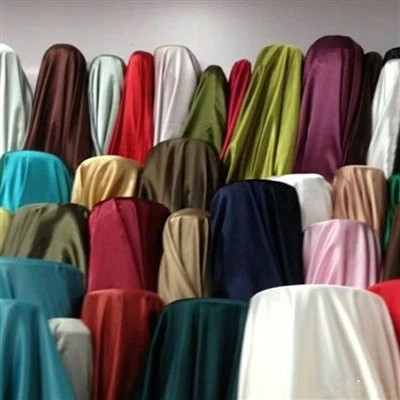
We offer a range of fabrics suitable for dyeing, including Four Way Stretch Polyester Spandex Garment Fabric. This fabric is not only stretchy and comfortable but also takes dye well, making it an excellent choice for creating unique watercolor designs.
Preparing Your Fabric
The first step in dyeing fabric is to prepare it properly. This involves washing the fabric to remove any dirt, oils, or sizing agents that may prevent the dye from adhering evenly. Use a mild detergent and avoid using fabric softeners, as they can create a barrier on the fabric surface.


Once the fabric is clean, soak it in warm water for about 30 minutes. This helps to open up the fabric fibers and allows the dye to penetrate more easily. After soaking, wring out the excess water gently, but don't let the fabric dry completely. It should be damp but not dripping wet when you start the dyeing process.
Choosing Your Dyes
For a watercolor-like effect, liquid fabric dyes are a great choice. They are easy to work with and can be diluted to create soft, blended colors. You can use a single color for a monochromatic look or mix multiple colors to create a more vibrant and complex design.
When selecting dyes, consider the colorfastness and lightfastness of the product. You want your watercolor design to last, so choose high-quality dyes that are resistant to fading and washing. We also offer Plain White Polyester Pocket Fabric and Optical White Pocket Lining Fabric, which are perfect blank canvases for your dyeing projects.
Creating the Watercolor Effect
There are several techniques you can use to create a watercolor-like effect on fabric. Here are some popular methods:
Spray Method
The spray method is one of the easiest ways to achieve a watercolor effect. You'll need a spray bottle filled with diluted fabric dye. Start by laying your damp fabric flat on a protected surface, such as a plastic sheet or a large piece of cardboard.
Hold the spray bottle about 6-8 inches away from the fabric and spray the dye in a random pattern. You can create different effects by varying the distance between the spray bottle and the fabric, as well as the amount of pressure you apply. To blend the colors, mist the fabric lightly with water after spraying the dye.
Dip and Drag Method
The dip and drag method involves dipping the fabric into a container of diluted dye and then dragging it across the surface to create a flowing, watercolor-like effect. Fill a shallow container with the dye and place your damp fabric on a flat surface.
Gently dip one end of the fabric into the dye and then drag it across the surface in a smooth, continuous motion. You can repeat this process with different colors to create a multi-colored design. To add more depth and texture, you can fold or crumple the fabric before dipping it into the dye.
Marbling Method
The marbling method is a more advanced technique that creates a unique, swirling watercolor effect. You'll need a large, shallow container filled with water and a small amount of dish soap. The dish soap helps to break the surface tension of the water and allows the dye to spread more easily.
Add a few drops of different colored fabric dyes to the surface of the water. Use a toothpick or a skewer to swirl the dyes together and create a marbled pattern. Carefully lay your damp fabric on the surface of the water, allowing the dyes to transfer onto the fabric.
Once the fabric has absorbed the dye, lift it out of the water gently and let it dry. You can repeat this process with different colors and patterns to create a more complex design.
Fixing the Dye
After you've achieved the desired watercolor effect, it's important to fix the dye to the fabric to prevent it from fading or washing out. Follow the instructions on the dye package for the specific fixing method. In most cases, you'll need to wash the fabric in hot water with a fixative or a special dye-setting agent.
Once the dye is fixed, wash the fabric separately in cold water to remove any excess dye. Hang the fabric to dry in a shaded area to avoid direct sunlight, which can cause the colors to fade.
Using Your Dyed Fabric
Once your fabric is dry and the dye is fixed, you can use it for a variety of projects. You can make clothing, accessories, home decor items, or even art pieces. The possibilities are endless!
If you're interested in purchasing high-quality fabrics for your dyeing projects, we invite you to explore our Four Way Stretch Polyester Spandex Garment Fabric, Plain White Polyester Pocket Fabric, and Optical White Pocket Lining Fabric. We're committed to providing our customers with the best products and services, and we'd love to help you bring your creative ideas to life.
Contact Us for More Information
If you have any questions about fabric dyeing or our products, please don't hesitate to contact us. We have a team of experts who are happy to assist you with your projects and provide you with the information you need. Whether you're a professional designer or a hobbyist, we're here to support you every step of the way.
References
- Fabric Dyeing Basics: A Guide to Dyeing Fabric at Home. [Publisher's Name], [Year of Publication].
- The Art of Fabric Marbling: Techniques and Inspiration. [Author's Name], [Year of Publication].
- Watercolor Fabric Dyeing: Creating Beautiful Designs with Color. [Publisher's Name], [Year of Publication].