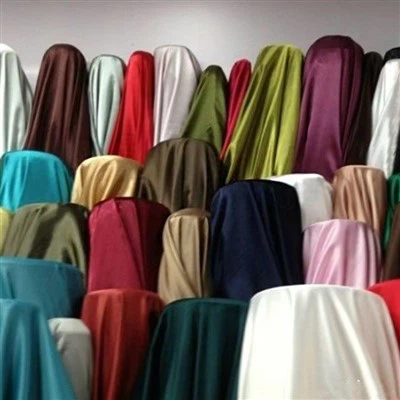
Hey there! I'm a supplier of Elastic Satin Fabric, and I've seen firsthand how important it is to store this beautiful material properly. Elastic satin fabric is a real gem in the textile world, with its smooth feel, shiny look, and stretchy quality. But if you don't store it right, you can end up with wrinkles, stains, or even damage. So, let's dive into how to keep your elastic satin fabric in tip - top shape.
1. Clean Before Storage
Before you even think about putting your elastic satin fabric away, you need to make sure it's clean. Any dirt, oil, or stains left on the fabric can set over time, making them almost impossible to remove later. You can spot - clean small stains using a mild detergent and a soft cloth. For a more thorough clean, hand - wash the fabric in lukewarm water with a gentle, pH - neutral detergent. Avoid using harsh chemicals or bleach, as they can damage the fabric's elasticity and color.
Once you've washed the fabric, rinse it thoroughly to remove all the soap. Then, gently squeeze out the excess water. Don't wring it, as this can cause wrinkles and distort the fabric's shape. Lay the fabric flat on a clean, dry towel and let it air - dry. Avoid direct sunlight, as it can fade the fabric's color.


2. Choose the Right Storage Location
The place where you store your elastic satin fabric matters a lot. You want to pick a spot that's cool, dry, and dark. Heat and humidity can cause the fabric to become moldy or mildewed, and sunlight can fade its vibrant colors.
A closet is a great option. Just make sure it's not in a part of the house that gets too hot, like near a furnace or in an attic. A basement can work too, but only if it's well - ventilated and doesn't have any moisture issues.
If you're using a storage container, opt for a plastic bin with a tight - fitting lid. This will protect the fabric from dust, insects, and other pests. Avoid using cardboard boxes, as they can attract bugs and hold moisture.
3. Fold or Roll the Fabric
When it comes to storing elastic satin fabric, how you arrange it is crucial. You can either fold or roll the fabric, and each method has its pros and cons.
Folding the fabric is a simple way to store it. Lay the fabric out flat and fold it neatly along its edges. Try to make the folds as straight and even as possible. You can use acid - free tissue paper between the folds to prevent creases from setting. However, be careful not to fold the fabric too tightly, as this can leave permanent creases.
Rolling the fabric is another great option, especially for larger pieces. Roll the fabric around a cardboard tube or a wooden dowel. This helps prevent wrinkles and makes it easier to access the fabric later. Just make sure the tube or dowel is clean and smooth to avoid scratching the fabric.
4. Protect from Pests
Pests like moths and silverfish love to nibble on fabric, and elastic satin is no exception. To keep these critters away, you can use natural pest repellents. Cedar chips or blocks are a great option. They have a strong smell that pests dislike. You can place them in your storage container or closet.
Another natural repellent is lavender. You can make sachets filled with dried lavender and place them near the fabric. Not only will it keep pests away, but it'll also give your storage area a nice, fresh scent.
If you prefer, you can also use commercial pest repellents. Just make sure they're safe for use around fabric and follow the instructions carefully.
5. Check on the Fabric Regularly
Even if you've taken all the right steps to store your elastic satin fabric, it's still a good idea to check on it every once in a while. Every few months, open up your storage container or closet and take a look at the fabric. Check for any signs of mold, mildew, pests, or damage.
If you notice any issues, take action right away. For example, if you see a small stain, spot - clean it as soon as possible. If there are signs of pests, remove the affected fabric and treat the storage area to get rid of the bugs.
Different Types of Elastic Satin Fabric
Elastic satin fabric comes in various types, each with its own unique characteristics.
Shiny Satin Fabric is known for its high - gloss finish. It's often used in formal wear, lingerie, and evening gowns. When storing shiny satin fabric, you need to be extra careful to avoid scratches and snags, as they can be very noticeable on the shiny surface.
Jacquard Satin Fabric has intricate patterns woven into it. These patterns can be easily damaged if the fabric is stored incorrectly. Make sure to fold or roll the fabric in a way that doesn't put too much pressure on the patterns.
Our Elastic Satin Fabric combines the smoothness of satin with the stretch of elastic. This makes it perfect for a wide range of applications, from dancewear to sportswear. Proper storage will help maintain its elasticity and shape over time.
Conclusion
Storing elastic satin fabric properly is not that hard, but it does require a bit of attention to detail. By cleaning the fabric before storage, choosing the right location, folding or rolling it correctly, protecting it from pests, and checking on it regularly, you can keep your elastic satin fabric looking great for years to come.
If you're in the market for high - quality elastic satin fabric, I'm here to help. Whether you're a fashion designer, a DIY enthusiast, or a business owner, I've got the perfect fabric for you. Reach out to me for more information and let's start a great partnership. We can discuss your specific needs and find the best elastic satin fabric solutions for you.
References
- Textile Storage Handbook: Best Practices for Fabrics
- Guide to Satin Fabric Care and Storage