As a satin fabric supplier, I've had the privilege of working with a wide range of satin materials over the years. I understand that for many customers, whether they're designers, manufacturers, or individuals looking for the perfect fabric for a special project, determining the quality of satin fabric can be a daunting task. In this blog post, I'll share some insights and tips on how to tell if satin fabric is of good quality.
1. Look at the Weave Structure
The weave of a satin fabric is one of the most important factors in determining its quality. Satin is characterized by a smooth, lustrous surface created by a specific weaving technique. A high - quality satin fabric typically has a tight and even weave.
When you examine the fabric closely, you should not be able to see any large gaps or irregularities in the weave. The threads should be well - aligned, and the surface should feel uniform to the touch. If you notice loose threads, uneven spacing between the weft and warp threads, or a rough texture, it may indicate a lower - quality satin.
For example, a well - woven silk satin will have a fine and consistent weave that gives it a luxurious drape. On the other hand, a poorly woven satin may look and feel cheap, with a tendency to snag or fray easily.
2. Evaluate the Luster
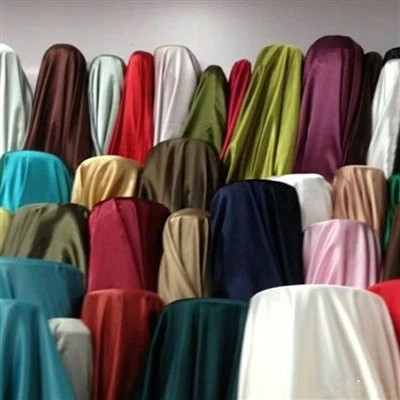
One of the most distinctive features of satin fabric is its luster. A high - quality satin has a rich, deep, and even sheen that catches the light beautifully. The luster should be visible from different angles, and it should not appear dull or uneven.
Silk satin, in particular, is known for its natural and elegant luster. The protein fibers in silk reflect light in a way that gives it a soft, iridescent glow. Synthetic satins, such as 100% Polyester Silk Satin Dress Fabric, can also achieve a good luster, but it may have a slightly different appearance. A good quality synthetic satin will have a bright, consistent sheen that mimics the look of silk.
If the luster of the satin appears faded, patchy, or overly shiny in a way that looks artificial, it could be a sign of a lower - quality fabric. This could be due to poor dyeing processes or the use of low - grade materials.
3. Check the Colorfastness
Colorfastness refers to the ability of a fabric to retain its color when exposed to various factors such as washing, sunlight, and friction. A high - quality satin fabric should have good colorfastness.
To test the colorfastness, you can perform a simple rubbing test. Take a white cloth and rub it gently on a small, inconspicuous area of the satin. If the color transfers onto the white cloth, it indicates poor colorfastness. Similarly, if the fabric is prone to fading after a few washes or when exposed to sunlight, it is not a high - quality satin.
Good quality satins are usually dyed using high - quality dyes and undergo proper finishing processes to ensure long - lasting color. This is especially important for satin fabrics that will be used in clothing or home decor items that will be washed regularly or exposed to light.
4. Assess the Softness and Hand Feel
The softness and hand feel of a satin fabric are also important indicators of its quality. A high - quality satin should feel smooth, soft, and luxurious to the touch. It should not feel rough, scratchy, or stiff.
Silk satins are typically very soft and have a delicate, smooth texture. Synthetic satins can also be made to feel soft, but the quality can vary. A good synthetic satin will have a similar softness to silk, without the stiffness that can sometimes be associated with lower - grade synthetics.
You can judge the hand feel by running your fingers over the fabric. Pay attention to how it moves and drapes. A high - quality satin will have a fluid and graceful drape, while a lower - quality one may feel heavy or lack the ability to fall elegantly.
5. Examine the Durability
Durability is a key factor when it comes to satin fabric, especially if it will be used in high - wear applications. A good quality satin should be able to withstand normal wear and tear without easily tearing, pilling, or losing its shape.
Check the edges of the fabric for signs of fraying. A well - made satin will have clean, finished edges that do not fray easily. You can also gently tug on the fabric to see how it responds. A high - quality satin should have some stretch and elasticity, but it should not tear or stretch out of shape easily.


For example, Silk Satin Fabric Stretch is designed to have a certain amount of stretch, which can add to its durability and comfort. If a satin fabric feels brittle or breaks easily when stretched, it is likely of lower quality.
6. Consider the Origin and Manufacturer
The origin and the manufacturer of the satin fabric can also give you clues about its quality. Satin fabrics from reputable manufacturers and regions known for their textile production are often of higher quality.
For instance, some countries have a long - standing tradition of producing high - quality silk satins. These manufacturers have developed expertise in the cultivation of silk, the weaving process, and the finishing techniques. They are more likely to use high - quality materials and follow strict quality control standards.
When choosing a satin fabric, look for information about the manufacturer and where the fabric was produced. This can help you make an informed decision about the quality of the product.
7. Look at the Finishing Details
The finishing details of a satin fabric can also make a big difference in its quality. High - quality satins often have well - finished edges, such as serged or hemmed edges. This not only gives the fabric a more professional look but also prevents fraying.
The fabric may also have additional finishing touches such as anti - static treatment, water - repellent coating, or a softening finish. These treatments can enhance the performance and durability of the satin.
For example, American Satin may come with specific finishing details that make it suitable for different applications. A well - finished satin will have a more refined appearance and better functionality.
Conclusion
Determining the quality of satin fabric requires a combination of visual inspection, tactile evaluation, and knowledge of the fabric's properties. By looking at the weave structure, luster, colorfastness, softness, durability, origin, and finishing details, you can make a more informed decision when purchasing satin fabric.
As a satin fabric supplier, I am committed to providing high - quality satin fabrics that meet the needs of our customers. Whether you're a designer looking for the perfect fabric for your next collection or an individual in search of a beautiful satin for a special project, we have a wide range of options to choose from.
If you're interested in learning more about our satin fabrics or would like to discuss your specific requirements, please feel free to contact us. We're here to assist you in finding the right satin fabric for your needs and to ensure a smooth purchasing process.
References
- Textile Institute. Handbook of Textile Fibre Structure. Woodhead Publishing, 2011.
- Horrocks, A. R., & Anand, S. C. Handbook of Technical Textiles. Woodhead Publishing, 2000.