As a supplier of Abaya fabric, I've often been asked about its role in traditional festivals. Abaya, a long, loose-fitting robe typically worn by women in some parts of the Middle East, is not only a symbol of cultural identity but also holds a significant place in various traditional celebrations. In this blog, we'll explore whether Abaya fabric is used in traditional festivals and how it adds a unique touch to these special occasions.
The Cultural Significance of Abaya
Before delving into its use in festivals, it's essential to understand the cultural significance of Abaya. Abaya is more than just a piece of clothing; it represents modesty, tradition, and cultural heritage. In many Middle Eastern countries, women wear Abaya as a daily attire, and it is often associated with Islamic teachings that emphasize modesty in dress. The fabric used for Abaya is carefully selected to ensure comfort, durability, and a modest appearance.
Abaya Fabric in Traditional Festivals
Traditional festivals are an integral part of Middle Eastern culture, and Abaya fabric plays a crucial role in these celebrations. One of the most significant festivals in the Islamic calendar is Eid al-Fitr, which marks the end of Ramadan, the month of fasting. During Eid, families come together to celebrate, exchange gifts, and attend special prayers at the mosque. Women often wear new Abayas made from high-quality fabrics to look their best during this joyous occasion.
The choice of Abaya fabric for Eid and other festivals is often influenced by the season and personal preferences. In the summer months, lightweight and breathable fabrics such as cotton and linen are popular choices, while in the winter, heavier fabrics like wool and polyester blends are preferred. The fabric is usually dyed in bright and festive colors to reflect the joy and celebration of the occasion.
Another important festival in the Middle East is Eid al-Adha, also known as the Festival of Sacrifice. This festival commemorates the willingness of Prophet Ibrahim (Abraham) to sacrifice his son as an act of obedience to God. Similar to Eid al-Fitr, women wear new Abayas during Eid al-Adha, and the fabric is often decorated with intricate embroidery and embellishments to add a touch of elegance and glamour.
In addition to religious festivals, Abaya fabric is also used in cultural festivals and weddings. Weddings in the Middle East are elaborate affairs that involve multiple ceremonies and celebrations. The bride and her female guests often wear Abayas made from luxurious fabrics such as silk and satin, which are adorned with gold and silver thread, beads, and sequins. These Abayas are not only a symbol of beauty and elegance but also represent the wealth and status of the family.
The Role of Abaya Fabric Suppliers
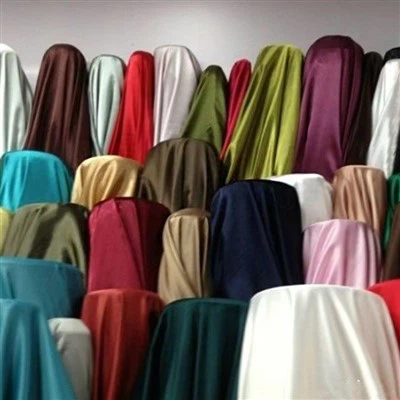
As an Abaya fabric supplier, I understand the importance of providing high-quality fabrics that meet the needs and preferences of our customers. We offer a wide range of Abaya fabrics, including Four Way Stretch Polyester Spandex Garment Fabric, Plain Dyed Pongee Pocket Fabric, and Polyester Microfiber Fabric Dye Fabric. Our fabrics are sourced from the best manufacturers around the world and are carefully selected for their quality, durability, and aesthetic appeal.
We also work closely with our customers to understand their specific requirements and provide customized solutions. Whether it's a small order for a single Abaya or a large order for a clothing manufacturer, we are committed to delivering the best products and services at competitive prices. Our team of experts is always available to provide advice and guidance on fabric selection, dyeing, and printing, ensuring that our customers get the perfect fabric for their needs.
The Future of Abaya Fabric in Traditional Festivals
As the world becomes more interconnected, the demand for Abaya fabric is expected to grow. With the increasing popularity of Middle Eastern culture and fashion, more and more people around the world are showing interest in Abayas and the fabrics used to make them. This presents a significant opportunity for Abaya fabric suppliers to expand their business and reach new markets.
In addition, advancements in technology and manufacturing processes are making it easier and more cost-effective to produce high-quality Abaya fabrics. New fabrics are being developed that are more comfortable, breathable, and sustainable, while also offering a wider range of colors and patterns. These innovations are likely to further enhance the appeal of Abaya fabric in traditional festivals and other cultural events.
Conclusion
In conclusion, Abaya fabric is an essential part of Middle Eastern culture and plays a significant role in traditional festivals. Whether it's Eid al-Fitr, Eid al-Adha, weddings, or other cultural celebrations, Abaya fabric adds a touch of elegance, beauty, and tradition to these special occasions. As an Abaya fabric supplier, I am proud to be a part of this rich cultural heritage and to provide high-quality fabrics that meet the needs and preferences of our customers.


If you are interested in purchasing Abaya fabric for your next project or festival, please feel free to contact us. We would be happy to discuss your requirements and provide you with a quote. Let's work together to create beautiful and memorable Abayas that will be cherished for years to come.
References
- "Eid al-Fitr: The Festival of Breaking the Fast." Islamic Relief USA.
- "Eid al-Adha: The Festival of Sacrifice." Islamic Relief USA.