Hey there! As a supplier of American Satin, I often get asked a bunch of questions about this amazing fabric. One of the most common queries I hear is, "Is American Satin resistant to mildew?" Well, let's dive right into it and find out.
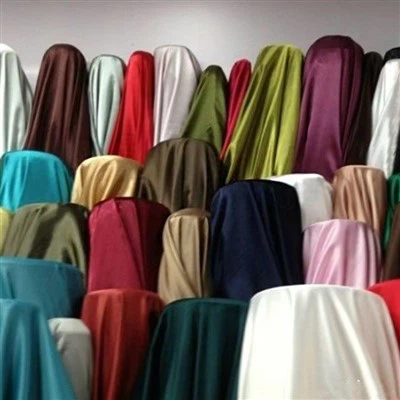
First off, let's talk a bit about what American Satin is. It's a high - quality fabric known for its smooth, shiny surface and luxurious feel. It's used in a wide range of applications, from clothing like evening gowns and lingerie to home decor items such as curtains and pillowcases. There are also different types of satin fabrics available on our website, like the Imitation Acetate Satin Fabric, Jacquard Satin Fabric, and Elastic Satin Fabric. Each type has its own unique features and uses.
Now, back to the mildew question. Mildew is a type of fungus that loves to grow in damp, warm, and dark environments. It can cause a lot of problems for fabrics, like discoloration, bad odors, and even weakening of the fabric fibers over time. So, is American Satin resistant to this pesky fungus?
The short answer is, it depends. American Satin can be made from different materials, and the mildew resistance varies based on these materials.
Natural Fiber American Satin
If the American Satin is made from natural fibers like silk, it's not inherently mildew - resistant. Silk is a protein - based fiber, and it provides a great environment for mildew to grow. Silk absorbs moisture easily, and when it stays damp for too long, mildew can start to form. For example, if you live in a humid area and you leave a silk American Satin curtain in a dark, poorly - ventilated corner, chances are you'll start to see some mildew spots after a while.
To prevent mildew on natural fiber American Satin, you need to be extra careful. Make sure to keep the fabric dry. If it gets wet, dry it as soon as possible. Also, proper storage is key. Store silk American Satin items in a cool, dry place with good air circulation. You can even use silica gel packets in the storage area to absorb any excess moisture.
Synthetic Fiber American Satin
On the other hand, American Satin made from synthetic fibers like polyester is generally more resistant to mildew. Polyester doesn't absorb moisture as easily as natural fibers. It has a hydrophobic nature, which means it repels water. So, it's less likely for moisture to stay on the fabric long enough for mildew to grow.
However, this doesn't mean that synthetic American Satin is completely immune to mildew. If the fabric is constantly exposed to extremely high humidity and there's no air movement, mildew can still find a way to grow. For instance, if you have a polyester American Satin tablecloth that's left in a hot, steamy kitchen with no ventilation for a long time, mildew might start to appear.
To maintain the mildew - resistant properties of synthetic American Satin, it's still important to keep it clean and dry. Regularly washing the fabric according to the care instructions can help remove any dirt or debris that might attract mildew. Also, make sure the area where the fabric is used has proper ventilation.
Treatment for Mildew Resistance
Some American Satin fabrics are treated with special chemicals to enhance their mildew resistance. These treatments create a protective barrier on the fabric surface that makes it harder for mildew to grow. When you're buying American Satin, you can ask if the fabric has been treated for mildew resistance. This can be a great option, especially if you're planning to use the fabric in a high - humidity environment.
But be aware that these treatments might wear off over time, especially with frequent washing. So, you still need to take proper care of the fabric to keep it mildew - free.


How to Deal with Mildew on American Satin
If you do find mildew on your American Satin fabric, don't panic. For natural fiber satin, you can try a gentle cleaning method. First, mix a small amount of mild detergent with water. Gently dab the mildew - affected area with a soft cloth dipped in the soapy water. Then, rinse the area thoroughly with clean water and pat it dry. Avoid rubbing too hard, as this can damage the delicate silk fibers.
For synthetic fiber American Satin, you can usually wash it in the washing machine on a gentle cycle with a mildew - removing detergent. Make sure to follow the care label instructions to avoid any damage to the fabric.
Conclusion
In conclusion, American Satin's resistance to mildew depends on its material and whether it has been treated. Natural fiber American Satin is more prone to mildew, while synthetic fiber satin is generally more resistant. By taking proper care of the fabric, such as keeping it dry, clean, and in a well - ventilated area, you can significantly reduce the risk of mildew growth.
If you're interested in purchasing American Satin for your projects, whether it's for clothing, home decor, or something else, I'd love to talk to you. We have a wide selection of high - quality American Satin fabrics, and we can help you choose the right one based on your needs. Feel free to reach out to discuss your requirements and start a great business partnership.
References
- Textile Science textbooks
- Industry research on fabric properties
- Manufacturer's guidelines on American Satin care