Bridal satin is a fabric that has long been associated with elegance, luxury, and the grandeur of weddings. It's the go - to choice for many brides when they envision their perfect wedding gown. However, one question that often arises among those considering bridal satin is, "Is bridal satin breathable?" As a bridal satin supplier, I'm here to delve into this topic and provide you with all the information you need.
Understanding Bridal Satin
Before we discuss breathability, it's important to understand what bridal satin is. Satin is a weave, not a fiber. It is characterized by a smooth, lustrous surface on one side and a duller surface on the other. Bridal satin can be made from various fibers, including silk, polyester, and blends. Each type of fiber brings its own set of characteristics to the fabric.
Silk satin is the most luxurious option. It has a natural sheen that is unparalleled, and it drapes beautifully. Silk is a natural protein fiber, which means it has some inherent properties that make it relatively breathable. It can absorb moisture and release it slowly, helping to keep the wearer comfortable.
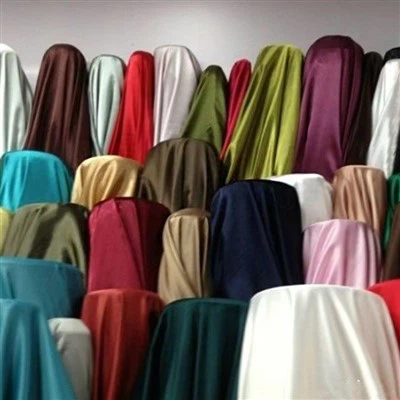
Polyester satin, on the other hand, is a synthetic alternative. It is more affordable than silk satin and is often more durable. Polyester satin is known for its smooth texture and high - shine finish. There are different types of polyester satin fabrics available, such as Polyester Satin Fabrics. It also comes in variations like Jacquard Satin Fabric, which has a raised pattern, and American Satin, which is a popular choice for bridal wear due to its softness and drape.
Factors Affecting Breathability
Breathability in a fabric refers to its ability to allow air to circulate and moisture to escape. Several factors determine whether bridal satin is breathable or not.


Fiber Type
As mentioned earlier, the fiber used to make the satin plays a crucial role. Silk satin is generally more breathable than polyester satin. Silk has tiny pores in its structure that allow air to pass through and moisture to be absorbed. It can absorb up to 30% of its weight in moisture without feeling wet. This means that when you wear a silk bridal satin gown, your body can release sweat, and the fabric will help keep you dry and comfortable.
Polyester, being a synthetic fiber, has a more compact molecular structure. It doesn't absorb moisture as well as silk. Instead, it tends to trap sweat against the skin, which can make the wearer feel hot and sticky. However, advancements in textile technology have led to the development of moisture - wicking polyester satins that are designed to improve breathability. These fabrics have special treatments or finishes that help draw moisture away from the body.
Weave Density
The density of the satin weave also affects breathability. A tightly woven satin will have less air circulation compared to a more loosely woven one. In a tightly woven satin, the fibers are packed closely together, leaving fewer spaces for air to pass through. This can make the fabric feel less breathable, regardless of the fiber type.
Fabric Thickness
Thicker satin fabrics are generally less breathable than thinner ones. A thick bridal satin gown may provide more warmth and structure, but it can also trap heat and moisture. If you're getting married in a warm climate or during a hot season, a thinner satin fabric might be a better choice to ensure comfort.
Real - World Considerations
When it comes to bridal wear, breathability is not the only factor to consider. The overall look, feel, and style of the gown are also important. A bride wants to look and feel like a million dollars on her wedding day, and bridal satin offers a level of elegance that is hard to beat.
If you're concerned about breathability but still want the look of satin, there are a few things you can do. You can choose a silk satin gown or a moisture - wicking polyester satin. You can also look for gowns with strategic cutouts or mesh panels in areas where you tend to sweat the most, such as under the arms or on the back. These features can help improve air circulation and keep you cool.
Another option is to layer your satin gown with a breathable undergarment. A silk or cotton slip can act as a barrier between your skin and the satin, absorbing moisture and providing an extra layer of comfort.
The Supplier's Perspective
As a bridal satin supplier, I understand the importance of providing high - quality fabrics that meet the needs of our customers. We offer a wide range of satin fabrics, from luxurious silk satins to affordable polyester satins. Our team is knowledgeable about the properties of each fabric and can help you choose the right one based on your specific requirements.
We also stay up - to - date with the latest trends and technologies in the textile industry. This allows us to offer innovative solutions for breathability, such as moisture - wicking polyester satins. We work closely with our manufacturers to ensure that our fabrics are not only beautiful but also comfortable to wear.
Conclusion
So, is bridal satin breathable? The answer is that it depends. Silk satin is generally more breathable than polyester satin, but factors such as weave density and fabric thickness also play a role. With advancements in textile technology, there are now more options available for brides who want the look of satin without sacrificing comfort.
If you're in the market for bridal satin, I encourage you to reach out to us. We can provide you with samples of our fabrics so that you can feel the difference for yourself. Whether you're looking for a classic silk satin gown or a modern polyester satin with special features, we have the perfect fabric for your big day. Contact us to start the conversation about your bridal satin needs and let's work together to create the gown of your dreams.
References
- Textile Institute. (2023). Handbook of Textile Fibres. Woodhead Publishing.
- Horrocks, A. R., & Anand, S. C. (Eds.). (2019). Handbook of Technical Textiles. Woodhead Publishing.