Is Polyester Pongee Fabric hypoallergenic?
Hey there! I'm a supplier of Polyester Pongee Fabric, and I often get asked if this fabric is hypoallergenic. So, I thought I'd dive into this topic and share some insights with you all.
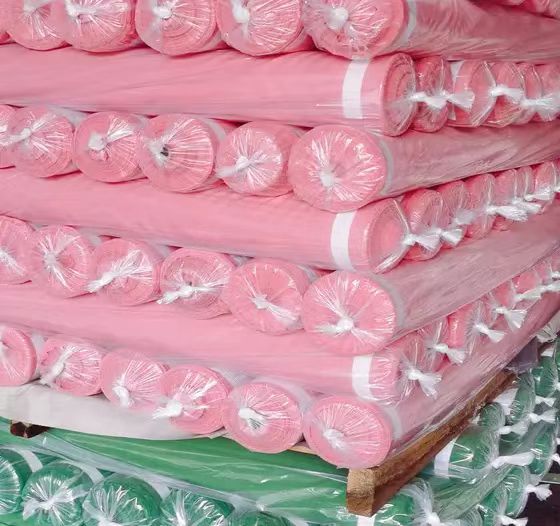

First off, let's understand what Polyester Pongee Fabric is. Polyester Pongee is a lightweight, smooth, and durable fabric. It's made from polyester fibers, which are synthetic. These fibers are man - made through a chemical process, and they have a lot of advantages. For one, they're very strong and resistant to stretching and shrinking. This makes the fabric long - lasting, and it can withstand regular wear and tear.
Now, let's talk about the big question: is it hypoallergenic? Hypoallergenic means that a product is less likely to cause an allergic reaction. When it comes to Polyester Pongee Fabric, in general, it has a good chance of being hypoallergenic.
One of the reasons is that polyester is a synthetic material. Unlike natural fibers like wool or cotton, it doesn't have the same potential to carry allergens. Wool, for example, can have lanolin, a natural oil that can cause allergic reactions in some people. And cotton can sometimes be treated with pesticides during the growing process, which might also trigger allergies. Polyester, on the other hand, is produced in a controlled environment, and it doesn't have these natural substances that could cause problems.
Another factor is that Polyester Pongee Fabric is smooth. Its smooth surface doesn't trap dust, pollen, or other common allergens as easily as some other fabrics. Dust mites, which are a major cause of allergies for many people, find it harder to stick to the smooth polyester fibers. This means that there's less of a chance for an allergic reaction due to these environmental allergens.
However, it's not a one - size - fits - all situation. Some people might still be allergic to polyester itself. Although it's rare, there are individuals who have a sensitivity to the chemicals used in the manufacturing of polyester. Also, if the Polyester Pongee Fabric is treated with dyes or finishes, these additives could potentially cause an allergic reaction. For example, some cheap dyes might contain heavy metals or other harsh chemicals that can irritate the skin.
Now, let's compare Polyester Pongee Fabric with some other polyester - based fabrics. We have the Four Way Stretch Polyester Spandex Fabric. This fabric has spandex added to it, which gives it stretch. The addition of spandex can change the feel and properties of the fabric. In terms of allergenicity, the spandex component might be a concern for some people with latex allergies, as spandex is a type of elastane and can have similar allergenic potential in some cases.
Then there's the Polyester Taffeta Fabric. Polyester Taffeta is a bit stiffer and has a more crisp feel compared to Polyester Pongee. It's often used in formal wear. Like Polyester Pongee, it's generally made from polyester, so it has similar hypoallergenic potential. But again, any dyes or finishes used on it can affect its allergenicity.
The Plain Dyed Polyester Fabric is another option. As the name suggests, it's a simple, dyed polyester fabric. The dyeing process can be a factor in its allergenicity. If high - quality, non - allergenic dyes are used, it can be a great hypoallergenic choice. But low - quality dyes can be a problem.
So, what can you do if you're considering using Polyester Pongee Fabric and you're worried about allergies? First, if you have a history of allergies, it's a good idea to test a small piece of the fabric on your skin. Just place a small swatch on your inner wrist for a day or two and see if there's any reaction.
Also, when you're buying Polyester Pongee Fabric, make sure to ask about the dyes and finishes used. A reputable supplier should be able to provide you with information about the chemicals used in the manufacturing process. If possible, choose fabrics that are dyed with natural or low - allergen dyes.
In conclusion, Polyester Pongee Fabric has a good chance of being hypoallergenic. Its synthetic nature and smooth surface give it an edge over some natural fibers when it comes to allergenicity. But it's important to be aware of the potential for allergic reactions due to dyes and finishes.
If you're in the market for high - quality Polyester Pongee Fabric or any of the other polyester - based fabrics I mentioned, I'd love to have a chat with you. Whether you're a clothing manufacturer, a crafter, or just someone looking for a good fabric for a project, I can provide you with the best products and advice. Don't hesitate to reach out and start a conversation about your fabric needs.
References
- Textile Research Journal: Studies on synthetic fiber allergenicity
- Journal of Allergy and Clinical Immunology: Allergic reactions to textile dyes and finishes