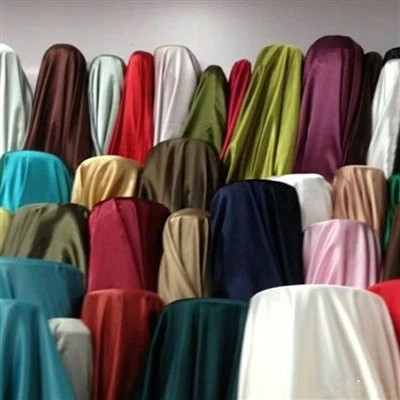
When it comes to the world of fabrics, satin has long been celebrated for its luxurious sheen, smooth texture, and elegant drape. As a satin fabric supplier, I often encounter questions from customers regarding the stretchability of satin fabric. In this blog post, we'll explore the stretch characteristics of satin, the factors that influence its stretch, and how different types of satin fabrics vary in this regard.
Understanding Satin Fabric
Satin is not a fiber but a weave structure. The satin weave is characterized by a surface with long floats of yarn, which gives it that distinctive lustrous appearance. Historically, satin was made from silk, but today, it can be crafted from a variety of fibers including polyester, nylon, acetate, and blends. Each fiber type imparts different properties to the satin fabric, including stretchability.
Factors Affecting Satin Stretch
Fiber Composition
The type of fiber used in the satin fabric plays a significant role in determining its stretch. - Silk Satin: Traditional silk satin is made from natural silk fibers. Silk itself has a certain degree of elasticity, but silk satin typically has limited stretch. It can stretch slightly due to the inherent flexibility of the silk fibers, but it is not known for high stretchability. This makes silk satin ideal for garments where a more structured and less stretchy fabric is desired, such as formal evening gowns or lingerie. - Polyester Satin: Polyester is a synthetic fiber commonly used in satin production. Polyester satin can vary in stretchability. Some polyester satins are tightly woven and have little to no stretch, while others may be blended with stretch fibers like spandex to increase their elasticity. Polyester satins are often more affordable and durable than silk satins, making them a popular choice for a wide range of applications, from fashion to home decor. - Nylon Satin: Nylon is another synthetic fiber that can be used to make satin. Nylon satin tends to be more stretchy than polyester satin. It has excellent strength and abrasion resistance, and its stretch properties make it suitable for activewear, swimwear, and sporty fashion items. - Acetate Satin and Imitation Acetate Satin: Acetate is a semi - synthetic fiber. Acetate satin has a smooth and luxurious feel. Imitation Acetate Satin Fabric is a more affordable alternative. These satins usually have a limited amount of stretch, similar to silk satin, but can vary depending on the specific manufacturing process and any blending with other fibers.
Weave and Construction
The way the satin fabric is woven also affects its stretch. A looser weave generally allows for more stretch compared to a tightly woven fabric. For example, a satin fabric with a wider spacing between the warp and weft threads will have more room to stretch. Additionally, the direction of the stretch can be influenced by the weave. In some cases, satin may stretch more easily in one direction (usually the bias) than in the other.
Blending with Stretch Fibers
As mentioned earlier, blending satin with stretch fibers like spandex or elastane can significantly increase its stretchability. Even a small percentage of spandex in a satin blend can make the fabric more elastic, allowing it to conform to the body's movements. This is particularly useful in applications where flexibility and comfort are important, such as in form - fitting dresses or activewear.
Stretch Characteristics of Different Satin Types
Jacquard Satin Fabric
Jacquard Satin Fabric is known for its intricate patterns created through a special weaving technique. The stretchability of jacquard satin depends on its fiber composition. If it is made from silk or a tightly woven polyester, it may have limited stretch. However, if it is blended with spandex, it can have a good amount of stretch while still maintaining its beautiful pattern. Jacquard satin is often used in high - end fashion, home furnishings, and upholstery.
American Satin
American Satin is a type of polyester satin that is popular in the fashion industry. It typically has a smooth finish and a moderate amount of drape. American satin can vary in stretchability. Some versions are designed to be more structured and have little stretch, while others may be blended to offer more flexibility. It is commonly used for making dresses, blouses, and linings.

Applications Based on Stretch
The stretchability of satin fabric determines its suitability for different applications. - Non - Stretch Satin: Non - stretch satins are ideal for formal wear, such as evening dresses, wedding gowns, and ballroom costumes. Their structured nature helps the garments hold their shape and gives them an elegant silhouette. They are also commonly used for home decor items like curtains, tablecloths, and bedding, where a more rigid fabric is desired. - Stretch Satin: Stretch satins are perfect for activewear, sportswear, and form - fitting clothing. They allow for a full range of motion without restricting the wearer. Stretch satins are also used in lingerie and sleepwear for added comfort.

Determining the Stretch of Satin
If you're unsure about the stretch of a particular satin fabric, there are a few simple tests you can perform. - Visual Inspection: Look at the fabric closely. If you can see that the weave is loose or that there are stretch fibers blended in, it is likely to have some stretch. - Stretch Test: Gently pull the fabric in different directions (lengthwise, widthwise, and on the bias). Observe how much it stretches and whether it returns to its original shape after releasing. A fabric that stretches easily and bounces back well has good stretch properties.

Conclusion
In conclusion, the stretchability of satin fabric varies widely depending on factors such as fiber composition, weave, and blending with stretch fibers. As a satin fabric supplier, I understand the importance of providing customers with the right information to make informed decisions. Whether you need a non - stretch satin for a formal occasion or a stretch satin for activewear, we have a wide range of options to meet your needs.
If you're interested in purchasing satin fabric for your next project, whether it's a fashion design, home decor, or any other application, we'd love to hear from you. Our team of experts can assist you in selecting the perfect satin fabric based on your requirements. Contact us to start a procurement discussion and let us help you bring your creative ideas to life.
References
- Textile Institute. (2023). Handbook of Textile Fibres. Woodhead Publishing.
- Vigo, T. L. (2022). Textile Processing and Properties: Preparation, Dyeing, Printing, and Finishing. Elsevier.