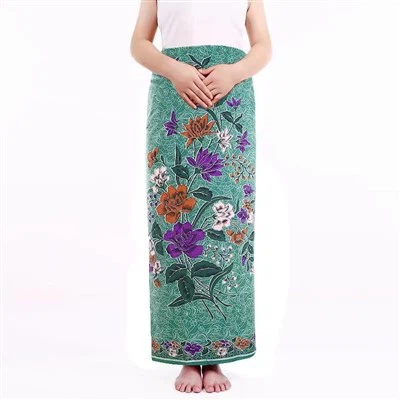
When it comes to beachwear and versatile pieces of clothing, sarongs stand out as a popular choice around the world. They are not only stylish but also highly functional, offering a range of uses from a beach cover - up to a dress or a scarf. In the market, there are two main types of sarongs: sewed sarongs and wrapped sarongs. As a sewed sarong supplier, I am well - versed in the nuances between these two types, and in this blog, I will delve into the differences to help you make an informed choice.


1. Construction and Design
Sewed Sarongs
Sewed sarongs are precisely what their name implies. They are created by sewing fabric pieces together. This construction method allows for more complex and intricate designs. For instance, sewed sarongs can have pre - made hems, which not only give them a polished look but also prevent fraying. The seams can be used strategically to add shape to the sarong. Some sewed sarongs are designed with built - in pockets, which is a practical addition for carrying small items like keys or a phone while at the beach.
The sewing process also enables the incorporation of different fabric textures and patterns in a more structured way. A sewed sarong might combine a smooth Microfiber Bedding Fabric with a printed section, creating a visually appealing contrast. Additionally, sewed sarongs can be made in specific sizes and shapes, such as a rectangle or a circle, to suit different styling needs.
Wrapped Sarongs
Wrapped sarongs, on the other hand, are typically single pieces of fabric without any seams (except for perhaps a simple hem). They rely on the user to wrap and tie the fabric around their body to create different looks. The simplicity of their construction gives them a more natural and free - flowing appearance. Wrapped sarongs are often larger in size to allow for multiple ways of wrapping. They can be wrapped around the waist as a skirt, over the shoulders as a shawl, or even used as a hammock in some cases.
The lack of seams means that wrapped sarongs have a seamless look when worn, which can be very flattering. They offer a more customizable fit as the user can adjust the tightness and style of the wrap according to their preference. However, without the structure provided by seams, wrapped sarongs may be more likely to come loose if not tied properly.
2. Material and Durability
Sewed Sarongs
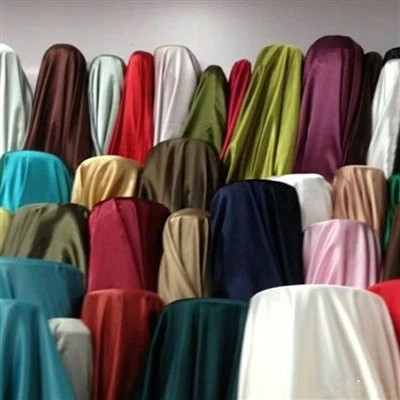
As a sewed sarong supplier, I understand the importance of using high - quality materials. Sewed sarongs can be made from a wide variety of fabrics, including cotton, silk, and polyester microfiber. Print Microfiber Sarong Fabric is a popular choice due to its softness, durability, and ability to hold vibrant prints. Microfiber is also quick - drying, making it ideal for beach use.
The sewing process reinforces the fabric, especially at the seams. This means that sewed sarongs are generally more durable and less likely to tear or fray compared to wrapped sarongs. The seams act as a barrier, preventing the fabric from unraveling. However, the quality of the sewing is crucial. A poorly sewn sarong may have loose threads or weak seams that can break over time.
Wrapped Sarongs
Wrapped sarongs are usually made from lightweight and breathable fabrics. Cotton is a common choice as it is soft against the skin and allows air to circulate, keeping the wearer cool. Silk is another option for a more luxurious feel. The durability of wrapped sarongs depends mainly on the quality of the fabric. Since they have fewer seams, there are fewer points of potential weakness. However, the edges of the fabric may be more prone to fraying if not properly hemmed.
The large size of wrapped sarongs means that they may experience more wear and tear during use, especially if they are frequently wrapped and unwrapped. But overall, a high - quality wrapped sarong made from a durable fabric can last for a long time.
3. Ease of Use and Styling
Sewed Sarongs
Sewed sarongs are relatively easy to use. Since they have a more defined shape, they often require less effort to style. For example, a sewed sarong designed as a dress may only need to be slipped on. Some sewed sarongs come with instructions on how to wear them in different ways, which can be helpful for those who are new to sarongs.
They also offer a more consistent look. Once you find the right way to wear a sewed sarong, you can expect it to look the same every time. However, the pre - determined shape of sewed sarongs may limit the number of styling options compared to wrapped sarongs. You may be restricted to the styles that the designer intended.
Wrapped Sarongs
Wrapped sarongs are all about versatility. They can be styled in countless ways, limited only by your imagination. You can create a simple skirt, a halter - top dress, a turban, or a headscarf with a single wrapped sarong. This makes them a great choice for those who like to experiment with different looks.
However, learning how to wrap a sarong can take some practice. There are many different wrapping techniques, and it may take a few tries to get the hang of them. Additionally, wrapped sarongs may require more adjustments throughout the day to keep them in place.
4. Cost
Sewed Sarongs
The cost of sewed sarongs can vary depending on several factors. The materials used, the complexity of the design, and the quality of the sewing all play a role. A sewed sarong made from high - end materials like silk or a designer - printed Disperse Printed Twill Microfiber Curtain Fabric will be more expensive. The additional labor involved in sewing and creating intricate designs also adds to the cost.
On the other hand, sewed sarongs from mass - produced brands may be more affordable. These are often made from less expensive materials and have simpler designs. Overall, sewed sarongs tend to be priced higher than wrapped sarongs, especially if they are of high quality.
Wrapped Sarongs
Wrapped sarongs are generally more budget - friendly. Since they have a simpler construction, they require less labor to produce. The materials used are also often more affordable. However, there are also high - end wrapped sarongs made from premium fabrics like silk or hand - printed cotton that can be quite expensive. But in general, if you are looking for an inexpensive and versatile piece of beachwear, a wrapped sarong is a good option.
Conclusion
In conclusion, both sewed sarongs and wrapped sarongs have their own unique features and advantages. Sewed sarongs offer a more structured and consistent look, are easier to use, and are generally more durable. They are a great choice for those who prefer a hassle - free experience and a pre - designed style. On the other hand, wrapped sarongs are all about versatility and creativity. They allow for endless styling options and are often more affordable.
As a sewed sarong supplier, I offer a wide range of high - quality sewed sarongs made from the finest materials. Our sarongs are carefully crafted with attention to detail to ensure both durability and style. If you are interested in purchasing sewed sarongs for your retail business or personal use, I invite you to contact me for more information and to discuss your specific requirements. Whether you are looking for a simple beach cover - up or a statement piece, we have the perfect sewed sarong for you.
References
- Beachwear Fashion Guides
- Interviews with Textile Experts
- Industry Reports on Sarong Production and Sales