Hey there! As a dyed fabric supplier, I've been dealing with all sorts of dyes and fabrics for ages. One question that often pops up is, "What are the differences between powder and liquid dyes for fabric?" Well, let's dive right in and explore this topic.
1. Physical Properties
First off, let's talk about the obvious difference - their physical state. Powder dyes come in a dry, granular form. They're like little tiny particles that need to be dissolved before you can use them. On the other hand, liquid dyes are already in a ready - to - use solution.
The powder dyes are super convenient for storage. They don't take up much space, and you can keep them in a cool, dry place for a long time without worrying about them spoiling. You can buy them in large quantities and use them as needed. But here's the catch - dissolving them can be a bit of a hassle. You need to make sure they're completely dissolved in water; otherwise, you might end up with uneven color on your fabric.
Liquid dyes, however, are a breeze to use. You just pour them into the dye bath, and you're good to go. They mix easily with water, and you don't have to worry about clumps. But they do take up more space for storage, and they might have a shorter shelf - life compared to powder dyes.
2. Color Intensity and Consistency
When it comes to color intensity, powder dyes usually win. Since they're more concentrated in their dry form, you can achieve really deep, vibrant colors with them. They're great for fabrics that need a bold statement, like the Embossed Plain Dyed Bedsheet Fabric. You can control the color intensity by adjusting the amount of powder you use in the dye bath.
Liquid dyes, while they can also give good color, might not be as intense as powder dyes. But they offer better color consistency. Because they're already in a solution, the color is more evenly distributed in the dye bath, which means you're less likely to get color variations on your fabric. This is especially important for fabrics like the Four Way Stretch Polyester Spandex Fabric, where a consistent color is crucial for a professional look.
3. Application Process
The application process for powder and liquid dyes is also quite different.
For powder dyes, you first need to dissolve them in hot water. You have to stir and stir until all the granules are gone. Then you add more water to reach the desired volume for your dye bath. You also need to be careful with the temperature of the water; different fabrics require different dyeing temperatures. After the fabric is in the dye bath, you need to keep stirring it to ensure even color absorption.
Liquid dyes are much simpler. You just add them to the water at the right temperature, and you can immediately immerse the fabric. There's no need for pre - dissolving, which saves a lot of time. This makes them a great choice for small - scale or quick dyeing projects.
4. Compatibility with Fabrics
Different fabrics react differently to powder and liquid dyes.
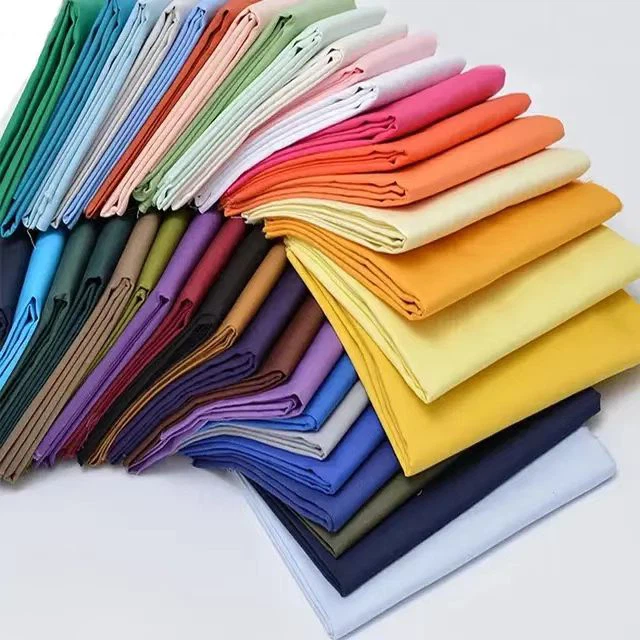

Powder dyes are generally more versatile when it comes to fabric types. They can be used on natural fibers like cotton, linen, and silk, as well as synthetic fibers like polyester and nylon. They can penetrate deep into the fibers, giving long - lasting color. However, some synthetic fabrics might require special pre - treatment before using powder dyes to ensure good color absorption.
Liquid dyes are also compatible with a wide range of fabrics, but they might be more suitable for synthetic fabrics. They work well with fabrics like the Embossed Stripe Microfiber Fabric. The even distribution of color in liquid dyes helps to maintain the smooth texture of synthetic fabrics without causing any damage.
5. Cost
Cost is always an important factor. Powder dyes are usually cheaper per unit of color. Since they're more concentrated, you can get a lot of color from a small amount of powder. This makes them a cost - effective choice for large - scale dyeing projects.
Liquid dyes, on the other hand, are more expensive upfront. But when you consider the time and effort saved in the dissolving process, they might be worth the extra cost for small - scale or hobbyist projects.
6. Environmental Impact
In terms of the environment, both powder and liquid dyes have their pros and cons.
Powder dyes often come in dry packaging, which is generally more eco - friendly than liquid containers. However, the dissolving process might require more water, and if not done properly, it can lead to wasted dye.
Liquid dyes, although they come in containers, are easier to measure and use, which can reduce waste. Some liquid dyes are also formulated to be more environmentally friendly, with less harmful chemicals.
So, which one should you choose? Well, it depends on your specific needs. If you're looking for deep, intense colors, have the time to dissolve the powder, and are dyeing large quantities of fabric, powder dyes are a great choice. If you want a quick, easy - to - use option with good color consistency, especially for small projects or synthetic fabrics, liquid dyes are the way to go.
As a dyed fabric supplier, I've seen the results of both types of dyes on various fabrics. Whether you're a large - scale manufacturer or a small - business owner, I can help you find the right dye for your fabric. If you're interested in purchasing our dyed fabrics or have any questions about the dyeing process, feel free to reach out. We can have a chat about your requirements and find the best solution for you.
References
- "Textile Dyeing: Principles and Practice" by Shishir Kumar Datta
- "The Handbook of Textile and Apparel Science" by Peter S. Cooke