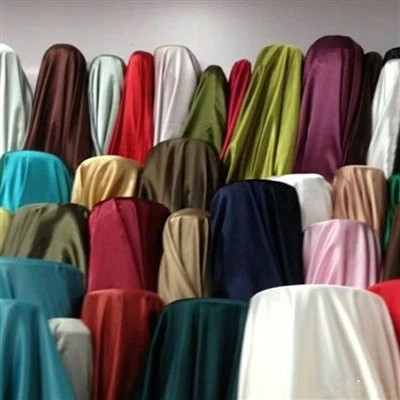
Polyester pongee fabric is a popular textile known for its versatility, durability, and aesthetic appeal. As a leading supplier of this fabric, we often receive inquiries about its electrical properties. In this blog post, we will delve into the electrical characteristics of polyester pongee fabric, exploring how these properties impact its performance and applications.
Electrical Conductivity
One of the primary electrical properties of polyester pongee fabric is its conductivity. Polyester, the main component of this fabric, is a synthetic polymer that is inherently a poor conductor of electricity. This means that polyester pongee fabric has a high electrical resistance, which makes it an effective insulator.
The low conductivity of polyester pongee fabric is due to its molecular structure. Polyester molecules are long chains of repeating units that are tightly packed together. These chains are held together by strong covalent bonds, which prevent the movement of electrons. As a result, electrical charges cannot flow easily through the fabric, making it a good insulator.
The insulating properties of polyester pongee fabric make it suitable for a variety of applications where electrical safety is a concern. For example, it can be used in the manufacturing of electrical insulation materials, such as cables, wires, and transformers. In these applications, the fabric helps to prevent the flow of electricity and reduce the risk of electrical shock or short circuits.
Static Electricity
While polyester pongee fabric is a good insulator, it can also generate static electricity. Static electricity is the result of an imbalance of electrical charges on the surface of an object. When two materials come into contact and then separate, electrons can be transferred from one material to the other, creating a static charge.
Polyester pongee fabric is particularly prone to static electricity because of its low conductivity. As the fabric rubs against other materials, such as skin or clothing, electrons can be transferred, creating a static charge. This static charge can cause the fabric to cling to the body, attract dust and lint, and even produce a small shock when touched.

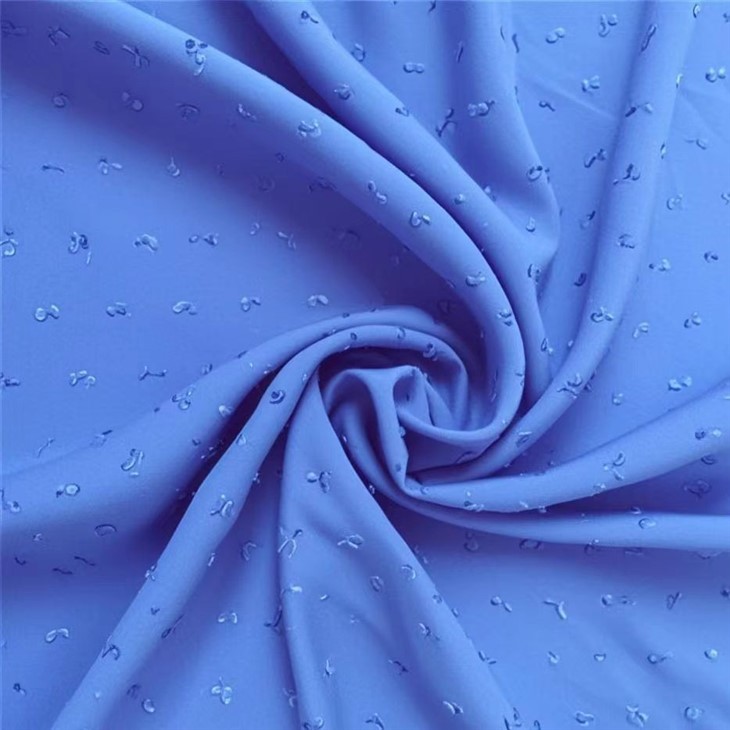
To reduce the generation of static electricity in polyester pongee fabric, several methods can be used. One common method is to treat the fabric with an antistatic agent. Antistatic agents work by reducing the surface resistance of the fabric, allowing the static charge to dissipate more easily. Another method is to add conductive fibers, such as carbon or metal fibers, to the fabric. These fibers provide a path for the static charge to flow, reducing the buildup of static electricity.
Dielectric Constant
The dielectric constant is a measure of a material's ability to store electrical energy in an electric field. It is an important property for materials used in electrical applications, as it affects the capacitance and performance of electrical components.
Polyester pongee fabric has a relatively low dielectric constant, which means that it is not very effective at storing electrical energy. This property makes it suitable for applications where low capacitance is required, such as in high-frequency circuits. In these circuits, a low dielectric constant helps to reduce signal loss and improve the performance of the circuit.
Electrostatic Discharge (ESD)
Electrostatic discharge (ESD) is the sudden flow of electricity between two electrically charged objects. ESD can occur when a charged object comes into contact with a conductive surface or when there is a sudden change in the electrical field. ESD can cause damage to electronic components, such as integrated circuits, and can also pose a safety hazard in certain environments.
Polyester pongee fabric can be used to prevent ESD in some applications. By treating the fabric with an antistatic agent or adding conductive fibers, the fabric can be made more conductive, allowing the static charge to dissipate safely. This helps to prevent the buildup of static electricity and reduce the risk of ESD.
Applications in Electrical and Electronic Industries
The electrical properties of polyester pongee fabric make it suitable for a variety of applications in the electrical and electronic industries. Here are some examples:
- Electrical Insulation: As mentioned earlier, the insulating properties of polyester pongee fabric make it ideal for use in electrical insulation materials. It can be used to wrap cables and wires, providing a protective layer that prevents the flow of electricity and reduces the risk of electrical shock.
- Electromagnetic Shielding: Polyester pongee fabric can be treated with conductive materials to create electromagnetic shielding materials. These materials are used to protect electronic devices from electromagnetic interference (EMI), which can cause malfunctions and reduce the performance of the devices.
- Printed Circuit Boards (PCBs): Polyester pongee fabric can be used as a substrate for printed circuit boards. Its low dielectric constant and high mechanical strength make it a suitable material for supporting the electrical components on the PCB.
- Electronic Textiles: With the development of wearable technology, polyester pongee fabric is being used to create electronic textiles. These textiles can incorporate sensors, actuators, and other electronic components, allowing them to interact with the environment and the user.
Related Products
In addition to polyester pongee fabric, we also offer a range of related products, such as Polyester Embossed Bazin Fabric, Polyester Jaquard Cut Flower Fabric, and Embossed Stripe Microfiber Fabric. These fabrics also have unique electrical and physical properties, making them suitable for a variety of applications.
Conclusion
In conclusion, the electrical properties of polyester pongee fabric, including its low conductivity, static electricity generation, low dielectric constant, and ESD prevention capabilities, make it a versatile and valuable material in the electrical and electronic industries. Whether you are looking for electrical insulation materials, electromagnetic shielding, or electronic textiles, polyester pongee fabric can meet your needs.
If you are interested in learning more about our polyester pongee fabric or our other products, please do not hesitate to contact us. We are always happy to discuss your specific requirements and provide you with the best solutions for your projects.
References
- Textile Science and Technology: Chemical Processing of Fibers and Fabrics, Volume 1B: Functional Finishes, by M. Lewin and E. M. Pearce
- Handbook of Fiber Science and Technology, Volume III: High Technology Fibers, Part A, by M. Lewin and E. M. Pearce
- Electrical Engineering Materials, by A. J. M. Spencer