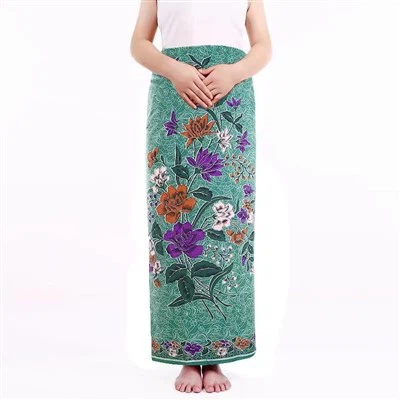
As a seasoned Sewed Sarong supplier, I'm excited to share valuable tips for sewing the perfect sarong. A sarong is a versatile and stylish garment that can be worn in various ways, making it a popular choice for beachgoers, travelers, and fashion enthusiasts. Whether you're a beginner or an experienced sewer, these tips will help you create a sarong that fits well, looks great, and stands the test of time.
Choose the Right Fabric
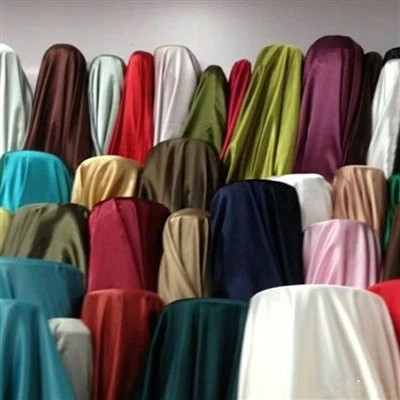
The choice of fabric is crucial when it comes to sewing a sarong. You want a fabric that is lightweight, breathable, and drapes well. Some popular fabric options for sarongs include cotton, rayon, silk, and polyester microfiber.
- Cotton: Cotton is a natural fiber that is soft, comfortable, and breathable. It comes in a wide range of colors and patterns, making it a great choice for a variety of sarong styles. However, cotton can wrinkle easily, so you may need to iron it before wearing.
- Rayon: Rayon is a semi-synthetic fiber that is made from wood pulp. It has a soft, silky feel and drapes well. Rayon is also breathable and absorbs moisture, making it a good choice for warm weather. However, like cotton, it can wrinkle easily.
- Silk: Silk is a luxurious and elegant fabric that is known for its softness and sheen. It is also breathable and drapes beautifully. However, silk is expensive and requires special care, so it may not be the best choice for everyday wear.
- Polyester Microfiber: Polyester microfiber is a synthetic fiber that is lightweight, breathable, and quick-drying. It is also resistant to wrinkles and fading, making it a great choice for a sarong that will be worn in a variety of settings. Additionally, polyester microfiber can be easily printed with a variety of designs, such as the Printed Southeast Asia Sarong and Digital Print Personalized Polyester Fabric.
Measure and Cut the Fabric
Once you have chosen the fabric for your sarong, you need to measure and cut it to the right size. The standard size for a sarong is around 60 inches by 120 inches, but you can adjust the size based on your preferences and the way you plan to wear it.
- Measure the Fabric: Use a measuring tape to measure the length and width of the fabric. Make sure to add a few inches for seam allowances.
- Cut the Fabric: Use sharp fabric scissors to cut the fabric to the desired size. Make sure to cut the fabric straight and evenly.
Create a Seam
After cutting the fabric, you need to create a seam along one of the long edges to form a tube. This will give your sarong its shape and prevent the edges from fraying.
- Pin the Fabric: Fold the fabric in half lengthwise with the right sides together. Pin the edges together along the long edge to keep them in place.
- Sew the Seam: Use a sewing machine or a needle and thread to sew a seam along the pinned edge. Make sure to use a straight stitch and a small stitch length for a clean and professional look. Leave a small opening at one end of the seam for turning the fabric right side out.
- Turn the Fabric Right Side Out: Use a knitting needle or a chopstick to gently turn the fabric right side out through the opening in the seam. Press the seam flat with an iron.
Add a Hem
Adding a hem to the edges of your sarong will give it a finished look and prevent the fabric from fraying. You can choose to add a simple hem or a more decorative hem, depending on your style and preferences.
- Fold the Edge: Fold the edge of the fabric over by about 1/4 inch and press it with an iron. Then, fold the edge over again by about 1/2 inch and press it flat.
- Pin the Hem: Pin the folded edge in place to keep it from shifting while you sew.
- Sew the Hem: Use a sewing machine or a needle and thread to sew a seam along the folded edge. Make sure to use a straight stitch and a small stitch length for a neat and durable hem.
Embellish Your Sarong
Once you have sewn the basic sarong, you can add some embellishments to make it more unique and personalized. There are many different ways to embellish a sarong, such as adding embroidery, beading, or appliqué.


- Embroidery: Embroidery is a great way to add a decorative touch to your sarong. You can use a variety of embroidery stitches and colors to create a pattern or design. You can also use embroidery floss, beads, or sequins to add some sparkle and texture.
- Beading: Beading is another popular way to embellish a sarong. You can use a variety of beads, such as seed beads, glass beads, or crystals, to create a beautiful and intricate design. You can sew the beads onto the fabric using a needle and thread or use a special beading glue.
- Appliqué: Appliqué is a technique where you cut out a shape or design from a piece of fabric and sew it onto the sarong. You can use a variety of fabrics, such as cotton, silk, or felt, to create a colorful and textured appliqué. You can also add some embroidery or beading to the appliqué for a more decorative look.
Maintain Your Sarong
To keep your sarong looking its best, it's important to take proper care of it. Here are some tips for maintaining your sarong:
- Wash the Sarong: Follow the care instructions on the fabric label when washing your sarong. Most sarongs can be machine washed on a gentle cycle with cold water and a mild detergent. Avoid using bleach or fabric softeners, as they can damage the fabric.
- Dry the Sarong: Hang the sarong to dry in a well-ventilated area. Avoid drying it in direct sunlight, as this can cause the colors to fade. If you need to use a dryer, use a low heat setting and remove the sarong from the dryer while it is still slightly damp.
- Iron the Sarong: If your sarong needs to be ironed, use a low heat setting and iron it on the wrong side of the fabric. You can also use a pressing cloth to protect the fabric from direct heat.
Conclusion
Sewing a perfect sarong requires choosing the right fabric, measuring and cutting it correctly, creating a seam, adding a hem, and embellishing it if desired. By following these tips, you can create a sarong that fits well, looks great, and is unique and personalized.
As a Sewed Sarong supplier, we offer a wide range of high-quality fabrics, including Disperse Printed Microfiber Fabric 130GSM, that are perfect for sewing sarongs. We also provide custom printing and design services to help you create a sarong that meets your specific needs and preferences. If you're interested in purchasing fabric or custom-made sarongs, please don't hesitate to contact us for more information and to start a procurement negotiation.
References
- Sewing for Beginners: A Comprehensive Guide, Author Unknown
- The Complete Book of Sewing Techniques, Author Unknown
- Fabric Selection Guide, Author Unknown