As a supplier of Shiny Satin Fabric, I've received numerous inquiries about its absorbency. This characteristic is not only crucial for understanding the fabric's practical applications but also plays a significant role in determining its suitability for various industries. In this blog post, I'll delve into the absorbency of Shiny Satin Fabric, exploring its influencing factors, implications, and real - world uses.
What is Shiny Satin Fabric?
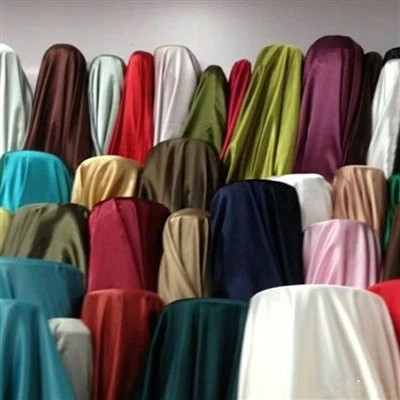
Before we discuss absorbency, let's briefly introduce Shiny Satin Fabric. Satin is a type of weave rather than a specific fiber. Shiny Satin Fabric is known for its lustrous surface, smooth texture, and elegant drape. It can be made from a variety of fibers, including silk, polyester, nylon, and rayon. Each fiber imparts different properties to the satin fabric, which in turn affects its absorbency.

Factors Affecting the Absorbency of Shiny Satin Fabric
Fiber Type
- Silk Satin: Silk is a natural protein fiber. It has relatively good absorbency because of the amino acid groups in its structure. These groups can attract and hold water molecules. Silk satin can absorb up to 11% of its weight in moisture. This makes it comfortable to wear in warm and humid conditions as it can wick away sweat from the skin, keeping the wearer dry and cool.
- Polyester Satin: Polyester is a synthetic fiber. It has poor absorbency compared to silk. Polyester satin typically absorbs less than 1% of its weight in water. This is because polyester has a hydrophobic (water - repelling) nature. However, this property also makes polyester satin resistant to moisture - related issues such as mildew and shrinkage.
- Rayon Satin: Rayon is a semi - synthetic fiber made from cellulose. It has a high absorbency rate, similar to cotton. Rayon satin can absorb up to 13% of its weight in water. This makes it suitable for applications where moisture management is important.
Weave Structure
The satin weave itself has an impact on absorbency. Satin weaves are characterized by long floats of yarn on the surface, which create a smooth and shiny appearance. However, these long floats can also reduce the fabric's ability to absorb water. The tightness of the weave also matters. A tighter satin weave may have less space for water to penetrate and be absorbed compared to a looser one.

Finish and Treatment
Fabric finishes and treatments can significantly alter the absorbency of Shiny Satin Fabric. For example, a water - repellent finish can be applied to polyester satin to further reduce its already low absorbency, making it ideal for outdoor applications. On the other hand, a hydrophilic finish can be added to polyester or other synthetic satins to increase their absorbency, making them more suitable for use in clothing that requires moisture - wicking properties.
Implications of Absorbency
In Clothing
- Comfort: Absorbency is directly related to the comfort of clothing. Fabrics with high absorbency, like silk or rayon satin, can absorb sweat and moisture from the skin, preventing the feeling of stickiness and discomfort. This is especially important for undergarments, activewear, and clothing worn in hot and humid climates.
- Appearance: High absorbency can also affect the appearance of clothing. If a satin fabric absorbs too much moisture, it may become translucent or lose its shape. For example, in formal wear made of satin, excessive absorbency can lead to a less - than - ideal look when the fabric gets wet.
In Home Decor
- Cleaning and Maintenance: Absorbency plays a role in how easy it is to clean satin fabrics used in home decor. Fabrics with low absorbency, such as polyester satin, are easier to clean as they are less likely to stain. On the other hand, highly absorbent satins may require more careful cleaning to avoid water stains.
- Moisture Resistance: In areas prone to high humidity, like bathrooms or kitchens, satin fabrics with low absorbency are preferred as they are less likely to develop mold or mildew.
Real - World Applications Based on Absorbency
High - Absorbency Shiny Satin Fabric
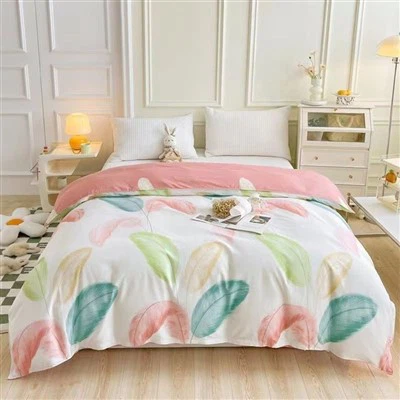
- Bedding: Rayon or silk satin sheets are popular for their high absorbency. They can absorb body moisture during sleep, providing a more comfortable sleeping environment.
- Activewear: Some high - performance activewear is made from satin fabrics with enhanced absorbency. These fabrics can wick away sweat quickly, allowing athletes to stay dry and focused during their workouts.
Low - Absorbency Shiny Satin Fabric
- Evening Gowns: Polyester satin is a common choice for evening gowns. Its low absorbency ensures that the dress retains its shape and appearance, even if there is a little bit of moisture from sweating or spills.
- Upholstery: In furniture upholstery, low - absorbency satin fabrics are preferred as they are more resistant to stains and spills. This makes them easier to maintain and keep looking new for longer.
Types of Shiny Satin Fabric and Their Absorbency
Jacquard Satin Fabric
Jacquard Satin Fabric is known for its intricate patterns created by a special weaving technique. The absorbency of Jacquard Satin Fabric depends on the fiber it is made from. If it's silk - based, it will have relatively high absorbency. On the other hand, a polyester [Jacquard Satin Fabric](:/polyester - clothes - fabric/satin - fabric/jacquard - satin - fabric.html) will have low absorbency. These fabrics are often used in high - end fashion and home decor, where the pattern and the fabric's appearance are as important as its absorbency properties.
Bridal Satin
[Bridal Satin](:/polyester - clothes - fabric/satin - fabric/bridal - satin.html) is typically used for wedding dresses. Silk bridal satin is a classic choice because of its luxurious feel and relatively high absorbency, which can keep the bride comfortable on her special day. Polyester bridal satin, however, is more popular due to its lower cost and lower absorbency, which helps the dress maintain its shape and prevent staining.
Elastic Satin Fabric
[Elastic Satin Fabric](:/polyester - clothes - fabric/satin - fabric/elastic - satin - fabric.html) combines the stretchiness of elastic fibers with the elegance of satin. Its absorbency depends on the base fiber. If it's a blend with a high percentage of synthetic fibers like polyester, the absorbency will be low. This type of fabric is often used in form - fitting clothing, such as dancewear and lingerie.
Contact for Purchase and Discussion
If you're interested in purchasing Shiny Satin Fabric for your specific needs, whether it's for clothing, home decor, or other applications, I'd be more than happy to assist you. We offer a wide range of Shiny Satin Fabrics with different absorbency levels, fiber types, and finishes. Contact us to discuss your requirements, and we can work together to find the perfect fabric solution for you.

References
- Textile Institute. Handbook of Textile Fibres. Woodhead Publishing, 2016.
- Lewin, M., & Pearce, E. M. Handbook of Fiber Science and Technology. CRC Press, 2007.