As a supplier of Dyed Plain Cotton Fabric, I often encounter various inquiries from customers, one of the most intriguing questions being about the electrical conductivity of our dyed plain cotton fabric. In this blog post, I'll delve into this topic, exploring the factors that influence the electrical conductivity of dyed plain cotton fabric, its implications, and how it relates to our product offerings.
Understanding the Basics of Cotton Fabric
Cotton is a natural fiber renowned for its comfort, breathability, and versatility. It is widely used in the textile industry for making a variety of products, from clothing to home furnishings. Dyed plain cotton fabric, in particular, is a staple in many wardrobes and households due to its simple yet elegant appearance.
Cotton fibers are essentially made up of cellulose, a polymer composed of glucose units. Cellulose is an insulator, meaning it does not conduct electricity well. In its pure form, cotton fabric has relatively low electrical conductivity. However, several factors can affect the electrical conductivity of dyed plain cotton fabric.
Factors Affecting Electrical Conductivity
Dyeing Process
The dyeing process can have a significant impact on the electrical conductivity of cotton fabric. Some dyes contain metal ions or conductive polymers that can enhance the fabric's ability to conduct electricity. For example, certain metallic dyes can introduce conductive elements into the fabric, increasing its electrical conductivity. Additionally, the method of dyeing, such as the use of mordants or fixatives, can also affect the distribution of the dye on the fabric and, consequently, its electrical properties.
Moisture Content
Moisture plays a crucial role in the electrical conductivity of cotton fabric. Cotton is a hygroscopic fiber, which means it can absorb and retain moisture from the surrounding environment. Water is a good conductor of electricity, and when cotton fabric absorbs moisture, the water molecules can act as carriers for electrical charges, increasing the fabric's conductivity. Therefore, the electrical conductivity of dyed plain cotton fabric can vary depending on the humidity level of the environment.
Fabric Structure
The structure of the fabric, including its weave and density, can also influence its electrical conductivity. A tightly woven fabric with a high density may have a lower electrical conductivity compared to a loosely woven fabric. This is because the tight weave can restrict the movement of electrical charges through the fabric. Additionally, the presence of any surface treatments or finishes on the fabric can affect its electrical properties.
Implications of Electrical Conductivity in Dyed Plain Cotton Fabric
The electrical conductivity of dyed plain cotton fabric has several implications, both in practical applications and in the textile industry.


Antistatic Properties
One of the most significant implications of electrical conductivity in cotton fabric is its antistatic properties. Static electricity can cause discomfort, attract dust and dirt, and even pose a safety hazard in certain environments. By enhancing the electrical conductivity of dyed plain cotton fabric, we can reduce the buildup of static electricity, making the fabric more comfortable to wear and easier to maintain.
Smart Textiles
In recent years, there has been a growing interest in the development of smart textiles, which are fabrics that can sense and respond to changes in their environment. The electrical conductivity of dyed plain cotton fabric makes it a promising candidate for use in smart textile applications. For example, conductive cotton fabric can be used to create sensors, actuators, and other electronic components that can be integrated into clothing or other textile products.
Industrial Applications
In addition to its use in consumer products, dyed plain cotton fabric with enhanced electrical conductivity has potential applications in various industries. For example, it can be used in the manufacturing of electromagnetic shielding materials, which are used to protect electronic devices from electromagnetic interference. It can also be used in the production of conductive packaging materials, which can help to prevent static discharge and protect sensitive electronic components during transportation and storage.
Our Product Offerings
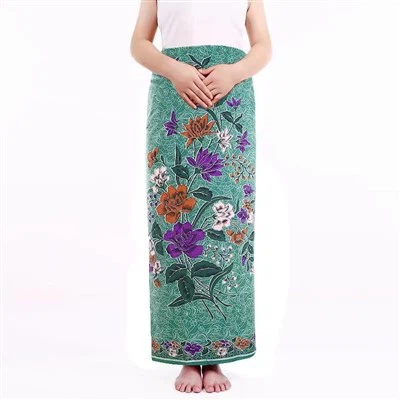
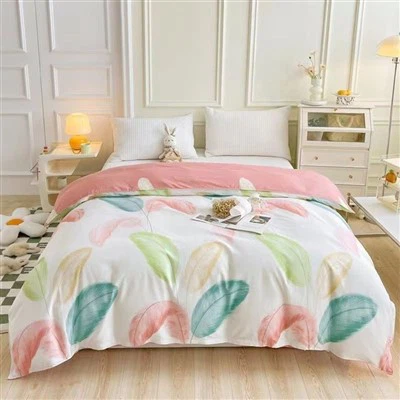
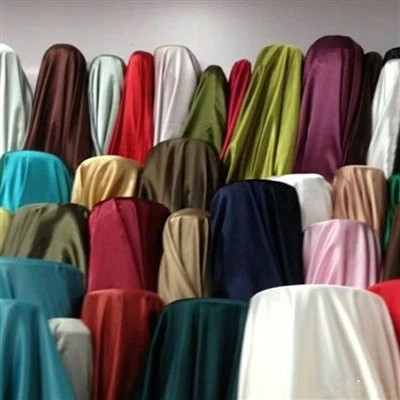
As a supplier of Dyed Plain Cotton Fabric, we offer a wide range of products with varying levels of electrical conductivity to meet the diverse needs of our customers. Our Combed Cotton Fabric is known for its smooth texture and high quality, making it suitable for a variety of applications. We also offer Cotton Double Layer Gauze Fabric, which is lightweight and breathable, making it ideal for summer clothing. Additionally, our Print Cotton Fabric features beautiful prints and patterns, adding a touch of style to any project.
We understand the importance of providing our customers with high-quality products that meet their specific requirements. That's why we work closely with our customers to understand their needs and develop customized solutions. Whether you're looking for fabric with enhanced electrical conductivity for a specific application or simply want to add a touch of style to your project, we have the expertise and resources to help you find the perfect solution.
Contact Us for Procurement and Collaboration
If you're interested in learning more about our Dyed Plain Cotton Fabric or have any questions about its electrical conductivity, we'd love to hear from you. Our team of experts is available to provide you with detailed information, samples, and pricing. We're committed to providing our customers with the best possible service and support, and we look forward to working with you to meet your textile needs.
Please feel free to reach out to us to start a conversation about your procurement requirements. We're eager to discuss how our products can fit into your projects and help you achieve your goals.
References
- Textile Chemistry: Fundamentals and Applications, by S. S. Muthu
- Smart Textiles and Their Applications, by R. Paradkar and S. K. Behera
- Handbook of Fiber Chemistry, by M. Lewin and E. M. Pearce