What is the origin of tc poplin fabric?
As a seasoned supplier of TC poplin fabric, I've had numerous inquiries about the origin of this remarkable textile. Understanding its roots not only enriches our appreciation for the fabric but also provides valuable insights into its unique characteristics and applications. In this blog post, I'll delve into the history, composition, and evolution of TC poplin fabric, shedding light on its journey from humble beginnings to its current status as a staple in the textile industry.
Historical Origins
The term "poplin" has a long and storied history, dating back to the 14th century. It is believed to have originated in Avignon, France, where it was known as "papeline," a fabric made from silk and wool. The name "poplin" is thought to be a corruption of "papeline," and it gradually came to refer to a variety of fabrics with a similar weave structure.
In the 19th century, the development of cotton spinning and weaving technology led to the widespread production of cotton poplin. This lightweight, durable fabric quickly gained popularity for its versatility and affordability, making it a favorite among clothing manufacturers and consumers alike.
Composition of TC Poplin Fabric
TC poplin fabric is a blend of polyester and cotton, with the "TC" standing for "polyester-cotton." The exact ratio of polyester to cotton can vary, but common blends include Tc 65/35 Fabric, which contains 65% polyester and 35% cotton, and Tc 80/20 Fabric, which contains 80% polyester and 20% cotton.
The combination of polyester and cotton in TC poplin fabric offers several advantages. Polyester provides strength, durability, and resistance to wrinkles, while cotton adds breathability, softness, and comfort. This makes TC poplin fabric an ideal choice for a wide range of applications, including clothing, bedding, and home decor.
Evolution of TC Poplin Fabric
Over the years, TC poplin fabric has undergone significant evolution, driven by advancements in textile technology and changing consumer preferences. In the early days, TC poplin fabric was primarily used for workwear and casual clothing, thanks to its durability and affordability. However, as the quality of the fabric improved and new manufacturing techniques were developed, TC poplin fabric began to gain popularity in more formal and fashionable applications.
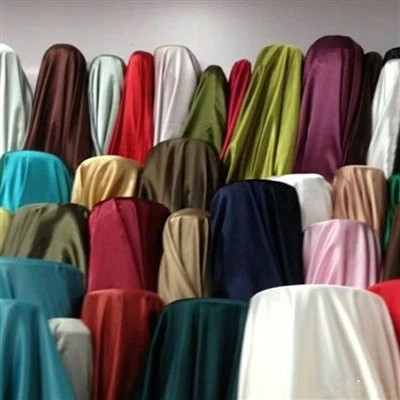
Today, TC poplin fabric is available in a wide range of colors, patterns, and finishes, making it suitable for a variety of styles and occasions. It is commonly used in the production of shirts, blouses, dresses, suits, and uniforms, as well as in the manufacturing of bedding, curtains, and upholstery.
Production Process
The production of TC poplin fabric involves several stages, each of which plays a crucial role in determining the quality and characteristics of the final product. The process typically begins with the selection of high-quality polyester and cotton fibers, which are then spun into yarns.
The yarns are then woven together using a plain weave structure, which is characterized by a simple over-and-under pattern. This creates a smooth, even surface with a slight sheen, giving TC poplin fabric its distinctive appearance.
After weaving, the fabric is typically subjected to a series of finishing treatments, such as bleaching, dyeing, printing, and coating. These treatments can enhance the color, durability, and performance of the fabric, as well as add special features such as water resistance, stain resistance, and wrinkle resistance.
Advantages of TC Poplin Fabric
There are several advantages to using TC poplin fabric, which make it a popular choice among manufacturers and consumers alike. Some of the key benefits of TC poplin fabric include:
- Durability: The combination of polyester and cotton in TC poplin fabric makes it strong and resistant to wear and tear, making it suitable for a variety of applications.
- Wrinkle Resistance: Polyester fibers in TC poplin fabric help to prevent wrinkles, making the fabric easy to care for and maintain.
- Breathability: Cotton fibers in TC poplin fabric allow air to circulate, making the fabric breathable and comfortable to wear, even in warm weather.
- Affordability: TC poplin fabric is generally more affordable than pure cotton or silk fabrics, making it a cost-effective choice for clothing and home decor.
- Versatility: TC poplin fabric is available in a wide range of colors, patterns, and finishes, making it suitable for a variety of styles and occasions.
Applications of TC Poplin Fabric
TC poplin fabric is a versatile textile that can be used in a wide range of applications, including:
- Clothing: TC poplin fabric is commonly used in the production of shirts, blouses, dresses, suits, and uniforms, thanks to its durability, wrinkle resistance, and comfort.
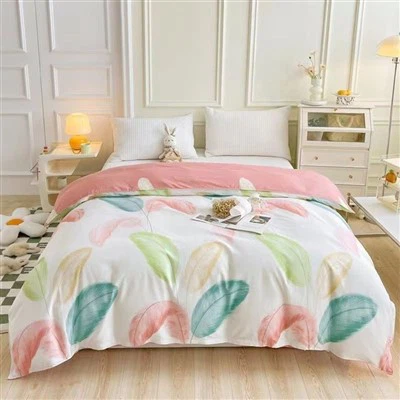
- Bedding: TC poplin fabric is a popular choice for bedding, such as sheets, pillowcases, and duvet covers, due to its softness, breathability, and easy care.
- Home Decor: TC poplin fabric can be used in the manufacturing of curtains, drapes, upholstery, and tablecloths, adding a touch of style and elegance to any room.
- Industrial Applications: TC poplin fabric is also used in a variety of industrial applications, such as filtration, insulation, and packaging, due to its strength and durability.
Conclusion
In conclusion, TC poplin fabric is a versatile and durable textile with a rich history and a wide range of applications. Its unique blend of polyester and cotton offers several advantages, including strength, wrinkle resistance, breathability, and affordability, making it a popular choice among manufacturers and consumers alike.


As a supplier of TC poplin fabric, I'm proud to offer a high-quality product that meets the needs and expectations of our customers. Whether you're looking for Tc 65/35 Fabric, Cvc Plain Fabric, or Tc 80/20 Fabric, we have the expertise and resources to provide you with the perfect solution for your project.
If you're interested in learning more about our TC poplin fabric or would like to discuss your specific requirements, please don't hesitate to contact us. We look forward to working with you and helping you find the ideal fabric for your needs.
References
- Textile Institute. (2019). Handbook of Textile Fibre Structure. Woodhead Publishing.
- Horrocks, A. R., & Anand, S. C. (Eds.). (2000). Handbook of Technical Textiles. Woodhead Publishing.
- Tortora, P. G., & Merkel, K. A. (2009). Fairchild's Dictionary of Textiles. Fairchild Books.