Satin fabric is a luxurious material that has been cherished for centuries for its smooth, shiny surface and elegant drape. As a satin fabric supplier, I have had the privilege of working closely with this exquisite textile, and I am excited to share my insights into its texture. In this blog post, I will explore the unique characteristics of satin fabric, including its feel, appearance, and performance, to help you better understand what makes it such a sought-after choice for a variety of applications.
Understanding the Basics of Satin Fabric
Before delving into the texture of satin fabric, it's important to understand its basic construction. Satin is not a specific fiber but rather a weave structure. The satin weave is characterized by a minimum of four weft (horizontal) threads floating over one warp (vertical) thread, creating a smooth and lustrous surface on one side. This weave structure gives satin its signature sheen and softness, while also allowing for a wide range of fibers to be used in its production.
Common fibers used to make satin include silk, polyester, nylon, and rayon. Each fiber imparts different properties to the satin fabric, affecting its texture, durability, and price. For example, silk satin is known for its luxurious feel and natural sheen, while polyester satin is more affordable and easier to care for.
The Feel of Satin Fabric
One of the most distinctive features of satin fabric is its incredibly smooth and soft feel. When you run your fingers across the surface of a satin fabric, you'll notice a silky, almost slippery texture that is both cool to the touch and incredibly comfortable. This smoothness is a result of the long, continuous fibers used in the satin weave, which glide over each other without catching or snagging.


The softness of satin fabric also makes it a popular choice for bedding, lingerie, and other items that come into direct contact with the skin. It feels gentle and soothing against the body, providing a luxurious and comfortable sleeping or wearing experience. Additionally, the smooth texture of satin can help reduce friction, which may be beneficial for people with sensitive skin or those prone to irritation.
The Appearance of Satin Fabric
In addition to its soft feel, satin fabric is known for its beautiful sheen and luster. The satin weave reflects light in a way that creates a bright, shiny surface that catches the eye and adds a touch of elegance to any garment or decor item. This sheen can vary depending on the type of fiber used and the finish applied to the fabric.
Silk satin, for example, has a natural, iridescent sheen that is unmatched by other fibers. It has a warm, soft glow that gives it a luxurious and sophisticated look. Polyester satin, on the other hand, can have a more synthetic-looking sheen, but it can also be treated to mimic the appearance of silk. Some satin fabrics are also available in matte finishes, which have a more subdued, velvety look. These Matt Satin Fabric are popular for their modern and understated aesthetic.
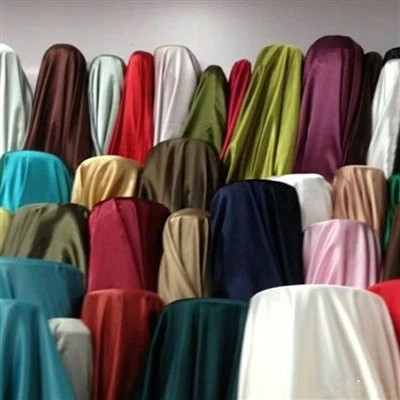
Another aspect of the appearance of satin fabric is its drape. Satin has a fluid, flowing drape that allows it to hang gracefully and create soft, elegant folds. This makes it a popular choice for evening gowns, curtains, and other items where a beautiful drape is desired. The drape of satin can be affected by the weight and thickness of the fabric, as well as the type of fiber used. Heavier satin fabrics tend to have a more structured drape, while lighter fabrics are more fluid and flowing.
The Performance of Satin Fabric
In addition to its feel and appearance, satin fabric also offers a number of performance benefits. Depending on the type of fiber used, satin can be durable, wrinkle-resistant, and easy to care for.
Polyester satin, for example, is known for its durability and resistance to wrinkles. It is a popular choice for clothing and home decor items that need to maintain their shape and appearance over time. Polyester satin is also relatively easy to care for, as it can be machine washed and dried without losing its shape or color.
Silk satin, on the other hand, is more delicate and requires special care. It is prone to wrinkling and can be damaged by harsh chemicals and high heat. However, with proper care, silk satin can last for many years and maintain its luxurious appearance.
Some satin fabrics, such as Elastic Satin Fabric and Silk Satin Fabric Stretch, also offer stretch and elasticity. These fabrics are ideal for clothing items that require a close fit, such as lingerie, swimwear, and athletic wear. The stretch in these fabrics allows for greater mobility and comfort, while still maintaining the smooth and shiny appearance of satin.
Applications of Satin Fabric
The unique texture and appearance of satin fabric make it a versatile material that can be used in a wide range of applications. Here are some common uses for satin fabric:
- Fashion: Satin is a popular choice for evening gowns, cocktail dresses, bridesmaid dresses, and lingerie. Its smooth texture and beautiful sheen add a touch of elegance and sophistication to any outfit.
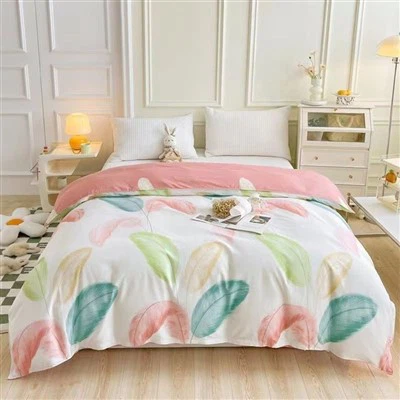
- Home Decor: Satin fabric is often used for curtains, bedding, pillowcases, and tablecloths. Its soft feel and luxurious appearance can transform a room and create a warm and inviting atmosphere.
- Costume Design: Satin is a staple in the world of costume design, as it can be used to create a variety of looks, from historical to modern. Its ability to drape and hold its shape makes it ideal for creating elaborate costumes.
- Accessories: Satin is also used to make accessories such as ties, scarves, and handbags. These items add a touch of luxury and style to any outfit.
Conclusion
In conclusion, the texture of satin fabric is one of its most defining characteristics. Its smooth, soft feel, beautiful sheen, and fluid drape make it a luxurious and versatile material that is highly sought after for a variety of applications. Whether you're looking for a elegant evening gown, a comfortable set of bedding, or a stylish accessory, satin fabric is sure to add a touch of sophistication and glamour to your life.
As a satin fabric supplier, I am committed to providing high-quality satin fabrics that meet the needs of my customers. If you're interested in learning more about our products or would like to discuss a potential purchase, please don't hesitate to contact us. We look forward to working with you to find the perfect satin fabric for your project.
References
- Textile Institute. (2009). Handbook of Textile Fibres. Woodhead Publishing.
- Tortora, P. G., & Merkel, J. B. (2016). Fairchild's Dictionary of Textiles. Fairchild Books.