As a seasoned supplier of mini matt fabric, I understand the challenges that come with choosing the right material for your projects. Mini matt fabric is a versatile and popular choice in the textile industry, known for its smooth finish, durability, and wide range of applications. Whether you're a fashion designer, a home decorator, or a DIY enthusiast, selecting the appropriate mini matt fabric can significantly impact the outcome of your work. In this blog post, I'll share some valuable insights and tips to help you make an informed decision.
Understanding Mini Matt Fabric
Before delving into the selection process, it's essential to have a clear understanding of what mini matt fabric is. Mini matt fabric is a type of synthetic fabric that typically consists of polyester fibers. It is characterized by its fine texture and a subtle, matte finish that gives it a sophisticated and elegant appearance. This fabric is highly resistant to wrinkles, shrinking, and fading, making it a practical choice for both everyday use and special occasions.
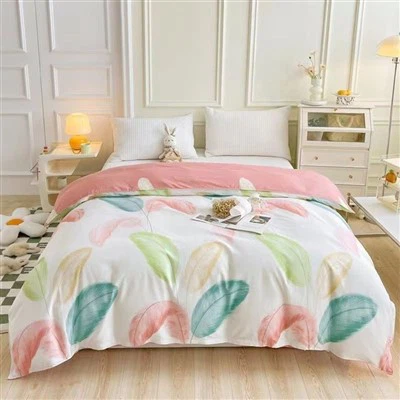
One of the key advantages of mini matt fabric is its versatility. It can be used in a variety of applications, including clothing, upholstery, drapery, and accessories. In the fashion industry, it is often used to create sleek and modern garments such as dresses, skirts, blouses, and suits. In home decor, mini matt fabric can be used to make curtains, pillow covers, and furniture upholstery, adding a touch of luxury to any space.
Factors to Consider When Choosing Mini Matt Fabric
When choosing the right mini matt fabric for your project, there are several factors that you need to take into account. These factors will help you determine the quality, suitability, and overall performance of the fabric. Here are some of the most important considerations:
1. Fiber Content
The fiber content of the mini matt fabric plays a crucial role in its properties and performance. As mentioned earlier, most mini matt fabrics are made from polyester fibers. Polyester is a synthetic fiber that is known for its strength, durability, and resistance to wrinkles and shrinking. It also has excellent color retention, which means that the fabric will maintain its vibrant colors even after multiple washes.


However, some mini matt fabrics may also contain a blend of other fibers, such as cotton or spandex, to enhance certain properties. For example, adding cotton to the fabric can improve its breathability and comfort, while adding spandex can increase its stretch and flexibility. When choosing a mini matt fabric, consider the specific requirements of your project and choose a fiber blend that best suits your needs.
2. Weight and Thickness
The weight and thickness of the mini matt fabric are important factors to consider, especially if you're using it for a specific application. Fabrics come in different weights, ranging from lightweight to heavyweight. Lightweight mini matt fabrics are typically more suitable for summer clothing, such as dresses and blouses, as they are breathable and comfortable to wear. Heavyweight fabrics, on the other hand, are better suited for winter clothing, upholstery, and drapery, as they provide more warmth and insulation.
In addition to weight, the thickness of the fabric can also affect its appearance and performance. Thicker fabrics tend to be more durable and have a more substantial feel, while thinner fabrics are more delicate and may require more care. When choosing a mini matt fabric, consider the intended use of the fabric and choose a weight and thickness that is appropriate for your project.
3. Color and Pattern
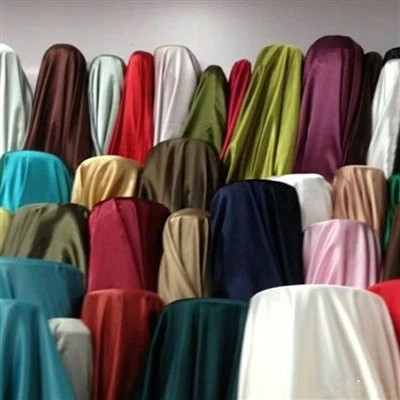
The color and pattern of the mini matt fabric are important considerations, as they can significantly impact the overall look and feel of your project. Mini matt fabrics come in a wide range of colors, from basic neutrals to bold and vibrant hues. When choosing a color, consider the color scheme of your project and choose a color that complements or contrasts with the other elements in the space.
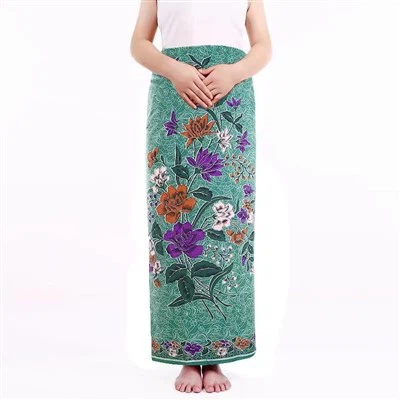
In addition to solid colors, mini matt fabrics also come in a variety of patterns, such as prints, stripes, and checks. Prints can add a fun and playful element to your project, while stripes and checks can create a more classic and sophisticated look. When choosing a pattern, consider the style and theme of your project and choose a pattern that fits the overall aesthetic.
If you're interested in solid color options, you can explore our Solid Color Mini Matt Fabric. For those who prefer prints, check out our Print Mini Matt Fabric.
4. Finish and Texture
The finish and texture of the mini matt fabric can also affect its appearance and performance. Mini matt fabrics typically have a smooth and matte finish, which gives them a sophisticated and elegant look. However, some fabrics may have a slightly textured finish, such as a pebbled or ribbed texture, which can add visual interest and depth to the fabric.
In addition to the finish, the texture of the fabric can also affect its feel and comfort. Some mini matt fabrics may have a soft and silky texture, while others may have a more crisp and structured feel. When choosing a fabric, consider the intended use of the fabric and choose a finish and texture that is appropriate for your project.
5. Durability and Care
The durability and care requirements of the mini matt fabric are important considerations, especially if you're using it for a long-term project. Mini matt fabrics are generally durable and resistant to wrinkles, shrinking, and fading, but they still require proper care to maintain their quality and appearance.
When choosing a mini matt fabric, consider the care instructions provided by the manufacturer. Some fabrics may require special cleaning methods, such as dry cleaning or hand washing, while others can be machine washed. Make sure to follow the care instructions carefully to ensure that the fabric lasts as long as possible.
Applications of Mini Matt Fabric
Mini matt fabric is a versatile material that can be used in a wide range of applications. Here are some of the most common uses of mini matt fabric:
1. Clothing
Mini matt fabric is a popular choice for clothing, especially for formal and semi-formal wear. Its smooth finish and elegant appearance make it ideal for creating dresses, skirts, blouses, and suits. The fabric's durability and resistance to wrinkles also make it a practical choice for everyday wear.
2. Upholstery
Mini matt fabric is also commonly used for upholstery, such as furniture and car seats. Its durability and resistance to wear and tear make it a suitable choice for high-traffic areas. The fabric's smooth finish also makes it easy to clean and maintain.
3. Drapery
Mini matt fabric is a popular choice for drapery, such as curtains and blinds. Its elegant appearance and light-blocking properties make it ideal for creating a stylish and functional window treatment. The fabric's durability and resistance to fading also make it a long-lasting choice for any room.
4. Accessories
Mini matt fabric can also be used to make a variety of accessories, such as handbags, wallets, and hats. Its smooth finish and elegant appearance make it a suitable choice for adding a touch of luxury to any accessory.
Conclusion
Choosing the right mini matt fabric for your project can be a challenging task, but by considering the factors mentioned above, you can make an informed decision. Remember to choose a fabric that is suitable for your specific needs and requirements, and that complements the overall style and aesthetic of your project.
As a supplier of mini matt fabric, I'm committed to providing high-quality materials and excellent customer service. If you have any questions or need further assistance in choosing the right fabric for your project, please don't hesitate to contact me. I'm here to help you find the perfect mini matt fabric for your needs.
References
- Textile Institute. (2023). Textile Terms and Definitions.
- American Association of Textile Chemists and Colorists. (2023). Technical Manual.