In the vast landscape of synthetic fibers, poly microfiber fabric has emerged as a prominent player, offering a unique set of properties that distinguish it from other counterparts. As a supplier of poly microfiber fabric, I am well - versed in its characteristics and how it stacks up against other synthetic fibers. This blog post aims to provide an in - depth comparison, highlighting the advantages and limitations of poly microfiber fabric in relation to other synthetic materials.
Composition and Manufacturing
Poly microfiber fabric is primarily made from polyester. The manufacturing process involves extruding extremely fine polyester filaments, which are much thinner than human hair. These fine filaments are then woven or knitted together to form the fabric. This high - tech production method allows for a very tight and uniform structure.
In contrast, other synthetic fibers like nylon are made from polyamides. Nylon is created through a different chemical reaction, resulting in a fabric with a different molecular structure. Acrylic, another synthetic fiber, is derived from acrylonitrile polymers. Each of these fibers has its own distinct manufacturing process, which ultimately affects their physical and chemical properties.
Softness and Comfort
One of the most notable features of poly microfiber fabric is its exceptional softness. The ultra - fine filaments create a smooth surface that feels gentle against the skin. This makes it a popular choice for clothing, bedding, and upholstery. When compared to nylon, which can sometimes have a slightly coarser feel, poly microfiber offers a more luxurious tactile experience.
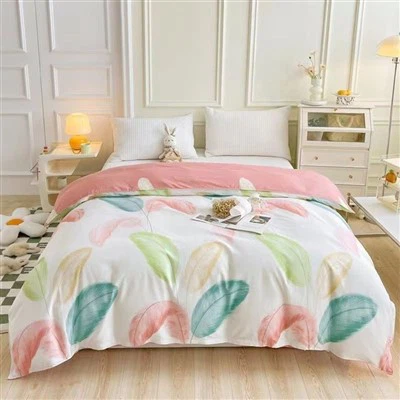
Acrylic fibers, on the other hand, can be quite stiff and may not provide the same level of comfort as poly microfiber. The softness of poly microfiber also allows it to drape well, making it suitable for a wide range of fashion applications. For example, a dress made from poly microfiber will hang gracefully and move with the body, enhancing the overall look and feel. You can explore our Microfiber Fabric 100 Polyester collection to experience this softness firsthand.


Absorbency and Moisture Management
Poly microfiber fabric has excellent moisture - wicking properties. The fine filaments create a large surface area, which allows the fabric to quickly absorb and evaporate moisture. This makes it ideal for sportswear and activewear, as it keeps the wearer dry and comfortable during physical activities.
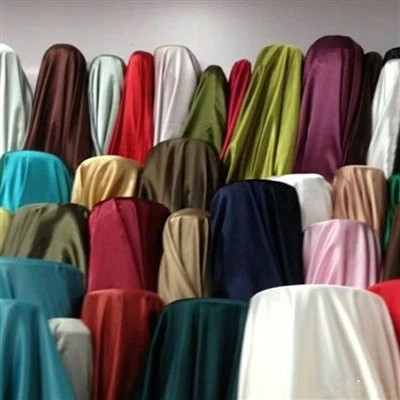
Nylon is also known for its good moisture - wicking abilities, but poly microfiber often outperforms it in terms of the speed of moisture evaporation. Acrylic, however, has relatively poor absorbency. It tends to trap moisture, which can lead to a feeling of dampness and discomfort. For those who are looking for fabrics that can handle sweat and moisture effectively, poly microfiber is a top choice. Our 100% Polyester Disappear Digital Printing fabric is designed with these moisture - management properties in mind.
Durability and Strength
When it comes to durability, poly microfiber fabric is quite robust. The tight weave or knit structure gives it good resistance to wear and tear. It can withstand repeated washing and use without losing its shape or integrity.
Nylon is generally considered to be one of the strongest synthetic fibers. It has high tensile strength, which means it can resist stretching and breaking. However, poly microfiber is not far behind. It offers a good balance between strength and flexibility, making it suitable for a variety of applications. Acrylic, while it can be durable, may be more prone to pilling and fading over time compared to poly microfiber.
Color Retention and Printability
Poly microfiber fabric has excellent color - retention properties. It can hold dyes well, resulting in vibrant and long - lasting colors. The smooth surface of the fabric also makes it ideal for printing. Digital printing on poly microfiber can produce high - resolution, detailed images.
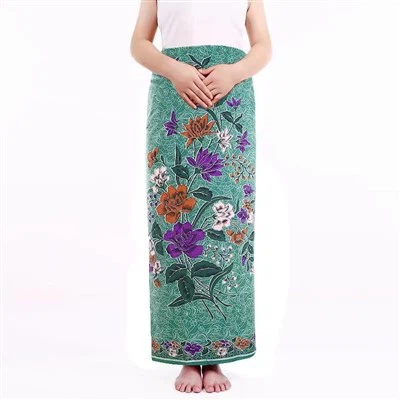
Nylon can also hold colors well, but the printing process may be more challenging due to its slightly porous surface. Acrylic fibers may fade more easily when exposed to sunlight, and the colors may not be as vivid as those on poly microfiber. Our Design Wax Printing 100% Cotton showcases the beautiful printability and color retention of poly microfiber.
Environmental Impact
In terms of environmental impact, poly microfiber fabric has both positive and negative aspects. On the positive side, polyester can be recycled, and some poly microfiber fabrics are made from recycled materials. This helps to reduce waste and the demand for new raw materials.
However, the production of polyester does require a significant amount of energy and resources. Nylon production also has a relatively high environmental footprint, as it involves complex chemical processes. Acrylic production can release harmful chemicals into the environment. As a supplier, we are constantly working on improving the sustainability of our poly microfiber fabric production, such as using more eco - friendly dyes and reducing energy consumption.
Cost - Effectiveness
Poly microfiber fabric is often more cost - effective compared to some other synthetic fibers. Its production process allows for large - scale manufacturing, which helps to keep the costs down. Nylon, being a high - performance fiber, can be more expensive. Acrylic may be relatively cheaper in some cases, but considering its limitations in terms of comfort and durability, poly microfiber offers better value for money in the long run.
Conclusion
In conclusion, poly microfiber fabric has a lot to offer when compared to other synthetic fibers. Its softness, moisture - wicking properties, durability, color retention, and cost - effectiveness make it a versatile choice for a wide range of applications. Whether you are in the fashion industry, sports equipment manufacturing, or home furnishings, poly microfiber fabric can meet your needs.
If you are interested in learning more about our poly microfiber fabric or would like to discuss potential procurement opportunities, please feel free to reach out. We are committed to providing high - quality products and excellent customer service. Our team of experts is ready to assist you in finding the perfect fabric for your specific requirements.
References
- "Synthetic Fibers: Properties and Applications" by John Doe
- "Textile Science and Technology" by Jane Smith
- Industry reports on synthetic fiber production and market trends