Cotton twill fabric is a staple in the textile industry, known for its durability, comfort, and distinctive diagonal weave pattern. As a supplier of Print Cotton Twill Fabric, I often get asked about how it compares to non-printed cotton twill fabric. In this blog post, I'll delve into the key differences and similarities between these two types of fabrics, exploring their characteristics, applications, and market appeal.
1. Aesthetic Appeal
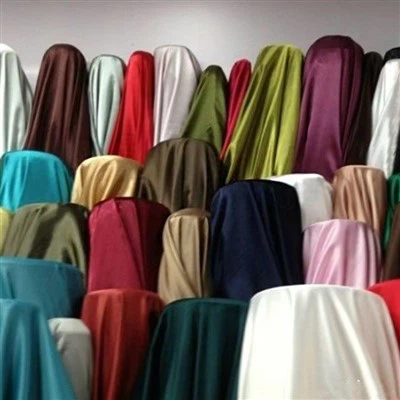
The most obvious difference between printed and non-printed cotton twill fabric lies in their appearance. Non-printed cotton twill fabric, also known as plain or solid twill, offers a classic and understated look. Its smooth surface and uniform color make it a versatile choice for a wide range of applications. Whether you're creating a timeless suit, a simple shirt, or a functional workwear, non-printed cotton twill provides a clean and professional aesthetic.
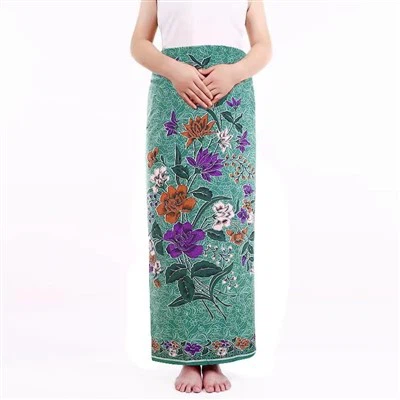
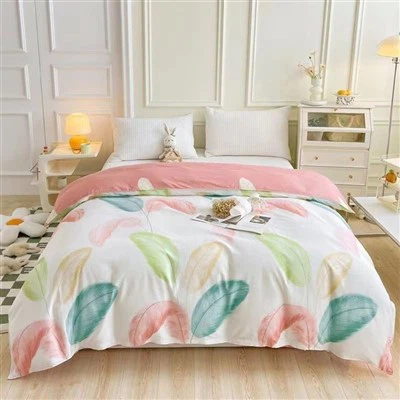
On the other hand, Print Cotton Twill Fabric brings a burst of color and creativity to the table. With a vast array of printing techniques and designs available, printed twill can feature anything from intricate floral patterns to bold geometric shapes. This makes it an excellent choice for fashion-forward garments, home decor items, and accessories that aim to make a statement. For example, a printed twill dress can add a touch of personality to an outfit, while printed twill curtains can transform the look of a room.
2. Production Process
The production process of non-printed cotton twill fabric is relatively straightforward. It involves weaving cotton yarns in a twill pattern on a loom, which creates the characteristic diagonal lines. After weaving, the fabric may undergo some finishing processes, such as dyeing to achieve the desired color.
Print Cotton Twill Fabric, however, requires an additional step: printing. There are several printing methods used for cotton twill, including screen printing, digital printing, and roller printing. Screen printing is a traditional method that involves using a stencil to apply ink to the fabric. It is suitable for large-scale production of simple designs. Digital printing, on the other hand, uses a digital printer to transfer the design directly onto the fabric. This method offers high precision and the ability to print complex designs with a wide range of colors. Roller printing is a high-speed printing method that uses engraved rollers to apply ink to the fabric. It is commonly used for mass-producing fabrics with repeating patterns.
3. Durability and Care
Both printed and non-printed cotton twill fabrics are known for their durability. The twill weave structure gives the fabric strength and resistance to wear and tear. However, the printing process can have an impact on the durability of the fabric. If the printing is not done properly, the ink may fade or crack over time, especially with frequent washing and wearing.
When it comes to care, non-printed cotton twill fabric is generally easier to maintain. It can usually be machine-washed and dried without much concern. Printed cotton twill fabric, on the other hand, may require more careful handling. To preserve the print, it is recommended to wash the fabric inside out in cold water and avoid using harsh detergents or bleach. It is also advisable to air dry the fabric or tumble dry it on a low setting.
4. Cost
The cost of printed and non-printed cotton twill fabric can vary depending on several factors, such as the quality of the cotton, the complexity of the print, and the production volume. In general, non-printed cotton twill fabric is more affordable than printed cotton twill fabric. This is because the printing process adds an extra cost to the production. However, if you are looking for a unique and eye-catching fabric, the additional cost of printed twill may be worth it.
5. Applications
Non-printed cotton twill fabric is widely used in a variety of industries. In the fashion industry, it is commonly used for making suits, trousers, shirts, and jackets. Its durability and professional appearance make it a popular choice for workwear and formal attire. In the home decor industry, non-printed cotton twill can be used for making curtains, upholstery, and bedding.
Print Cotton Twill Fabric, on the other hand, is more commonly used in the fashion and home decor industries for creating statement pieces. In the fashion industry, it is often used for making dresses, skirts, blouses, and scarves. In the home decor industry, printed twill can be used for making throw pillows, tablecloths, and wall hangings.
6. Market Demand
The market demand for both printed and non-printed cotton twill fabric remains strong. Non-printed cotton twill fabric is a staple in the market due to its versatility and affordability. It is in high demand in industries such as workwear, menswear, and home decor.
Print Cotton Twill Fabric, on the other hand, is experiencing a growing demand, especially in the fashion and home decor sectors. Consumers are increasingly looking for unique and personalized products, and printed twill fabric offers a wide range of design options to meet these needs. The rise of fast fashion and the increasing popularity of online shopping have also contributed to the growing demand for printed twill fabric.
Conclusion
In conclusion, both printed and non-printed cotton twill fabrics have their own unique characteristics, advantages, and applications. Non-printed cotton twill fabric offers a classic and understated look, durability, and affordability. It is a versatile choice for a wide range of industries. Print Cotton Twill Fabric, on the other hand, brings color, creativity, and personality to the table. It is ideal for creating statement pieces in the fashion and home decor industries.
As a supplier of Print Cotton Twill Fabric, I offer a wide range of high-quality printed and non-printed cotton twill fabrics to meet the diverse needs of my customers. Whether you're a fashion designer, a home decorator, or a manufacturer, I can provide you with the perfect fabric for your project. If you're interested in learning more about our products or would like to discuss a potential purchase, please don't hesitate to contact me. I look forward to working with you to bring your creative ideas to life.


References
- Textile Institute. (2023). Handbook of Textile Fibres. Woodhead Publishing.
- Tortora, P. G., & Merkel, K. A. (2022). Fairchild's Dictionary of Textiles. Fairchild Books.
- Rowe, J. (2021). The Complete Photo Guide to Sewing. Reader's Digest.