Hey there! As a supplier of Plain Dyed Polyester Fabric, I've been getting a lot of questions lately about how the thickness of this fabric affects its use. So, I thought I'd write this blog to share some insights based on my experience in the industry.
First off, let's talk about what we mean by the thickness of plain dyed polyester fabric. Thickness can be measured in different ways, like grams per square meter (GSM). A lower GSM means the fabric is thinner, while a higher GSM indicates a thicker fabric.
Thin Plain Dyed Polyester Fabric
Thin plain dyed polyester fabric, say with a GSM of around 50 - 100, has its own set of unique uses. One of the most common applications is in the fashion industry. It's great for making lightweight summer clothing, like blouses, shirts, and even some types of dresses. The thinness allows for better breathability, which is super important when it's hot outside. People don't want to feel all stuffy and sweaty, right?
Another advantage of thin polyester fabric is its drapability. It hangs nicely, giving clothing a more elegant and flowing look. Designers love this because it can add a touch of sophistication to their creations. For example, a thin, dyed polyester blouse can be paired with jeans for a casual yet stylish look, or dressed up with a skirt for a more formal occasion.
Thin polyester fabric is also a popular choice for lining. It can be used to line jackets, coats, and even handbags. The smooth texture of the fabric makes it easy to slide on and off, and it helps to protect the outer layer of the garment. Plus, it's relatively inexpensive compared to some other lining materials, which is a big plus for manufacturers.
If you're interested in thin plain dyed polyester fabric, you might also want to check out our Four Way Stretch Polyester Spandex Fabric. It combines the benefits of thin polyester with the stretchiness of spandex, making it perfect for activewear and form-fitting clothing.
Medium-Thickness Plain Dyed Polyester Fabric
Medium-thickness polyester fabric, with a GSM ranging from 100 - 200, has a wider range of uses. In the home decor industry, it's often used for making curtains and drapes. The medium thickness provides a good balance between light-blocking and privacy. You can still let in some natural light during the day, but at night, it can help to keep your room dark and private.
This type of fabric is also suitable for making tablecloths and napkins. It's durable enough to withstand regular use and washing, and it can add a nice touch of color and style to your dining area. Whether you're having a family dinner or hosting a party, a medium-thickness polyester tablecloth can make your table look more inviting.
In the fashion world, medium-thickness polyester fabric can be used to make pants, skirts, and some types of jackets. It's more structured than thin fabric, which gives the clothing a more defined shape. For example, a pair of polyester pants made from medium-thickness fabric can hold their shape well, even after hours of wear.
If you're looking for a customizable option, our Customizable Dye Fabric100% Polyester is a great choice. You can choose the color and pattern that best suits your needs, whether it's for home decor or fashion.
Thick Plain Dyed Polyester Fabric
Thick plain dyed polyester fabric, with a GSM above 200, is known for its durability and warmth. In the outdoor industry, it's often used for making tents, tarps, and backpacks. The thick fabric can withstand harsh weather conditions, like rain, wind, and even some sunlight. It's also resistant to tears and abrasions, which is important when you're using it in outdoor settings.
For winter clothing, thick polyester fabric is a great option. It can be used to make coats, jackets, and thermal underwear. The thickness provides excellent insulation, keeping you warm even in cold temperatures. Plus, polyester is water-resistant, which means it can keep you dry in wet weather.
In the furniture industry, thick polyester fabric is used for upholstery. It can cover sofas, chairs, and other furniture pieces, adding a layer of protection and style. The durability of the fabric ensures that it can withstand the wear and tear of daily use, and it can be easily cleaned and maintained.
If you're in the market for thick polyester fabric for your beds, take a look at our Bedsheet Dye Fabric. It's thick enough to provide a comfortable and warm sleeping surface, and it comes in a variety of colors to match your bedroom decor.
Factors to Consider When Choosing Thickness
When choosing the thickness of plain dyed polyester fabric for your project, there are a few factors you need to consider. First, think about the intended use. If you're making summer clothing, a thin fabric would be more appropriate. But if you're making winter gear or outdoor equipment, a thick fabric would be a better choice.
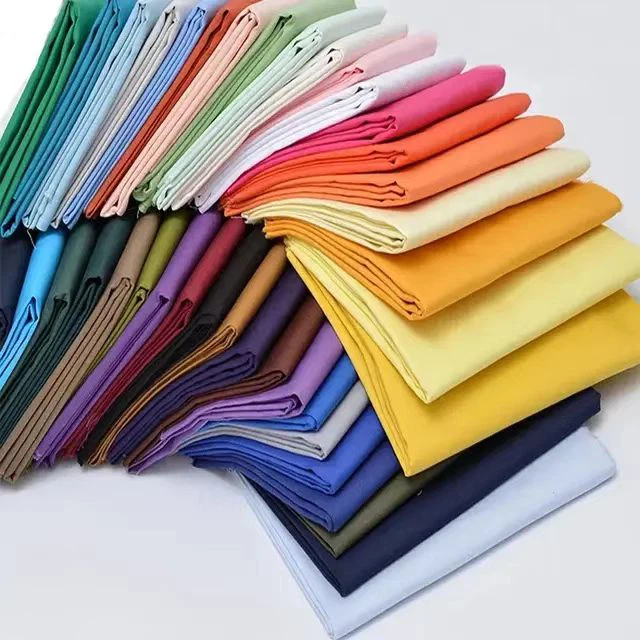

Another factor is the climate. If you live in a hot and humid area, you'll want a thinner, more breathable fabric. On the other hand, if you live in a cold and dry climate, a thicker, warmer fabric would be more suitable.
Cost is also an important consideration. Generally, thinner fabrics are less expensive than thicker ones. However, you need to balance the cost with the quality and the intended use. Sometimes, it's worth spending a little more on a thicker fabric if it will last longer and perform better.
Conclusion
As you can see, the thickness of plain dyed polyester fabric plays a crucial role in its use. Whether you're in the fashion, home decor, outdoor, or furniture industry, there's a thickness of polyester fabric that's right for your needs.
If you're interested in purchasing plain dyed polyester fabric, I'd love to have a chat with you. We can discuss your specific requirements, and I can help you choose the best fabric for your project. Just reach out to us, and we'll get the ball rolling.
References
- Textile Industry Handbook: A comprehensive guide to the properties and uses of different fabrics.
- Fashion Design Magazine: Articles on the latest trends and materials in the fashion industry.
- Home Decor Journal: Insights into the use of fabrics in home decor.