As a seasoned supplier of satin fabric, I've witnessed firsthand the numerous advantages that this luxurious material brings to various industries and applications. In this blog post, I'll delve into the key benefits of using satin fabric, from its aesthetic appeal to its practicality, and why it's a top choice for designers, manufacturers, and consumers alike.
Aesthetic Appeal
One of the most obvious advantages of satin fabric is its stunning visual appeal. Satin is known for its smooth, shiny surface that reflects light in a way that creates a luxurious and elegant look. The fabric's sheen gives it a sense of opulence and sophistication, making it a popular choice for formal wear, bridal gowns, and evening dresses. Whether it's a flowing satin gown or a sleek satin tie, the fabric adds a touch of glamour to any outfit.
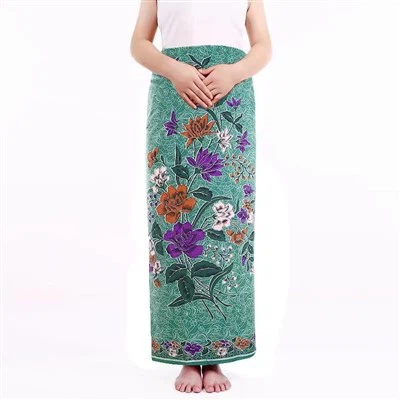
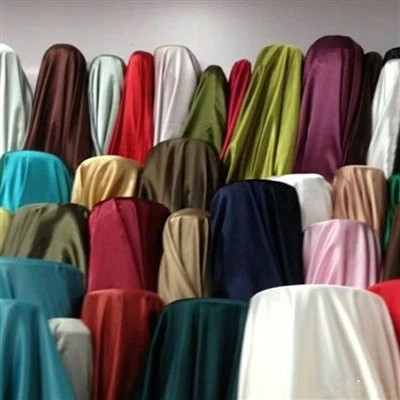
In addition to its shine, satin also comes in a wide range of colors and patterns, allowing for endless creative possibilities. From bold and vibrant hues to soft and muted tones, there's a satin fabric to suit every taste and style. The fabric's versatility makes it a favorite among designers, who can use it to create everything from classic and timeless designs to modern and trendy looks.
Comfort and Softness
Another major advantage of satin fabric is its exceptional comfort and softness. Satin is made from smooth fibers that glide over the skin, providing a luxurious and comfortable wearing experience. The fabric is also breathable, which means it allows air to circulate and helps to keep the body cool and dry. This makes satin a great choice for clothing items that are worn close to the skin, such as lingerie, nightwear, and sleepwear.
In addition to its comfort, satin is also hypoallergenic, which means it's less likely to cause allergic reactions or skin irritations. This makes it a suitable choice for people with sensitive skin or allergies. The fabric's softness and smoothness also make it gentle on the hair and skin, reducing the risk of frizz and damage.
Durability and Longevity
Despite its delicate appearance, satin fabric is surprisingly durable and long-lasting. Satin is made from strong fibers that are resistant to wear and tear, making it a great choice for clothing items that are worn frequently or subjected to heavy use. The fabric is also easy to care for, which means it can be machine washed and dried without losing its shape or color.


In addition to its durability, satin fabric is also resistant to wrinkles and creases, which means it looks great even after being packed or stored for long periods of time. This makes it a practical choice for travel clothing and other items that need to be kept looking neat and tidy.
Versatility
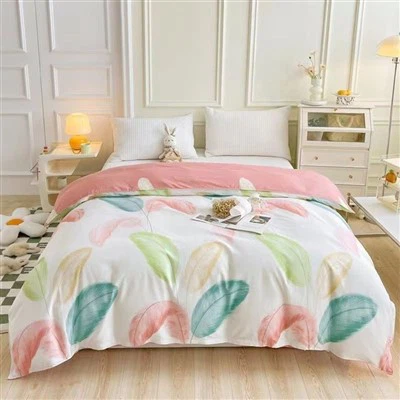
Satin fabric is incredibly versatile and can be used in a wide range of applications. In addition to clothing, satin is also commonly used in home decor, such as bedding, curtains, and upholstery. The fabric's luxurious look and feel add a touch of elegance and sophistication to any room, making it a popular choice for interior designers and homeowners alike.
Satin is also used in the manufacturing of accessories, such as handbags, wallets, and belts. The fabric's smooth surface and shiny finish make it a great choice for adding a touch of glamour to these items. In addition, satin is also used in the production of costumes, theatrical props, and other specialty items.
Cost-Effectiveness
While satin fabric is often associated with luxury and high-end fashion, it can also be a cost-effective choice for many applications. Satin is available in a range of prices, depending on the quality and type of fabric. There are also many synthetic satin fabrics available that are more affordable than natural silk satin, but still offer many of the same benefits.
In addition to its affordability, satin fabric is also a great investment because it lasts a long time. The fabric's durability and resistance to wear and tear mean that it can be worn for many years without needing to be replaced. This makes it a cost-effective choice for clothing items that are worn frequently or for special occasions.
Easy to Work With
Satin fabric is relatively easy to work with, making it a popular choice for designers and sewers. The fabric's smooth surface and even weave make it easy to cut and sew, and it doesn't fray easily. This means that it can be used to create a variety of different styles and designs, from simple and basic garments to complex and intricate pieces.
In addition to its ease of use, satin fabric also drapes well, which means it falls smoothly and gracefully over the body. This makes it a great choice for creating flowing and elegant designs, such as dresses, skirts, and scarves. The fabric's versatility and ease of use make it a favorite among designers and sewers of all skill levels.
Conclusion
In conclusion, satin fabric offers a wide range of advantages that make it a top choice for designers, manufacturers, and consumers alike. From its stunning aesthetic appeal to its exceptional comfort and softness, satin fabric is a luxurious and versatile material that can be used in a variety of applications. Whether you're looking for a fabric for clothing, home decor, or accessories, satin is a great choice that offers both style and practicality.
If you're interested in learning more about our satin fabric products or would like to discuss your specific needs and requirements, please don't hesitate to contact us. We're a leading supplier of high-quality satin fabric, and we're committed to providing our customers with the best possible products and services. You can explore our range of satin fabrics by visiting these links: Satin Fabric Silky Fabric, Silk Satin Fabric Stretch, and Elastic Satin Fabric. We look forward to hearing from you and working with you to find the perfect satin fabric for your project.
References
- Textile Institute. (2023). Satin Weave. Retrieved from https://www.textileinstitute.org/
- Fashion Institute of Technology. (2023). Satin Fabric. Retrieved from https://www.fitnyc.edu/
- International Silk Association. (2023). Silk Satin: Properties and Uses. Retrieved from https://www.silk.org/