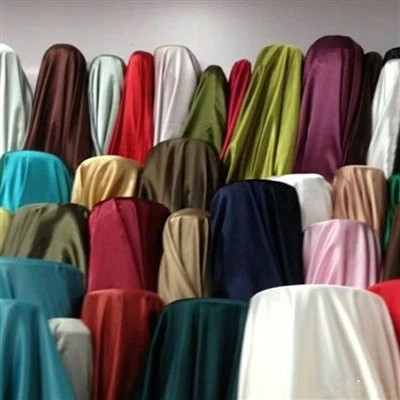
As a seasoned supplier of satin fabric, I've witnessed firsthand the allure and elegance that this luxurious material brings to various applications. Satin fabric, with its smooth texture and lustrous sheen, is a popular choice for bridal wear, evening gowns, lingerie, and home decor. However, to maintain its beauty and longevity, proper care is essential. In this blog post, I'll share some expert tips on how to care for satin fabric, ensuring that your satin pieces remain in pristine condition for years to come.
Understanding Satin Fabric
Before delving into the care instructions, it's important to understand the different types of satin fabric. Satin is a weave rather than a fiber, characterized by a smooth, shiny surface on one side and a duller finish on the other. The most common fibers used to make satin include silk, polyester, and acetate. Each type of satin has its own unique properties and care requirements.
- Silk Satin: Made from natural silk fibers, silk satin is the most luxurious and delicate type of satin. It has a soft, smooth texture and a natural sheen that gives it a regal appearance. Silk satin is breathable and hypoallergenic, making it ideal for clothing and bedding. However, it is also more prone to damage and requires special care.
- Polyester Satin: Polyester satin is a synthetic alternative to silk satin. It is more affordable, durable, and easy to care for. Polyester satin has a similar appearance and feel to silk satin, but it lacks the natural breathability and hypoallergenic properties. It is commonly used in fashion, home decor, and upholstery. You can explore our range of Polyester Satin Fabrics for various applications.
- Acetate Satin: Acetate satin is a semi-synthetic fabric made from cellulose fibers. It has a soft, smooth texture and a shiny finish that resembles silk. Acetate satin is more affordable than silk satin and is often used in bridal wear, evening gowns, and lingerie. It is also more resistant to wrinkles and shrinkage than silk satin, but it requires careful handling. We also offer Imitation Acetate Satin Fabric for those looking for a budget-friendly option.
General Care Tips for Satin Fabric
Regardless of the type of satin fabric you have, there are some general care tips that apply to all satin items. These tips will help you keep your satin fabric looking its best and prevent damage.
- Read the Care Label: Always check the care label on your satin item before washing or cleaning it. The care label will provide specific instructions on how to care for the fabric, including the recommended washing temperature, detergent type, and drying method. Follow these instructions carefully to avoid damaging the fabric.
- Handle with Care: Satin fabric is delicate and can be easily damaged by rough handling. When handling satin items, be gentle and avoid pulling, stretching, or snagging the fabric. Use a soft brush or cloth to remove any dirt or stains, and avoid using abrasive cleaners or chemicals.
- Store Properly: Proper storage is essential for maintaining the quality of your satin fabric. When not in use, store your satin items in a cool, dry place away from direct sunlight. Avoid hanging satin items on wire hangers, as they can leave marks on the fabric. Instead, use padded hangers or fold the items neatly and store them in a drawer or closet.
- Avoid Excessive Heat: Satin fabric is sensitive to heat and can be damaged by high temperatures. Avoid exposing satin items to direct sunlight, hot irons, or dryers. If you need to iron your satin fabric, use a low heat setting and place a pressing cloth between the iron and the fabric to prevent scorching.
Washing Satin Fabric
Washing satin fabric requires special care to avoid damaging the fabric. The following steps will guide you through the process of washing satin fabric safely and effectively.
- Pre-Treat Stains: Before washing your satin item, check for any stains and pre-treat them as needed. Use a mild detergent or stain remover and apply it directly to the stain. Gently rub the stain with a soft brush or cloth, being careful not to damage the fabric. Rinse the area thoroughly with cold water to remove the detergent or stain remover.
- Choose the Right Detergent: When washing satin fabric, it's important to use a mild detergent that is specifically formulated for delicate fabrics. Avoid using harsh detergents, bleach, or fabric softeners, as they can damage the fabric and cause it to lose its shine. Look for a detergent that is labeled "gentle" or "for delicate fabrics."
- Wash in Cold Water: Satin fabric should be washed in cold water to prevent shrinkage, fading, and damage. Set your washing machine to the gentle cycle and use the lowest water temperature setting. Avoid overloading the washing machine, as this can cause the fabric to rub against each other and become damaged.
- Avoid Agitation: Satin fabric is delicate and can be easily damaged by agitation. To prevent damage, avoid using the spin cycle on your washing machine. Instead, gently squeeze the excess water out of the fabric by hand or use a towel to blot the water.
- Dry Flat or Hang to Dry: After washing, it's important to dry your satin item properly to prevent wrinkles and damage. Avoid using a dryer, as the high heat can shrink and damage the fabric. Instead, lay the item flat on a clean towel or hang it to dry in a cool, dry place away from direct sunlight.
Ironing Satin Fabric
Ironing satin fabric can be tricky, as it requires a delicate touch to avoid damaging the fabric. The following steps will guide you through the process of ironing satin fabric safely and effectively.
- Test a Small Area First: Before ironing your entire satin item, test a small, inconspicuous area first to make sure the iron doesn't damage the fabric. Set your iron to the lowest heat setting and place a pressing cloth between the iron and the fabric. Gently press the iron on the test area for a few seconds and check for any signs of damage, such as discoloration or scorching.
- Use a Pressing Cloth: To prevent the iron from directly contacting the satin fabric, always use a pressing cloth. A pressing cloth can be a clean, white cotton cloth or a piece of muslin. Place the pressing cloth over the satin fabric and iron over it. This will protect the fabric from the heat and prevent it from sticking to the iron.
- Iron on the Reverse Side: To further protect the satin fabric, iron it on the reverse side. This will prevent the shiny surface of the fabric from being damaged by the iron. If you need to iron the front side of the fabric, make sure to use a pressing cloth and iron gently.
- Use a Low Heat Setting: Satin fabric is sensitive to heat and can be damaged by high temperatures. Set your iron to the lowest heat setting and avoid using steam, as the moisture can cause the fabric to wrinkle and lose its shine. If you need to use steam, use it sparingly and make sure the iron is not too close to the fabric.
Removing Stains from Satin Fabric
Stains on satin fabric can be challenging to remove, but with the right approach, you can effectively clean them without damaging the fabric. The following tips will help you remove common stains from satin fabric.
- Water-Based Stains: For water-based stains, such as coffee, tea, or juice, start by blotting the stain with a clean, white cloth or paper towel to remove as much of the liquid as possible. Then, mix a small amount of mild detergent with cold water and gently dab the stain with the solution using a soft brush or cloth. Rinse the area thoroughly with cold water and blot dry.
- Oil-Based Stains: Oil-based stains, such as grease, makeup, or food oil, can be more difficult to remove. Start by blotting the stain with a clean, white cloth or paper towel to remove as much of the oil as possible. Then, sprinkle a small amount of cornstarch or talcum powder on the stain and let it sit for a few minutes to absorb the oil. Brush off the powder and repeat the process if necessary. If the stain persists, you can try using a mild solvent, such as rubbing alcohol or white vinegar. Apply a small amount of the solvent to a clean, white cloth and gently dab the stain. Rinse the area thoroughly with cold water and blot dry.
- Blood Stains: Blood stains on satin fabric should be treated as soon as possible. Rinse the stain under cold water to remove as much of the blood as possible. Then, mix a small amount of hydrogen peroxide with cold water and apply the solution to the stain using a soft brush or cloth. Let the solution sit on the stain for a few minutes, then rinse the area thoroughly with cold water and blot dry.
- Ink Stains: Ink stains on satin fabric can be challenging to remove. Start by blotting the stain with a clean, white cloth or paper towel to remove as much of the ink as possible. Then, mix a small amount of rubbing alcohol with cold water and apply the solution to the stain using a soft brush or cloth. Let the solution sit on the stain for a few minutes, then rinse the area thoroughly with cold water and blot dry. If the stain persists, you can try using a commercial ink remover, but make sure to test it on a small, inconspicuous area first to make sure it doesn't damage the fabric.
Conclusion
Caring for satin fabric requires a delicate touch and attention to detail. By following the tips and guidelines outlined in this blog post, you can keep your satin items looking their best and ensure that they last for years to come. Whether you're a bride-to-be looking for the perfect Bridal Satin gown or a homeowner looking to add a touch of luxury to your home decor, our range of satin fabrics is sure to meet your needs.
If you have any questions or need further advice on caring for satin fabric, or if you're interested in purchasing our high-quality satin fabrics, please don't hesitate to contact us. We're here to help you make the most of your satin pieces and ensure your satisfaction.


References
- Textile Institute. (2018). Handbook of Textile Fibre Structure. Woodhead Publishing.
- Vigo, T. L. (2018). Textile Processing and Properties: Preparation, Dyeing, Printing, Finishing, and Performance. Elsevier.