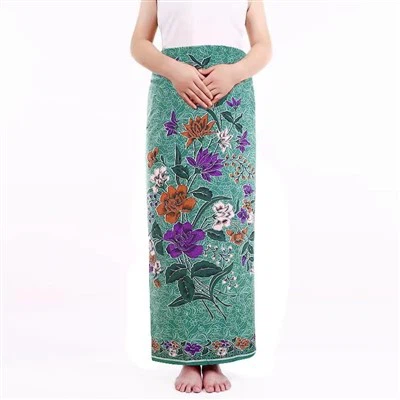
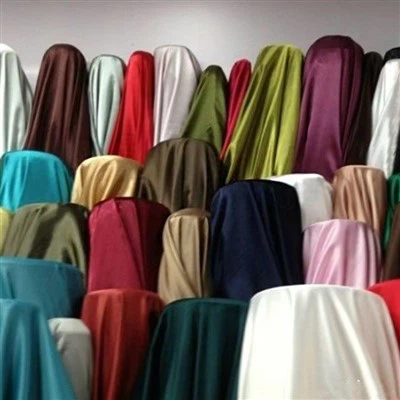
Poly microfiber fabric is a popular choice in the textile industry due to its softness, durability, and versatility. As a leading supplier of poly microfiber fabric, we understand that maintaining the quality of this fabric after exposure to chlorine is crucial for our customers. Chlorine, commonly found in swimming pools and some cleaning products, can have detrimental effects on poly microfiber fabric if not properly addressed. In this blog post, we will explore effective ways to maintain poly microfiber fabric after it has come into contact with chlorine.
Understanding the Impact of Chlorine on Poly Microfiber Fabric
Before delving into the maintenance methods, it's important to understand how chlorine affects poly microfiber fabric. Chlorine is a powerful oxidizing agent that can break down the chemical bonds in the fabric fibers. This can lead to several issues, including color fading, weakening of the fabric structure, and loss of softness. Over time, repeated exposure to chlorine can significantly reduce the lifespan of the fabric.
Immediate Actions After Chlorine Exposure
The first step in maintaining poly microfiber fabric after chlorine exposure is to take immediate action. As soon as the fabric comes into contact with chlorine, it should be rinsed thoroughly with clean water. This helps to remove as much chlorine as possible from the fabric surface and prevent further damage.
- Rinse with Cold Water: Use cold water to rinse the fabric. Hot water can accelerate the chemical reaction between chlorine and the fabric, causing more damage. Gently agitate the fabric in the water to ensure that all areas are rinsed.
- Do Not Wring or Twist: Avoid wringing or twisting the fabric, as this can cause stretching and damage to the fibers. Instead, gently squeeze out the excess water.
Washing the Fabric
After rinsing, the next step is to wash the fabric properly. This helps to remove any remaining chlorine and restore the fabric's quality.
- Choose a Mild Detergent: Select a mild, chlorine - free detergent. Harsh detergents can further damage the fabric, especially after it has been exposed to chlorine. Look for detergents that are specifically formulated for delicate fabrics.
- Use the Gentle Cycle: Set your washing machine to the gentle cycle. This reduces the mechanical stress on the fabric and minimizes the risk of damage. If you prefer hand - washing, be gentle when agitating the fabric in the detergent solution.
- Wash in Cold Water: Continue to use cold water for the wash cycle. Cold water is less likely to cause shrinkage or color bleeding in the poly microfiber fabric.
Drying the Fabric
Proper drying is also essential for maintaining the fabric's quality after chlorine exposure.
- Air Drying: Air drying is the best option for poly microfiber fabric. Hang the fabric in a shaded area to dry. Direct sunlight can cause further fading and damage to the fabric, especially after it has been exposed to chlorine.
- Avoid High - Heat Drying: If you need to use a dryer, set it to the lowest heat setting. High - heat drying can cause the fabric to shrink, become brittle, and lose its softness.
Special Considerations for Different Products
As a poly microfiber fabric supplier, we offer a wide range of products, including Disperse Printed Sarong, Pigment Print Bedsheet Fabric, and Pigment Print Polyester Bedding Set. Each of these products may require slightly different maintenance approaches.
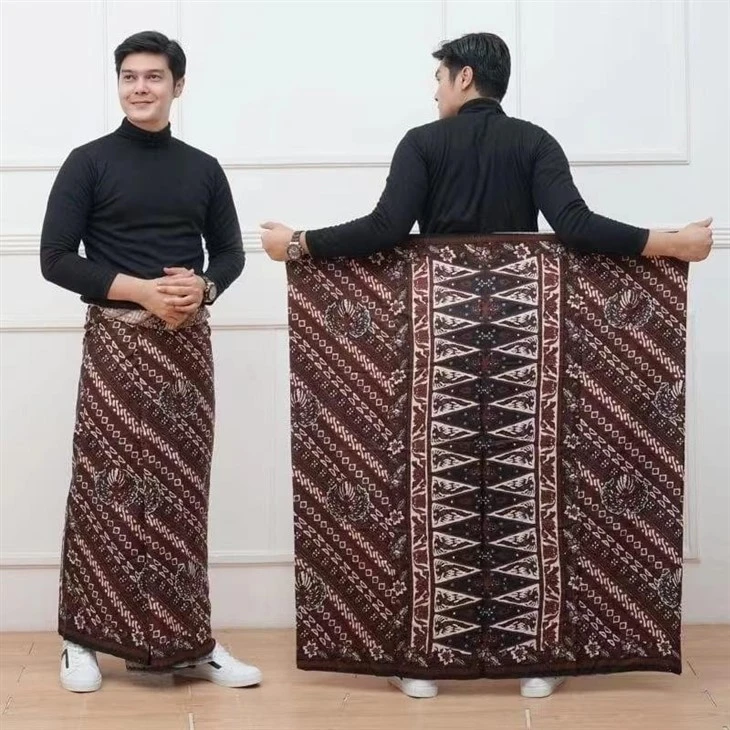
- Disperse Printed Sarong: The disperse printing on the sarong is sensitive to chlorine. After chlorine exposure, pay extra attention to rinsing and washing to prevent color fading. Avoid using harsh chemicals or abrasive materials when cleaning the sarong.
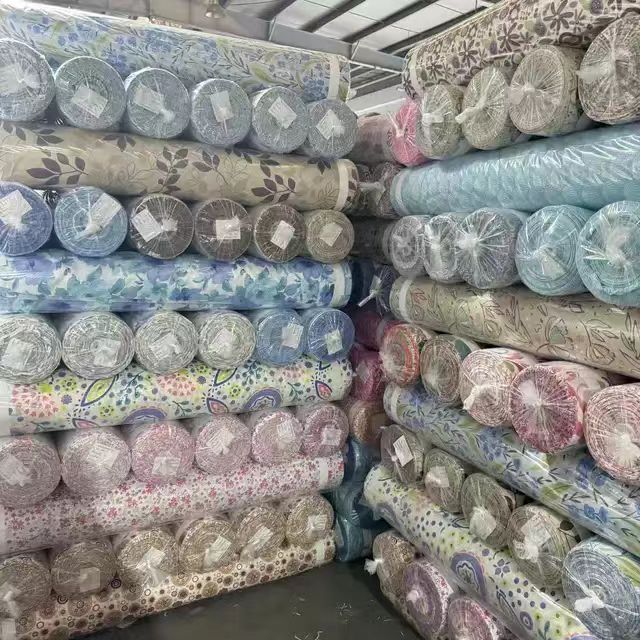
- Pigment Print Bedsheet Fabric: Pigment print bedsheet fabric should be washed separately to prevent color transfer. When drying, make sure to smooth out the fabric to avoid wrinkles. This helps to maintain the appearance of the pigment print.
- Pigment Print Polyester Bedding Set: The bedding set consists of multiple pieces, so it's important to ensure that all components are washed and dried evenly. Check for any signs of chlorine damage, such as discoloration or weakening of the fabric, and take appropriate measures to address them.
Preventive Measures
In addition to the maintenance steps after chlorine exposure, there are also some preventive measures that can be taken to reduce the risk of damage.
- Pre - Treat the Fabric: There are fabric protectors available in the market that can be applied to poly microfiber fabric before chlorine exposure. These protectors create a barrier on the fabric surface, reducing the contact between chlorine and the fabric.
- Limit Chlorine Exposure: Whenever possible, limit the fabric's exposure to chlorine. For example, if you are using poly microfiber towels at the pool, have a separate set of towels for non - pool use.
Long - Term Storage
If you need to store poly microfiber fabric for an extended period, proper storage is crucial to maintain its quality.
- Clean the Fabric Before Storage: Make sure the fabric is clean and completely dry before storing it. Any remaining chlorine or moisture can cause mold growth and damage the fabric over time.
- Store in a Cool, Dry Place: Choose a cool, dry place to store the fabric. Avoid storing it in areas with high humidity or direct sunlight. You can also use a breathable storage bag to protect the fabric from dust and pests.
Conclusion
Maintaining poly microfiber fabric after exposure to chlorine is essential for preserving its quality and extending its lifespan. By following the steps outlined in this blog post, including immediate rinsing, proper washing, careful drying, and taking preventive measures, you can ensure that your poly microfiber fabric remains in excellent condition.
As a reliable poly microfiber fabric supplier, we are committed to providing high - quality products and valuable information to our customers. If you have any questions about poly microfiber fabric maintenance or are interested in purchasing our products, please feel free to contact us for further discussion and procurement negotiation. We look forward to serving you and meeting your fabric needs.
References
- Textile Chemistry and Coloration, Third Edition, by Felix Hauser
- Handbook of Fiber Science and Technology, Volume 1: High - Performance Fibers, by Menachem Lewin and Eli M. Pearce