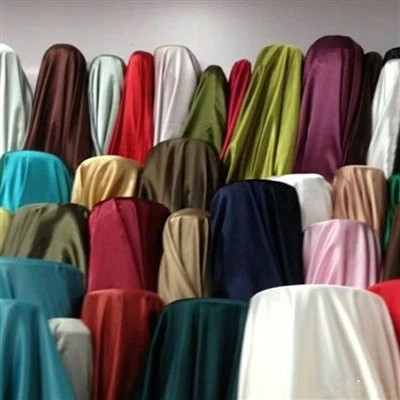
As a trusted supplier of Elastic Satin Fabric, I understand the significance of maintaining the smooth surface of this exquisite material. Elastic satin fabric is renowned for its luxurious sheen, soft texture, and excellent elasticity, making it a popular choice for a wide range of applications, from fashion and lingerie to home decor and upholstery. However, like any high - quality fabric, it requires proper care to preserve its smoothness and overall appeal. In this blog, I will share some valuable tips on how to keep the surface of elastic satin fabric smooth.
Understanding Elastic Satin Fabric
Before delving into the care methods, it's essential to understand the nature of elastic satin fabric. Elastic satin is typically made from a blend of synthetic fibers such as polyester, nylon, or spandex, which provide the fabric with its stretch and recovery properties. The satin weave, characterized by a smooth, shiny surface on one side and a duller surface on the other, gives the fabric its distinctive look.
The smooth surface of elastic satin is one of its most attractive features, but it can be easily damaged by improper handling, washing, or storage. Factors such as friction, heat, and harsh chemicals can cause the fabric to lose its luster, develop wrinkles, or even become pilled. Therefore, a gentle and appropriate approach is crucial to maintain its smoothness.
Proper Handling
One of the first steps in keeping the surface of elastic satin fabric smooth is to handle it with care. When working with the fabric, make sure your hands are clean and dry to avoid transferring dirt, oils, or moisture onto the surface. Avoid dragging the fabric across rough surfaces or sharp edges, as this can cause snags and abrasions.


When cutting the fabric, use sharp, clean scissors or a rotary cutter to ensure a clean cut. Dull blades can cause fraying and uneven edges, which may affect the smoothness of the fabric. Additionally, when pinning the fabric, use fine - tipped pins and place them carefully to minimize holes and damage to the surface.
Washing and Drying
Washing is a critical aspect of fabric care, and it's especially important for elastic satin fabric. To keep the surface smooth, always follow the care instructions on the fabric label. In general, it's recommended to hand - wash elastic satin fabric in cool or lukewarm water using a mild, gentle detergent. Avoid using harsh detergents, bleach, or fabric softeners, as these can damage the fabric fibers and cause the surface to lose its shine.
Gently agitate the fabric in the water, being careful not to rub or wring it too vigorously. After washing, rinse the fabric thoroughly to remove all traces of detergent. To dry the fabric, gently squeeze out the excess water without wringing. Lay the fabric flat on a clean, dry towel and roll it up to absorb more water. Then, lay the fabric flat to dry in a well - ventilated area away from direct sunlight and heat sources. Hanging the fabric to dry can cause it to stretch and develop wrinkles, so it's best to avoid this method.
Ironing
If your elastic satin fabric has developed wrinkles, ironing can be used to smooth them out. However, it's important to iron the fabric correctly to avoid damaging the surface. Set your iron to a low or medium heat setting and use a pressing cloth to protect the fabric from direct contact with the iron.
Place the pressing cloth over the fabric and gently press the iron onto the cloth. Do not slide the iron back and forth on the fabric, as this can cause friction and damage the surface. Instead, lift and re - position the iron as needed. If the fabric is particularly wrinkled, you can use a steam iron, but be careful not to over - steam the fabric, as excessive moisture can also cause damage.
Storage
Proper storage is also essential for maintaining the smoothness of elastic satin fabric. When storing the fabric, roll it up instead of folding it to prevent creases. Use a clean, acid - free paper or muslin cloth to wrap the fabric and protect it from dust and dirt.
Store the fabric in a cool, dry place away from direct sunlight and heat. Avoid storing the fabric in plastic bags, as this can trap moisture and cause mildew. If possible, store the fabric in a fabric storage container or a closet with good air circulation.
Special Considerations for Different Types of Elastic Satin
There are various types of elastic satin fabrics available in the market, each with its own unique characteristics. For example, Bridal Satin is often used for wedding dresses and formal wear. It usually has a high sheen and a more delicate texture. When caring for bridal satin, extra care should be taken during handling, washing, and storage.
American Satin is another popular type of satin fabric known for its durability and versatility. While it may be slightly more robust than bridal satin, it still requires proper care to maintain its smooth surface.
Imitation Acetate Satin Fabric is a cost - effective alternative to real acetate satin. It has a similar look and feel but may be more sensitive to heat and chemicals. Therefore, when caring for this type of fabric, it's important to follow the specific care instructions provided.
Conclusion
In conclusion, keeping the surface of elastic satin fabric smooth requires a combination of proper handling, washing, drying, ironing, and storage. By following these tips and using a gentle approach, you can ensure that your elastic satin fabric retains its luxurious smoothness and luster for a long time.
As a supplier of Elastic Satin Fabric, I am committed to providing high - quality products and sharing valuable knowledge about fabric care. If you are interested in purchasing our elastic satin fabric or have any questions about fabric care, please feel free to contact us for a detailed discussion. We look forward to serving you and helping you achieve the best results with our products.
References
- Textile Institute. "Handbook of Textile Fibre Structure." Woodhead Publishing, 2011.
- Bolton, Peter. "Fabric Care Guide." Home Textiles Today, 2015.