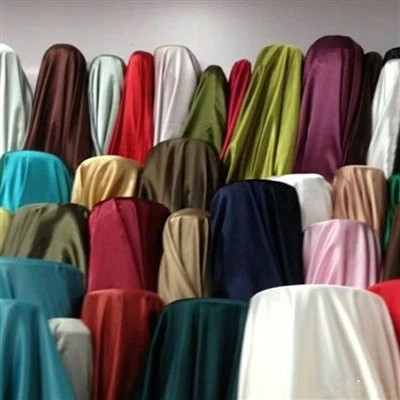
Hey there, fabric enthusiasts! I'm stoked to share with you all the ins and outs of dyeing fabric to achieve that mind - blowing holographic effect. As a dyed fabric supplier, I've spent a ton of time experimenting with different techniques and materials, and I'm excited to pass on my knowledge.
Why Go for a Holographic Effect?
First off, let's talk about why you'd even want a holographic fabric. It's not just for the sci - fi geeks (although we love them too). Holographic fabrics are super trendy right now. They add a unique, eye - catching element to any project, whether it's a piece of clothing, a home decor item, or a stage prop. The way the colors shift and change in the light is just mesmerizing.
Choosing the Right Fabric
The fabric you choose is crucial. Not all fabrics will take the dye in the same way, and some are better suited for a holographic effect than others.
- Polyester: Polyester is a great choice. It's synthetic, so it holds dye well and has a smooth surface that can really show off the holographic colors. We offer some amazing options like the Plain White Polyester Pocket Fabric. This fabric is a blank canvas, ready for you to transform into a holographic masterpiece.
- Polyester Spandex Blend: If you need some stretch in your fabric, a polyester spandex blend is the way to go. Our Four Way Stretch Polyester Spandex Garment Fabric is perfect for making clothes that move with you while still looking awesome with a holographic finish.
- Pocket Lining Fabric: For a more delicate look, our Optical White Pocket Lining Fabric can be a great base. It's lightweight and can add a subtle holographic touch to your projects.
Getting Your Supplies
Once you've picked your fabric, it's time to gather your supplies. Here's what you'll need:
- Dye: You'll need a special type of dye that can create the holographic effect. There are a few brands out there that make holographic dyes. Look for ones that are designed for the type of fabric you're using (e.g., polyester dyes for polyester fabric).
- Mixing Containers: You'll need some containers to mix your dye in. Make sure they're clean and big enough to hold the amount of dye you need.
- Brushes or Spray Bottles: Depending on the technique you choose, you'll need either brushes or spray bottles to apply the dye. Brushes are great for more detailed work, while spray bottles can give you a more even, spread - out effect.
- Protective Gear: Don't forget to protect yourself! Wear gloves, an apron, and safety glasses to avoid getting dye on your skin or in your eyes.
Preparing the Fabric
Before you start dyeing, you need to prepare the fabric. Here's how:
- Wash the Fabric: Wash the fabric in warm water with a mild detergent to remove any dirt, oils, or sizing. Rinse it thoroughly and let it dry completely. This will help the dye adhere better to the fabric.
- Iron the Fabric: Once the fabric is dry, iron it to get rid of any wrinkles. A smooth surface will make the dye application much easier and the holographic effect more even.
Dyeing Techniques
Brush Method
- Mix the Dye: Follow the instructions on the dye package to mix the holographic dye. You can adjust the color intensity by adding more or less water.
- Apply the Dye: Dip your brush into the dye and start applying it to the fabric. You can create different patterns by using different brush strokes. For example, you can make swirls, stripes, or dots. Let the first layer of dye dry completely before adding more layers for a more intense effect.
Spray Method
- Fill the Spray Bottle: Pour the mixed dye into a spray bottle. Make sure the nozzle is clean and working properly.
- Spray the Fabric: Hold the spray bottle about 6 - 8 inches away from the fabric and start spraying. Move the bottle in a smooth, even motion to cover the fabric evenly. You can overlap the spray to create a more blended look. Let the fabric dry between coats if you want to build up the color.
Setting the Dye
After you've applied the dye and it's dry, you need to set it to make sure the color doesn't fade or wash out. Here's how:
- Heat Setting: You can use a household iron or a heat press. If you're using an iron, set it to the appropriate temperature for your fabric (usually a medium - high heat for polyester). Place a piece of parchment paper over the dyed fabric and iron it for a few minutes. Make sure to cover the entire area. If you have a heat press, follow the manufacturer's instructions for the correct temperature and time.
- Washing Test: Once you've heat - set the dye, do a quick washing test. Wash the fabric in cold water with a mild detergent. If the color doesn't bleed, then the dye is set properly.
Troubleshooting
Sometimes, things don't go as planned. Here are some common problems and how to fix them:


- Uneven Color: If you notice that the color is uneven, you can try applying another layer of dye to the lighter areas. Make sure to blend it in well with the existing color.
- Dye Bleeding: If the dye is bleeding, it might not be set properly. Try heat - setting it again or using a fabric fixative. You can find fabric fixatives at most craft stores.
Final Thoughts
Dyeing fabric to create a holographic effect is a fun and rewarding process. With the right fabric, supplies, and techniques, you can create some truly amazing pieces. And as a dyed fabric supplier, I'm here to help you every step of the way. Whether you're a DIY enthusiast or a professional designer, we have the fabrics you need to bring your holographic dreams to life.
If you're interested in purchasing our fabrics for your holographic projects, or if you have any questions about the dyeing process, don't hesitate to reach out. We're always happy to chat and help you with your fabric needs. Let's create something awesome together!
References
- Fabric Dyeing Basics: A Guide for Beginners. Craft Magazine.
- Holographic Effects in Textiles. Textile Research Journal.