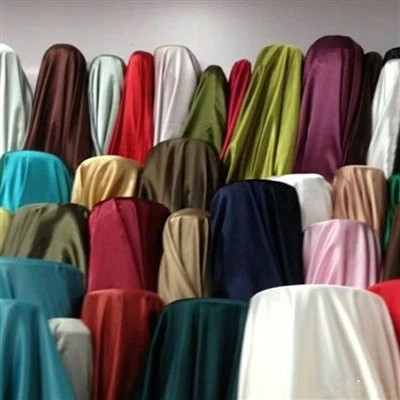
Static electricity is a common nuisance in the textile world, often causing fabrics to cling, attract dust, and even create small shocks. As a supplier of Shiny Satin Fabric, I've been frequently asked whether our product is resistant to static. In this blog post, I'll delve into the science behind static electricity in fabrics, examine the properties of Shiny Satin Fabric, and provide a clear answer to this question.
Understanding Static Electricity in Fabrics
Static electricity occurs when two different materials come into contact and then separate, causing electrons to transfer from one material to the other. This creates an imbalance of electric charges, with one material becoming positively charged and the other negatively charged. When these charged materials are in close proximity, they can attract or repel each other, leading to the characteristic "cling" associated with static electricity.
Several factors influence the likelihood of static electricity forming in fabrics. These include the type of fibers used, the humidity level, and the friction between the fabric and other surfaces. Synthetic fibers, such as polyester and nylon, are more prone to static buildup than natural fibers like cotton and silk because they have a higher tendency to lose or gain electrons. Low humidity levels also contribute to static electricity, as dry air allows charges to accumulate more easily.


Properties of Shiny Satin Fabric
Shiny Satin Fabric is known for its smooth, lustrous surface and elegant drape. It can be made from a variety of fibers, including silk, polyester, and acetate. Each type of fiber imparts different properties to the satin fabric, which in turn affects its resistance to static electricity.
- Silk Satin: Silk is a natural protein fiber that has excellent moisture - absorbing properties. It can absorb up to 30% of its weight in moisture without feeling wet. This high moisture content helps to conduct electricity away from the fabric, reducing the likelihood of static buildup. Silk satin is generally less prone to static than synthetic satins, especially in normal humidity conditions.
- Polyester Satin: Polyester is a synthetic fiber that is widely used in satin fabric production due to its durability, wrinkle - resistance, and affordability. However, polyester has a low moisture - absorbing capacity, which makes it more susceptible to static electricity. Polyester satin can generate a significant amount of static, especially in dry environments.
- Acetate Satin: Acetate is a semi - synthetic fiber that has some properties similar to silk. It has better moisture absorption than polyester but less than silk. Acetate satin is also less likely to generate static compared to polyester satin, but it may still experience some static issues in low - humidity conditions.
Resistance of Shiny Satin Fabric to Static
The resistance of Shiny Satin Fabric to static depends largely on the fiber content. As mentioned earlier, silk satin has the best static - resistance among the different types of satin fabrics. It can maintain a relatively balanced charge due to its moisture - absorbing properties, which help to dissipate static electricity.
Polyester satin, on the other hand, is more likely to develop static. However, there are ways to reduce static in polyester satin. For example, fabric manufacturers can treat the polyester fibers with anti - static agents during the production process. These agents work by creating a thin layer on the fiber surface that helps to conduct electricity and prevent charge buildup. Some polyester satin fabrics are also blended with natural fibers like cotton or silk to improve their static - resistance.
Acetate satin falls somewhere in between silk and polyester in terms of static resistance. It is a good option for those who want a more affordable alternative to silk satin with relatively low static issues. If you're interested in our acetate - based satin, you can check out our Imitation Acetate Satin Fabric.
Other Factors Affecting Static in Shiny Satin Fabric
In addition to fiber content, other factors can influence the static behavior of Shiny Satin Fabric.
- Humidity: As previously discussed, humidity plays a crucial role in static electricity. In high - humidity environments, the moisture in the air helps to neutralize the charges on the fabric surface. You can use a humidifier in your home or workplace to increase the humidity and reduce static in your satin fabrics.
- Friction: Friction between the satin fabric and other surfaces can also generate static. For example, when you walk, the friction between your satin clothing and your body or other clothing layers can cause static buildup. To minimize friction, you can choose loose - fitting satin garments or wear a layer of natural fiber clothing underneath the satin.
- Finishing Treatments: The finishing treatments applied to the satin fabric can affect its static resistance. Some finishing processes can enhance the fabric's conductivity or moisture - absorption, thereby reducing static. For example, anti - static finishes can be applied to the fabric after weaving to improve its performance.
Different Types of Shiny Satin Fabric and Their Static Resistance
We offer a wide range of Shiny Satin Fabric, each with its own characteristics and static - resistance levels.
- American Satin: Our American Satin is often made from polyester, which means it may be more prone to static. However, we use advanced anti - static treatments during the manufacturing process to minimize static issues. This type of satin is popular for its durability and affordability, making it suitable for a variety of applications, from clothing to home decor.
- Bridal Satin: Bridal Satin is typically made from high - quality silk or a blend of silk and other fibers. Silk bridal satin has excellent static - resistance, which is important for a bride's comfort on her special day. A bride doesn't want her dress to cling due to static, so silk bridal satin is a preferred choice. If a more budget - friendly option is needed, a silk - polyester blend can also be used, with proper anti - static treatments to reduce static.
How to Reduce Static in Shiny Satin Fabric
If you find that your Shiny Satin Fabric is prone to static, there are several steps you can take to reduce it:
- Use Anti - Static Sprays: Anti - static sprays can be applied to the fabric surface to neutralize charges. These sprays work by creating a thin, conductive layer on the fabric that helps to dissipate static electricity.
- Add Humidity: As mentioned earlier, increasing the humidity in your environment can reduce static. You can use a humidifier at home or place a bowl of water near the fabric to increase the moisture level in the air.
- Choose the Right Laundry Products: Use fabric softeners or dryer sheets that contain anti - static agents when laundering your satin fabric. These products can coat the fibers with a thin layer of chemicals that help to reduce static.
Conclusion
In conclusion, the resistance of Shiny Satin Fabric to static electricity depends on the fiber content, humidity levels, and other factors. Silk satin is generally the most resistant to static, while polyester satin is more prone to it. However, with proper anti - static treatments and care, even polyester and acetate satins can have acceptable levels of static resistance.
As a supplier of Shiny Satin Fabric, we are committed to providing high - quality products with the best possible static - resistance. Whether you're looking for silk satin for a luxurious garment or polyester satin for a cost - effective solution, we have a wide range of options to meet your needs.
If you're interested in purchasing our Shiny Satin Fabric, we invite you to contact us for more information and to discuss your specific requirements. Our team of experts is ready to assist you in finding the perfect satin fabric for your project.
References
- "Textile Science" by H. Peter Stein
- "The Handbook of Fiber Science and Technology" edited by Mark M. Goswami