Enhancing the anti-microbial property of plain dyed polyester fabric is a significant concern in the textile industry, especially for suppliers like us. In this blog post, we will explore various methods and strategies to improve the anti-microbial performance of our plain dyed polyester fabrics.
Understanding the Need for Anti - microbial Polyester Fabric
Polyester fabric is widely used in many applications, including clothing, home textiles, and industrial products. However, it can be a breeding ground for bacteria, fungi, and other microorganisms, which not only cause unpleasant odors but also pose potential health risks. By enhancing the anti - microbial property, we can increase the durability, hygiene, and comfort of our plain dyed polyester fabrics.


Impact on Health
Microorganisms can cause skin infections, allergies, and other health problems. Anti - microbial polyester fabrics can help reduce the risk of such issues, especially for people with sensitive skin or weakened immune systems. For example, in medical textiles or baby clothing, anti - microbial properties are crucial to ensure the safety and well - being of the users.
Odor Control
Bacteria are one of the main causes of bad odors in fabrics. When they break down sweat and other substances on the fabric, they produce unpleasant - smelling compounds. Anti - microbial treatments can inhibit the growth of these bacteria, thus keeping the fabric fresh and odor - free for a longer time.
Methods to Enhance Anti - microbial Property
Chemical Treatment
Chemical treatments are the most common way to enhance the anti - microbial property of polyester fabrics. There are several types of anti - microbial agents that can be used:
-
Silver - based Compounds: Silver has long been known for its anti - microbial properties. Silver ions can disrupt the cell membranes and metabolic processes of microorganisms, preventing their growth and reproduction. Silver - based anti - microbial agents can be applied to the fabric through padding, spraying, or exhaustion methods. For example, silver nanoparticles can be incorporated into the polyester fibers during the spinning process or coated on the fabric surface after dyeing.
-
Quaternary Ammonium Compounds: These compounds are cationic surfactants that can interact with the negatively charged cell membranes of bacteria and fungi. They can cause leakage of cellular contents and ultimately lead to the death of microorganisms. Quaternary ammonium compounds are often used in textile finishing due to their good anti - microbial activity and relatively low cost.
-
Triclosan: Triclosan is a broad - spectrum anti - microbial agent that has been used in many consumer products, including textiles. It works by inhibiting the synthesis of fatty acids in microorganisms, which are essential for their cell membrane formation and growth. However, the use of triclosan has raised some environmental and health concerns in recent years, so its application needs to be carefully regulated.
Nanotechnology
Nanotechnology offers new opportunities to enhance the anti - microbial property of polyester fabrics. Nanomaterials, such as nano - zinc oxide and nano - titanium dioxide, have unique physical and chemical properties that can provide effective anti - microbial protection.
-
Nano - zinc Oxide: Nano - zinc oxide particles have a large surface area and high reactivity. They can generate reactive oxygen species (ROS) when exposed to light, which can damage the cell membranes and DNA of microorganisms. Nano - zinc oxide can be incorporated into the polyester fabric through coating or blending methods.
-
Nano - titanium Dioxide: Similar to nano - zinc oxide, nano - titanium dioxide can also generate ROS under ultraviolet (UV) light irradiation. It can be used as a self - cleaning and anti - microbial agent for polyester fabrics. In addition, nano - titanium dioxide can also improve the UV resistance of the fabric.
Natural Extracts
Using natural extracts is an environmentally friendly way to enhance the anti - microbial property of polyester fabrics. Some plant extracts, such as tea tree oil, neem oil, and thyme oil, have been shown to have anti - microbial activity.
-
Tea Tree Oil: Tea tree oil contains several active compounds, such as terpinen - 4 - ol, that can inhibit the growth of bacteria and fungi. It can be applied to the polyester fabric through microencapsulation or direct coating methods. Microencapsulation can protect the tea tree oil from degradation and allow for a slow and controlled release of the anti - microbial agent.
-
Neem Oil: Neem oil has been used in traditional medicine for its anti - microbial and anti - inflammatory properties. It can be used to treat polyester fabrics to provide natural anti - microbial protection.
Our Products and Their Potential for Anti - microbial Treatment
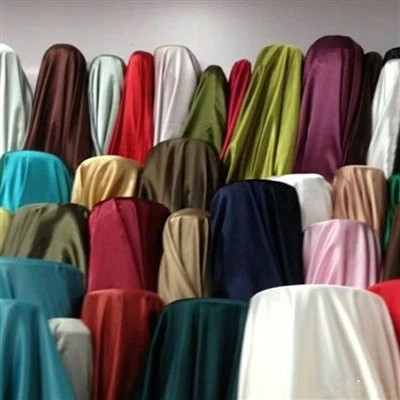
As a plain dyed polyester fabric supplier, we offer a wide range of products, including Optical White Pocket Lining Fabric, 160gsm Fabrics Dyeing Fabrics, and Embossed Plain Dyed Bedsheet Fabric. All of these products can benefit from enhanced anti - microbial properties.
- Optical White Pocket Lining Fabric: This fabric is often used in clothing for its bright white color and smooth texture. By adding anti - microbial treatment, we can prevent the growth of bacteria and keep the pockets fresh, which is especially important for high - end clothing items.
- 160gsm Fabrics Dyeing Fabrics: With a medium weight of 160gsm, these fabrics are suitable for a variety of applications, such as shirts, dresses, and sportswear. Anti - microbial treatment can improve the comfort and hygiene of these products, making them more attractive to consumers.
- Embossed Plain Dyed Bedsheet Fabric: Bedsheets are in close contact with our skin for a long time, so having anti - microbial properties is crucial. The embossed pattern not only adds aesthetic appeal but also provides a larger surface area for the anti - microbial agent to work.
Challenges and Considerations
Enhancing the anti - microbial property of plain dyed polyester fabric is not without challenges.
Compatibility with Dyes
Some anti - microbial agents may react with the dyes used in the fabric, causing color changes or reducing the color fastness. It is important to conduct thorough compatibility tests before applying the anti - microbial treatment to ensure that the fabric's color and quality are not affected.
Durability
The anti - microbial treatment should be durable enough to withstand repeated washing and wear. Otherwise, the anti - microbial effect will quickly fade, and the fabric will lose its advantages. Research and development are needed to find more stable anti - microbial agents and application methods.
Environmental Impact
As mentioned earlier, some chemical anti - microbial agents may have negative environmental impacts. We should strive to use environmentally friendly anti - microbial agents and treatment methods to reduce our ecological footprint.
Conclusion
Enhancing the anti - microbial property of plain dyed polyester fabric is a multi - faceted task that requires a combination of different methods and careful consideration of various factors. As a supplier, we are committed to providing high - quality anti - microbial polyester fabrics to meet the diverse needs of our customers. Whether you are in the fashion, home textile, or medical industry, our products with enhanced anti - microbial properties can offer you a competitive edge.
If you are interested in our plain dyed polyester fabrics with improved anti - microbial performance, please feel free to contact us for more information and to start a procurement negotiation. We look forward to working with you to create innovative and hygienic textile solutions.
References
- A. S. M. Iftekhar, M. A. Hossain, & M. S. Islam, "Antimicrobial finishing of textiles: A review," Journal of Industrial and Engineering Chemistry, vol. 20, no. 6, pp. 4713 - 4724, 2014.
- X. Wang, Y. Zhang, & X. Chen, "Recent advances in antibacterial textiles," Progress in Polymer Science, vol. 39, no. 1, pp. 1 - 24, 2014.
- M. K. Purwar, & A. Joshi, "Antimicrobial finishing of textiles using natural agents," Indian Journal of Fibre & Textile Research, vol. 32, no. 4, pp. 377 - 385, 2007.