Satin fabric has long been admired for its luxurious sheen and smooth texture, making it a popular choice in various industries, from fashion to home decor. As a satin fabric supplier, I often encounter questions from customers about the durability of this elegant material. In this blog post, I'll delve into the factors that affect the durability of satin fabric, explore different types of satin, and provide insights to help you make informed decisions when using or purchasing satin.
Understanding Satin Fabric
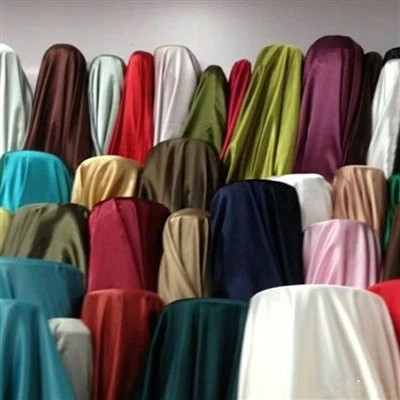
Satin is not a fiber but a weave. It is characterized by a smooth, shiny surface on one side and a duller side on the other. The satin weave is achieved by floating the warp (lengthwise) or weft (crosswise) yarns over multiple yarns in the opposite direction, creating long floats that give the fabric its characteristic luster. Satin can be made from a variety of fibers, including silk, polyester, nylon, and rayon, each with its own set of properties and durability characteristics.
Factors Affecting the Durability of Satin Fabric
Fiber Type
- Silk Satin: Silk is a natural protein fiber known for its luxurious feel and high strength. Silk satin is soft, breathable, and has excellent drapability. However, it is also more delicate compared to synthetic satins. Silk can be damaged by prolonged exposure to sunlight, which can cause it to weaken and fade. It is also sensitive to moisture and can develop mildew if not properly cared for.
- Polyester Satin: Polyester is a synthetic fiber that is widely used in satin production. 100% Polyester Satin Cloth Satin Fabric is highly durable, resistant to wrinkles, and easy to care for. It is less likely to shrink or stretch compared to natural fibers. Polyester satin can withstand regular washing and is less prone to damage from sunlight and moisture.
- Nylon Satin: Nylon is another synthetic fiber that is often used in satin weaves. Nylon satin is strong, lightweight, and has good abrasion resistance. It is commonly used in applications where durability is a key requirement, such as sportswear and outdoor gear.
- Rayon Satin: Rayon is a semi - synthetic fiber made from cellulose. Rayon satin has a soft, silky feel similar to silk, but it is generally less durable. It can be prone to shrinking and wrinkling, and it may lose its shape over time.
Weave Density
The density of the satin weave also plays a role in its durability. A higher weave density means that there are more yarns per square inch, resulting in a stronger and more durable fabric. Fabrics with a loose weave are more likely to snag or tear, while those with a tight weave can better withstand wear and tear.
Finish and Treatment
Some satin fabrics are treated with special finishes to enhance their durability. For example, water - repellent finishes can protect the fabric from moisture damage, while stain - resistant treatments can make it easier to clean. These finishes can extend the lifespan of the satin fabric, especially in applications where it is likely to come into contact with dirt, stains, or moisture.
Durability in Different Applications
Fashion
In the fashion industry, satin is often used for eveningwear, lingerie, and bridal gowns. Silk satin is a popular choice for these applications due to its luxurious appearance. However, the durability of silk satin may be a concern, especially for garments that will be worn multiple times. Polyester satin is a more practical option for everyday wear or for garments that need to withstand frequent washing. Elastic Satin Fabric is also commonly used in fashion, as it provides both comfort and durability, making it suitable for form - fitting garments.


Home Decor
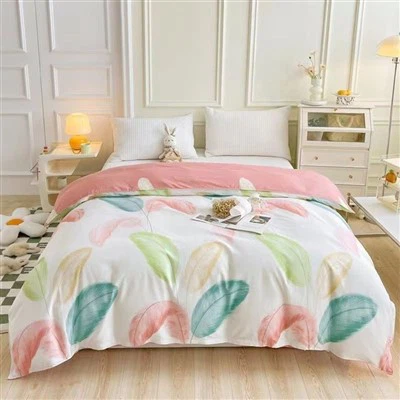
Satin fabric is also widely used in home decor, such as curtains, bedding, and upholstery. When used for curtains, the durability of the satin fabric is important, as it will be exposed to sunlight and regular handling. Polyester or nylon satins are often preferred for curtains due to their resistance to fading and wear. For bedding, silk satin can provide a luxurious and comfortable sleep experience, but it may require more careful maintenance. Upholstery made from satin should be chosen based on the level of traffic in the room. High - traffic areas may require a more durable synthetic satin.
Industrial and Specialized Applications
In industrial and specialized applications, such as automotive interiors and aerospace components, durability is of utmost importance. Satin fabrics made from high - performance synthetic fibers are often used in these applications due to their strength, abrasion resistance, and ability to withstand harsh environments.
Caring for Satin Fabric to Enhance Durability
Proper care is essential to maintain the durability of satin fabric. Here are some tips:
- Washing: Always follow the care instructions on the fabric label. Most synthetic satins can be machine - washed on a gentle cycle using a mild detergent. Silk satin should be hand - washed or dry - cleaned to prevent damage.
- Drying: Avoid high - heat drying, as it can cause shrinkage and damage to the fabric. Air - drying is the best option for satin fabric.
- Ironing: Use a low - heat setting when ironing satin fabric. Place a pressing cloth between the iron and the fabric to prevent scorching.
- Storage: Store satin fabric in a cool, dry place away from direct sunlight. Folding the fabric neatly and avoiding sharp creases can help prevent damage.
Customizing Satin Fabric for Durability
As a satin fabric supplier, I understand that different customers have different requirements for durability. That's why we offer Satin Fabric Textile Custom Style. We can work with you to select the right fiber, weave density, and finish to meet your specific needs. Whether you need a durable satin for outdoor use or a luxurious silk satin for a special occasion, we can provide customized solutions.
Conclusion
The durability of satin fabric depends on several factors, including the fiber type, weave density, finish, and how it is cared for. While silk satin offers a luxurious look, synthetic satins such as polyester and nylon are generally more durable and easier to maintain. By understanding these factors and choosing the right satin fabric for your application, you can ensure that your satin products last for a long time.
If you're interested in purchasing satin fabric for your project, whether it's for fashion, home decor, or industrial use, I invite you to contact us for a detailed discussion. Our team of experts can help you select the most suitable satin fabric based on your durability requirements and budget. Let's work together to bring your ideas to life with high - quality satin fabric.
References
- Textile Institute. "Handbook of Textile Fibres." Woodhead Publishing, 2015.
- Lewis, David M. "Textile Science." Pearson Education, 2011.
- Tortora, Phyllis G., and Keith A. Merkel. "Fairchild's Dictionary of Textiles." Fairchild Books, 2015.