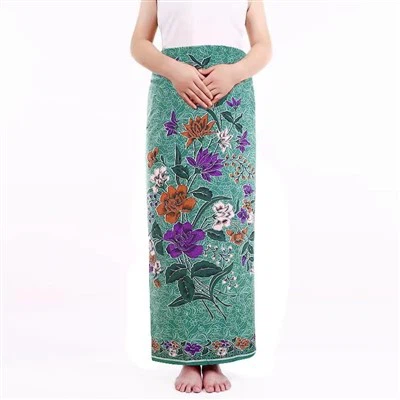
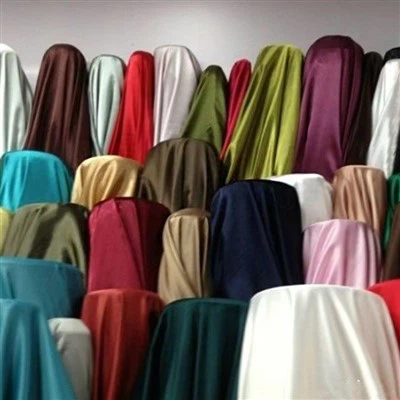
As a supplier of Print Cotton Twill Fabric, I understand the importance of vivid prints on cotton twill fabric. Vivid prints not only enhance the aesthetic appeal of the fabric but also increase its market value. In this blog post, I will share some tips on how to make the print on cotton twill fabric more vivid.
Understanding Cotton Twill Fabric
Before delving into the methods of achieving vivid prints, it is essential to understand the characteristics of cotton twill fabric. Cotton twill is a type of woven fabric with a distinct diagonal rib pattern. It is known for its durability, strength, and breathability. However, the texture of twill fabric can sometimes pose challenges when it comes to printing, as the diagonal weave may affect the absorption and distribution of ink.
Pre - treatment of the Fabric
- Cleaning and Degreasing
The first step in ensuring vivid prints is to start with a clean fabric. Cotton twill fabric may contain natural oils, dirt, or sizing agents that can interfere with the printing process. Use a mild detergent to wash the fabric thoroughly and remove any impurities. Rinse it well to ensure that no detergent residue remains. After washing, dry the fabric completely before proceeding with the printing. - Pre - mordanting
Pre - mordanting is a process that involves treating the fabric with a mordant to improve the adhesion of the dye or ink. For cotton twill fabric, alum or tannic acid can be used as mordants. Dissolve the mordant in water according to the manufacturer's instructions and soak the fabric in the mordant solution for a specified period. This will help the fabric better absorb and hold the printing ink, resulting in more vivid and long - lasting prints.
Choosing the Right Printing Method
- Screen Printing
Screen printing is a popular method for printing on cotton twill fabric. It involves using a stencil (screen) to apply ink to the fabric. To achieve vivid prints with screen printing, use high - quality screen printing inks specifically formulated for cotton. These inks are designed to adhere well to the fabric and provide rich, vibrant colors. Make sure the screens are properly prepared, with no blockages or imperfections. Apply multiple layers of ink if necessary to build up the color intensity. - Digital Printing
Digital printing is another option for achieving vivid prints on cotton twill fabric. It offers high precision and the ability to print complex designs. When using digital printing, choose a printer that is compatible with cotton fabric and use pigment - based inks. Pigment inks are known for their excellent color fastness and can produce vivid, long - lasting prints. Adjust the printer settings, such as resolution and ink density, to optimize the print quality.
Selecting High - Quality Inks
- Pigment Inks
Pigment inks are a great choice for printing on cotton twill fabric. They consist of tiny pigment particles that are suspended in a liquid carrier. Pigment inks are highly resistant to fading and provide excellent color saturation. They can produce vivid prints even on dark - colored fabrics. Look for pigment inks that are specifically formulated for cotton and have good adhesion properties. - Reactive Dyes
Reactive dyes are another option for achieving vivid prints on cotton twill fabric. These dyes react chemically with the cellulose fibers in the cotton to form a strong bond. Reactive dyes offer a wide range of bright and vivid colors. However, they require a more complex printing process, including a fixation step. Make sure to follow the manufacturer's instructions carefully when using reactive dyes to ensure optimal results.
Post - treatment of the Printed Fabric
- Fixation
After printing, it is crucial to fix the ink or dye to the fabric to ensure color fastness and vividness. For screen - printed fabrics, heat - setting is a common method of fixation. Use a heat press or a dryer to apply heat to the printed fabric at a specific temperature and for a certain period. This will help the ink bond with the fabric fibers. For fabrics printed with reactive dyes, a chemical fixation process is required. This usually involves soaking the fabric in a fixative solution and then rinsing it thoroughly. - Washing and Conditioning
Once the ink or dye is fixed, wash the printed fabric gently using a mild detergent. This will remove any excess ink or dye and help set the colors. Avoid using harsh chemicals or abrasive cleaners, as they can damage the print. After washing, condition the fabric with a fabric softener to make it more comfortable to wear and to enhance the color appearance.
Quality Control during the Printing Process
- Color Matching
Before starting the large - scale printing, create a color sample to ensure that the desired color is achieved. Use a color - matching system to accurately measure and adjust the color of the ink or dye. This will help maintain consistency in the print quality and ensure that the prints are vivid and true to the design. - Print Inspection
Regularly inspect the printed fabric during the printing process. Check for any signs of uneven printing, color bleeding, or ink smudging. If any issues are detected, stop the printing process immediately and make the necessary adjustments. This will help prevent the production of defective prints and ensure that the final product has vivid and high - quality prints.
The Role of Fabric Weave and Density
The weave and density of the cotton twill fabric can also affect the vividness of the prints. A tighter weave and higher fabric density can provide a smoother surface for printing, allowing the ink to spread more evenly and resulting in more vivid prints. However, a very tight weave may also make it more difficult for the ink to penetrate the fabric. Therefore, it is important to find the right balance between weave tightness and ink penetration.
Using Twill Cotton Spandex Fabric and 100% Twill Cotton Fabric
Twill cotton spandex fabric combines the durability of cotton twill with the stretch of spandex. When printing on this type of fabric, the same principles apply as for regular cotton twill fabric. However, the spandex content may require some adjustments in the printing process, such as using inks that are more flexible to accommodate the stretch.
100% twill cotton fabric, on the other hand, offers a pure cotton experience. It is highly absorbent and can hold the ink well, making it suitable for achieving vivid prints. When working with 100% twill cotton fabric, pay attention to the pre - treatment and post - treatment steps to ensure the best possible print quality.
Conclusion
Making the print on cotton twill fabric more vivid requires a combination of proper fabric pre - treatment, choosing the right printing method and inks, post - treatment, and quality control. By following these steps and using high - quality materials, you can achieve vibrant, long - lasting prints on cotton twill fabric.


If you are interested in purchasing Print Cotton Twill Fabric or have any questions about the printing process, please feel free to contact us. We are committed to providing high - quality fabric and excellent customer service. Let's work together to bring your creative designs to life with vivid prints on cotton twill fabric.
References
- "Textile Printing: Principles and Practice" by A. K. Roy
- "Handbook of Textile and Industrial Dyeing" edited by M. Clark