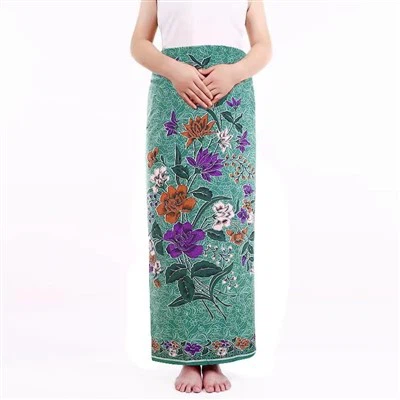
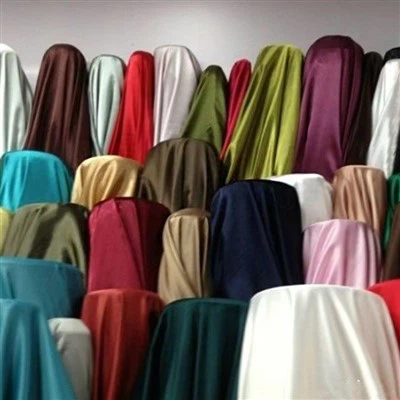
As a supplier of Plain Dyed Polyester Fabric, I understand the significance of ensuring high - quality products for our customers. Testing the quality of plain dyed polyester fabric is a multi - step process that involves various techniques and considerations. In this blog, I'll share with you how we test the quality of our Plain Dyed Polyester Fabric, which can be used in a wide range of applications, from Abaya Fabric to Polyester Ultrasonic Quilted Fabric.
Physical Inspection
The first step in testing the quality of plain dyed polyester fabric is a thorough physical inspection. This is usually done visually under appropriate lighting conditions. We look for any obvious defects such as holes, tears, or uneven dyeing. Holes can compromise the integrity of the fabric and may render it unsuitable for many applications. Tears, even small ones, can expand during use and lead to further damage.
Uneven dyeing is another critical issue. The color of the fabric should be consistent throughout. Any streaks, blotches, or color variations can affect the aesthetic appeal of the final product. For example, in Abaya Fabric, a uniform color is essential for a professional and high - end look.
We also check the fabric's texture. Polyester fabric should have a smooth and consistent feel. Any roughness or irregularities in the texture may indicate problems during the manufacturing process, such as improper finishing or contamination.
Tensile Strength Testing
Tensile strength is a measure of the fabric's ability to withstand pulling forces without breaking. To test the tensile strength of plain dyed polyester fabric, we use a tensile testing machine. A sample of the fabric is cut to a specific size and clamped at both ends of the machine. The machine then applies a gradually increasing pulling force until the fabric breaks.
The results of the tensile strength test are crucial. For applications where the fabric will be subjected to stretching or pulling, such as in some types of clothing or upholstery, a high tensile strength is necessary. A low tensile strength may indicate that the fabric is weak and prone to tearing during normal use.
We compare the test results with industry standards to ensure that our plain dyed polyester fabric meets the required quality levels. If the tensile strength is below the standard, it could be due to issues with the polyester fibers themselves, such as low - quality raw materials or improper processing during manufacturing.
Colorfastness Testing
Colorfastness is an important quality parameter for plain dyed polyester fabric. It refers to the fabric's ability to retain its color when exposed to various conditions, such as washing, light, and rubbing.
Washing Fastness
To test the washing fastness, we follow standard washing procedures. A fabric sample is washed a certain number of times in a washing machine with a specified detergent and under controlled temperature and agitation conditions. After washing, we compare the color of the fabric sample with a standard color chart.
The degree of color change is rated on a scale. A high - quality plain dyed polyester fabric should have a high washing fastness rating. Poor washing fastness can lead to the fabric fading or bleeding color onto other fabrics during laundering, which is unacceptable for most applications.
Light Fastness
Light fastness testing involves exposing the fabric sample to artificial light sources that simulate sunlight. The sample is placed in a light - exposure chamber for a specific period. After the exposure, the color change of the fabric is evaluated.
Light can cause the dye in the fabric to break down over time, resulting in color fading. For outdoor applications or fabrics that will be exposed to sunlight for long periods, good light fastness is essential. For example, if the plain dyed polyester fabric is used in outdoor awnings or curtains, it needs to maintain its color for an extended period.
Rubbing Fastness
Rubbing fastness is tested by rubbing a fabric sample against a white cloth under a specific pressure and number of rubs. The amount of color transferred from the dyed fabric to the white cloth is then evaluated. This test is important because in many applications, the fabric may be subjected to rubbing, such as in clothing where it rubs against the body or other objects.
Pilling Resistance Testing
Pilling is the formation of small balls of fibers on the surface of the fabric due to friction. This can occur during normal use, especially in fabrics that are in contact with other surfaces or are subjected to abrasion.
To test the pilling resistance of plain dyed polyester fabric, we use a pilling tester. A fabric sample is placed in the tester, which simulates the rubbing and abrasion that the fabric may experience in real - life situations. After a specified number of cycles, the fabric is removed, and the degree of pilling is evaluated.
The pilling resistance is rated on a scale. A high - quality plain dyed polyester fabric should have a good pilling resistance rating. In applications such as upholstery or clothing, excessive pilling can make the fabric look old and shabby quickly, reducing its overall quality and appeal.
Shrinkage Testing
Shrinkage is the reduction in the size of the fabric after washing or exposure to certain conditions. To test the shrinkage of plain dyed polyester fabric, we measure the dimensions of a fabric sample before and after washing.
The sample is washed under standard conditions, and then allowed to dry. After drying, we measure the length and width of the sample again. The percentage of shrinkage is calculated based on the difference in dimensions.
For most applications, a low shrinkage rate is desirable. In clothing manufacturing, for example, excessive shrinkage can cause the garment to become too small after the first wash, leading to customer dissatisfaction.
Air Permeability Testing
Air permeability is a measure of how easily air can pass through the fabric. This property is important for applications where breathability is required, such as in sportswear or some types of bedding.
To test the air permeability of plain dyed polyester fabric, we use an air permeability tester. A fabric sample is placed on the tester, and air is forced through the fabric at a controlled pressure. The amount of air that passes through the fabric per unit area and time is measured.

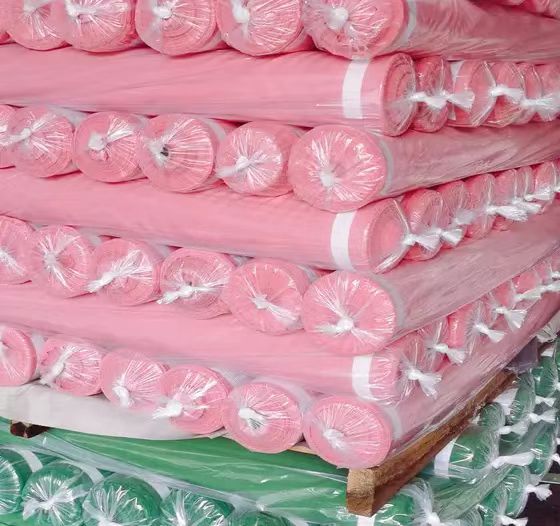
The air permeability of the fabric affects its comfort level. A fabric with high air permeability allows air to circulate freely, which can keep the wearer cool and dry. In contrast, a fabric with low air permeability may feel stuffy and uncomfortable, especially in hot and humid conditions.
Conclusion
Testing the quality of plain dyed polyester fabric is a comprehensive process that involves multiple aspects. From physical inspection to various performance tests, each step is crucial to ensure that the fabric meets the high - quality standards required by our customers.
As a supplier, we are committed to providing the best - quality plain dyed polyester fabric. Our strict quality control measures, including the tests mentioned above, help us to identify and address any potential issues before the fabric reaches our customers.
If you are interested in our Plain Dyed Polyester Fabric or have any questions about its quality, please feel free to contact us for further discussion and for potential procurement. We look forward to serving you and meeting your fabric needs.
References
- Textile Testing Handbook, Third Edition, by A. K. Mohanty
- ASTM International Standards for Textile Testing
- ISO Standards for Textile Quality Assurance