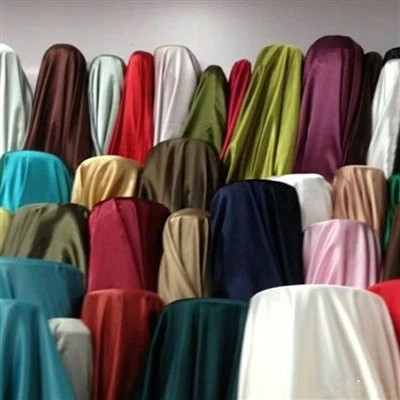
Is satin fabric hypoallergenic? That's a question I get asked a lot as a satin fabric supplier. I've seen firsthand how different types of satin can affect people, so I'm here to break it down for you.


Let's start with the basics. Satin is a type of weave, not a specific fiber. This means that satin can be made from various materials, each with its own properties when it comes to allergies. The most common fibers used to make satin are silk, polyester, and a blend of different materials.
Silk satin is often considered a luxury fabric. It's smooth, soft, and has a beautiful sheen. Many people love silk satin for its natural feel and breathability. But is it hypoallergenic? Well, silk is a natural protein fiber, and for most people, it's well - tolerated. It doesn't trap dust and dirt as easily as some other fabrics, which can be a plus for allergy sufferers. However, some people may be allergic to the proteins in silk. These allergies are relatively rare, but they do exist. If you have a known silk allergy, obviously, silk satin is not the right choice for you.
Now, let's talk about polyester satin. Polyester is a synthetic fiber, and Polyester Satin Fabrics are quite popular. Polyester satin is durable, easy to care for, and usually more affordable than silk satin. From an allergy perspective, polyester is generally hypoallergenic. It doesn't absorb moisture as readily as natural fibers, which means it's less likely to harbor mold, mildew, and dust mites. These are common allergens that can cause problems for people with sensitivities. So, if you're looking for a satin fabric that's less likely to trigger allergies, polyester satin is a great option.
Another type of satin is Elastic Satin Fabric. This fabric combines the smoothness of satin with some stretch, which makes it ideal for form - fitting clothing. Elastic satin can be made from a blend of polyester and other fibers, like spandex. The polyester component helps keep it hypoallergenic, while the spandex adds the stretch. As long as you're not allergic to spandex (which is also rare), elastic satin can be a good choice for those with allergies.
American Satin is yet another variety. American satin is often made from a blend of fibers, and its properties can vary depending on the specific blend. But in general, if it has a significant polyester content, it's likely to be hypoallergenic.
When it comes to choosing a hypoallergenic satin fabric, there are a few other things to consider. First, the finish of the fabric matters. Some satin fabrics are treated with chemicals during the manufacturing process. These chemicals can include dyes, flame retardants, and wrinkle - resistant treatments. If you have sensitive skin or allergies, these chemicals can cause irritation. So, look for satin fabrics that are labeled as "low - chemical" or "eco - friendly."
The way you care for your satin fabric also plays a role. Using gentle detergents and avoiding harsh chemicals in the washing process can help keep the fabric hypoallergenic. Also, make sure to dry the fabric properly. Damp satin can attract mold and mildew, which are major allergy triggers.
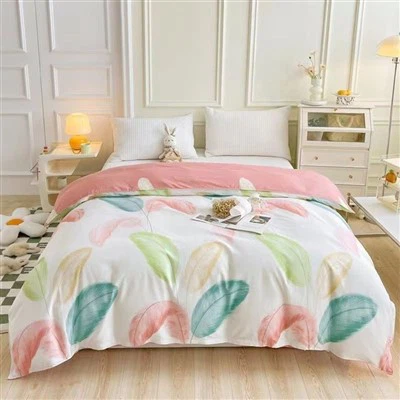
In addition to clothing, satin is also used in bedding. Satin sheets can be a luxurious addition to your bedroom. But if you have allergies, you need to be careful. Silk satin sheets can be great for some people, but as I mentioned earlier, those with silk allergies should avoid them. Polyester satin sheets are a more hypoallergenic option. They're less likely to cause skin irritation and can help keep your sleep environment allergen - free.
So, to sum it up, whether satin fabric is hypoallergenic depends on the type of fiber it's made from. Silk satin can be a problem for those with silk allergies, but for most people, it's well - tolerated. Polyester satin, on the other hand, is generally hypoallergenic and a great choice for allergy sufferers. Elastic satin and American satin can also be hypoallergenic, especially if they have a significant polyester content.
If you're in the market for satin fabric and have concerns about allergies, I'm here to help. As a satin fabric supplier, I have a wide range of options to choose from. Whether you need satin for clothing, bedding, or any other project, I can assist you in finding the right fabric that suits your needs and allergy sensitivities. Don't hesitate to reach out if you want to discuss your requirements further. We can have a chat about the best type of satin for you and even send you samples so you can see and feel the fabric for yourself.
References
- Textile Institute. Handbook of Textile Fibres.
- American Academy of Allergy, Asthma & Immunology. Information on fabric allergies.