Hey there! As a supplier of cotton twill fabric, I often get asked if this fabric is resistant to stains. It's a great question, and one that I'm happy to dive into. In this blog post, I'll share some insights on the stain resistance of cotton twill fabric, and also give you a better understanding of what makes it unique.
First off, let's talk about what cotton twill fabric is. It's a type of woven fabric made from cotton fibers. The twill weave is characterized by a distinct diagonal pattern on the fabric's surface. This weave gives cotton twill its strength, durability, and a bit of stretch. It's commonly used in a variety of products, from clothing like jeans and workwear to home decor items like curtains and upholstery.
Now, when it comes to stain resistance, cotton twill fabric doesn't have a built - in superpower to repel stains. Cotton is a natural fiber, and it has a porous structure. This means that it can absorb liquids quite easily, including those that cause stains. For example, if you spill a glass of red wine on a piece of cotton twill fabric, the fabric will quickly soak up the liquid, and the pigments in the wine will start to bind to the cotton fibers.
However, the good news is that there are several factors that can influence how resistant cotton twill fabric appears to be to stains. One of these factors is the finish applied to the fabric. Some cotton twill fabrics are treated with special finishes that can enhance their stain - resistance. These finishes work by creating a barrier on the surface of the fabric, preventing liquids from penetrating easily. For instance, a water - repellent finish can make water beads up and roll off the fabric, rather than being absorbed.
Another factor is the density of the twill weave. A tighter twill weave can make the fabric less porous, which means it might be a bit more resistant to stains. Fabrics with a high thread count generally have a denser weave, and they can offer better protection against spills.
Let's take a look at different types of cotton twill fabric and how they might perform when it comes to stains.
Twill Cotton Spandex Fabric
The Twill Cotton Spandex Fabric combines the strength of cotton twill with the stretch of spandex. The addition of spandex gives this fabric a bit more flexibility, making it great for clothing items that require a lot of movement, like leggings or athletic wear. In terms of stain resistance, it's similar to regular cotton twill. The cotton part of the fabric can still absorb stains, but the spandex doesn't really play a big role in stain absorption. However, because this fabric is often used in activewear, it's more likely to come into contact with sweat, dirt, and other substances that can cause stains. So, it might need more frequent cleaning.
100% Twill Cotton Fabric
The 100% Twill Cotton Fabric is made entirely of cotton. It has that classic twill look and feel, and it's very breathable. But as we mentioned earlier, being 100% cotton means it's quite absorbent. This fabric is commonly used in workwear, so it can get exposed to all sorts of stains, from oil and grease to food spills. If you're using this fabric for work clothes, it's important to treat stains as soon as possible to prevent them from setting in.
Print Cotton Twill Fabric
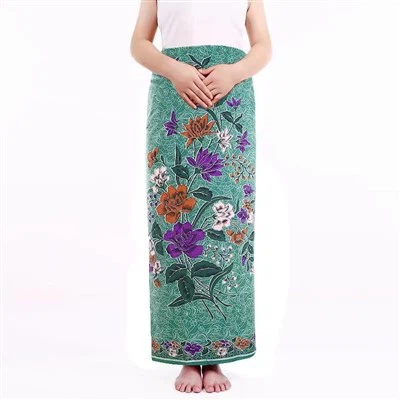
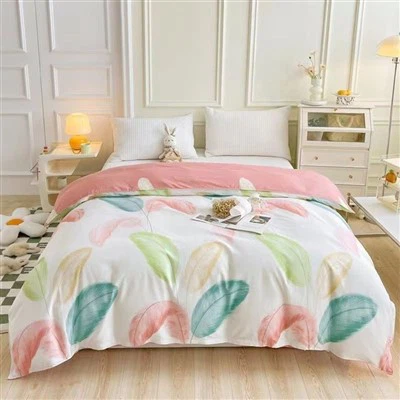
The Print Cotton Twill Fabric adds a decorative element to the cotton twill. The printing process doesn't really change the fabric's basic stain - absorbing properties. However, the printed designs can sometimes make stains less noticeable, especially if the colors of the print blend in with the stain. But of course, this doesn't mean the stain isn't there; it just might be less obvious at first glance.
So, how can you deal with stains on cotton twill fabric? The key is to act quickly. As soon as you notice a stain, blot it with a clean, dry cloth to absorb as much of the liquid as possible. Don't rub the stain, as this can spread it and make it worse. Then, depending on the type of stain, you can use a suitable stain remover. For example, for grease stains, a degreaser or dish soap can work well. For food stains, a pre - treatment spray might do the trick.
It's also important to follow the care instructions for the fabric. Some cotton twill fabrics can be machine - washed, while others might require dry - cleaning. Washing the fabric in hot water can sometimes help to remove stubborn stains, but be careful, as high temperatures can also shrink or damage the fabric.


In conclusion, while cotton twill fabric isn't naturally highly resistant to stains, there are ways to manage and minimize the impact of stains. By choosing the right type of fabric, taking advantage of special finishes, and acting quickly when a stain occurs, you can keep your cotton twill items looking great for a long time.
If you're in the market for high - quality cotton twill fabric, whether it's for clothing production, home decor projects, or any other use, I'd love to have a chat with you. I can provide you with samples of different types of cotton twill fabric, so you can see and feel the difference for yourself. Don't hesitate to reach out if you have any questions or if you're interested in starting a procurement process.
References
- "Textile Science and Technology" by J. E. Booth
- "Handbook of Textile Fibre Structure" edited by David J. Rigby and David M. Baird