Yo! I'm a supplier of Print Cotton Twill Fabric, and today I wanna chat about its antibacterial properties. You know, in our daily lives, fabrics are everywhere, and their antibacterial features can be a real game - changer.
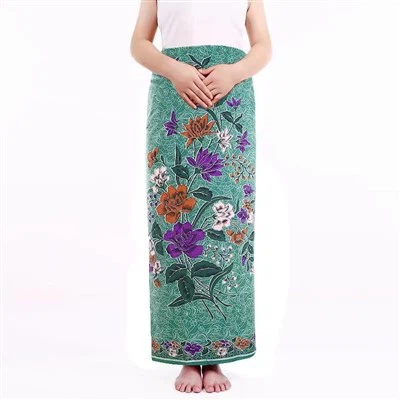
First off, let's understand what print cotton twill fabric is. It's a type of cotton fabric with a twill weave. The twill weave gives it a diagonal pattern on the surface, which not only looks cool but also makes the fabric more durable compared to some other weaves. And the "print" part means it has all sorts of cool designs printed on it, making it super versatile for different applications.
Now, let's dig into the antibacterial side of things. Cotton itself has some natural antibacterial properties, but it's not super - strong on its own. The cellulose in cotton can absorb moisture. When there's too much moisture, it can create a breeding ground for bacteria. However, modern technology has allowed us to enhance the antibacterial capabilities of print cotton twill fabric.


One way is through the use of antibacterial finishes. These are special chemicals that are applied to the fabric during the manufacturing process. For example, some finishes contain silver ions. Silver has long been known for its antibacterial properties. When bacteria come into contact with the silver ions on the fabric, the ions can interfere with the bacteria's cell membranes and metabolic processes. This stops the bacteria from growing and multiplying, effectively reducing the number of bacteria on the fabric.
Another common antibacterial agent used is triclosan. Triclosan can inhibit the growth of a wide range of bacteria, including both gram - positive and gram - negative bacteria. It works by blocking the active sites of certain enzymes in bacteria, preventing them from carrying out essential functions like synthesizing fatty acids, which are crucial for building cell membranes.
But it's not just about adding chemicals. The structure of the twill weave also plays a role in the fabric's antibacterial performance. The tight diagonal pattern of the twill weave can limit the amount of air and moisture that gets trapped in the fabric. Since bacteria need moisture and a certain level of oxygen to thrive, the twill weave's structure can make it a less hospitable environment for them.
Let's talk about the benefits of having antibacterial print cotton twill fabric. In the medical field, it can be a lifesaver. Hospital gowns and bedding made from this fabric can help prevent the spread of harmful bacteria. For example, in surgical units, reducing the number of bacteria on the linens can lower the risk of post - operative infections.
In the fashion industry, it's also a big deal. Think about sportswear. When you're sweating during a workout, bacteria can quickly multiply on your clothes, causing that unpleasant odor. But antibacterial print cotton twill fabric can keep the odor at bay, making your sportswear more comfortable and hygienic to wear.
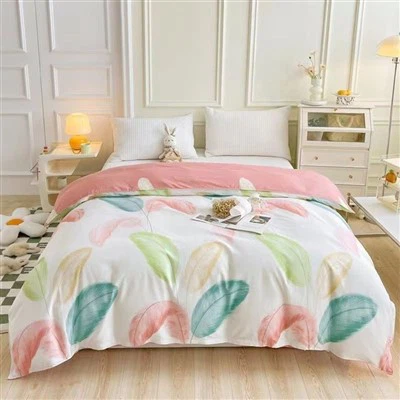
In home textiles, like curtains and upholstery, antibacterial properties can make the environment in your home healthier. It can reduce the presence of dust mites and bacteria that might cause allergies or respiratory problems.
Now, you might be wondering if there are any downsides. Well, one concern is the potential environmental impact of some antibacterial finishes. For example, triclosan has been found to be persistent in the environment and can have negative effects on aquatic life. But many fabric manufacturers, including us, are working on more eco - friendly alternatives. We're looking into natural antibacterial agents like tea tree oil and neem oil. These natural substances have antibacterial properties and are biodegradable, so they're much better for the environment.
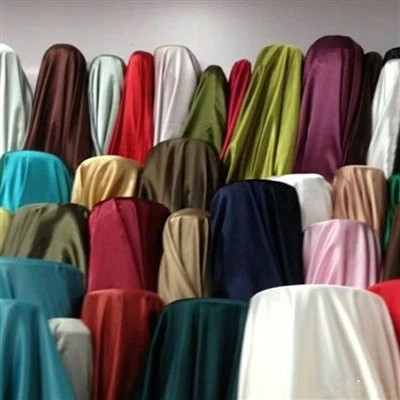
If you're in the market for high - quality Print Cotton Twill Fabric with excellent antibacterial properties, we've got you covered. We also offer Twill Cotton Spandex Fabric and 100% Twill Cotton Fabric, each with its own unique features.
Whether you're a medical institution looking for hygienic textiles, a fashion brand in need of functional fabrics, or a home decorator wanting to create a healthy living space, our fabrics can meet your needs. We're always open to discussing your specific requirements and finding the best solutions for you. So, if you're interested, don't hesitate to reach out and start a conversation about your procurement needs.
References
- "Textile Chemistry" by some well - known textile experts
- Research papers on antibacterial agents in textiles from various scientific journals