Hey there! As a supplier of cotton plain fabric, I often get asked about color - fastness. So, I thought I'd take some time to break it down for you and explain what it means for our amazing cotton plain fabrics.
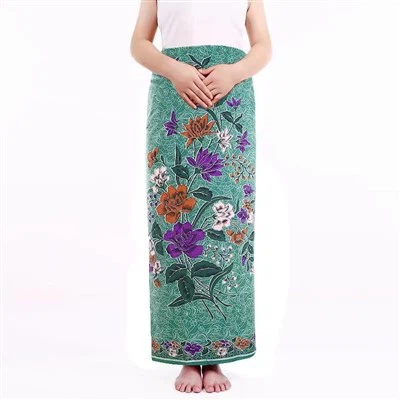
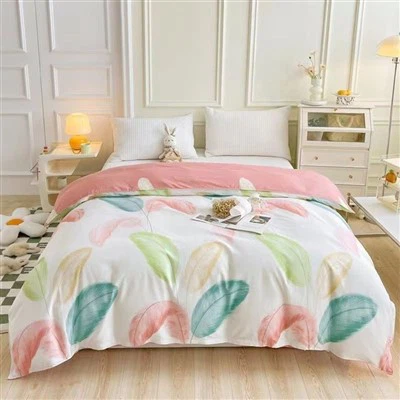
First off, what exactly is color - fastness? Well, it's basically a measure of how well a fabric retains its color when it's exposed to different conditions. Think about it like this: you buy a beautiful piece of cotton plain fabric, maybe a Print Cotton Fabric with a cool pattern or a Dyed Plain Cotton Fabric in a vibrant shade. You want that color to stay just as bright and vivid after multiple washes, exposure to sunlight, or even rubbing against other surfaces. That's where color - fastness comes in.
There are several factors that can affect the color - fastness of cotton plain fabric. One of the biggies is the dyeing process. The type of dye used makes a huge difference. Some dyes are just more stable and better at sticking to the cotton fibers than others. For example, reactive dyes are known for their good color - fastness on cotton. They form a chemical bond with the fibers, which means the color is less likely to fade or bleed. On the other hand, some cheaper dyes might not bond as well, and you could end up with a fabric that loses its color quickly.
Another factor is the quality of the cotton itself. Combed Cotton Fabric is often a great choice when it comes to color - fastness. Combing is a process that removes the shorter fibers from the cotton, leaving behind longer, smoother ones. These longer fibers have more surface area for the dye to attach to, which can result in better color - fastness. Plus, combed cotton is generally of higher quality, so it's more durable overall.
The way the fabric is treated after dyeing also matters. If it's not properly rinsed or fixed, there could be excess dye left on the fabric. This excess dye can easily come off during washing or other treatments, leading to poor color - fastness. At our place, we make sure to follow strict post - dyeing procedures to ensure that all our cotton plain fabrics have the best possible color - fastness.
Now, let's talk about the different types of color - fastness tests. There are a bunch of them, and they each simulate different real - world conditions.


The wash fastness test is one of the most common. In this test, a sample of the fabric is washed multiple times in a special washing machine under controlled conditions. The temperature, type of detergent, and number of washes are all carefully regulated. After the washes, the fabric is evaluated for color change and staining of adjacent fabrics. If the fabric doesn't change color much and doesn't stain the other fabrics, it has good wash fastness.
Light fastness is another important test. Cotton plain fabric that's going to be used for things like curtains or outdoor clothing needs to be able to withstand sunlight without fading. In a light fastness test, the fabric is exposed to a light source that mimics sunlight for a certain period of time. Then, the color change is measured. Fabrics with good light fastness will keep their color even after long - term exposure to light.
Rubbing fastness is also crucial, especially for fabrics that will be rubbed against other surfaces. For example, if you're making a piece of clothing, the fabric might rub against your skin or other clothes. In a rubbing fastness test, a piece of the fabric is rubbed against a white cloth under a specific pressure. The amount of color that transfers to the white cloth is then evaluated. A fabric with good rubbing fastness won't transfer much color.
As a supplier, we take color - fastness very seriously. We know that our customers expect high - quality fabrics that will look great and last a long time. That's why we work closely with our dyeing partners to use the best dyes and processes. We also test all our fabrics regularly to make sure they meet our high standards of color - fastness.
If you're in the market for cotton plain fabric, whether it's for clothing, home decor, or any other application, color - fastness should definitely be on your radar. You don't want to end up with a product that looks great at first but then fades or bleeds after a few uses.
When you're choosing a cotton plain fabric supplier, make sure to ask about their color - fastness testing procedures. A good supplier will be able to provide you with detailed information about the color - fastness of their fabrics. At our company, we're always happy to share our test results and answer any questions you might have.
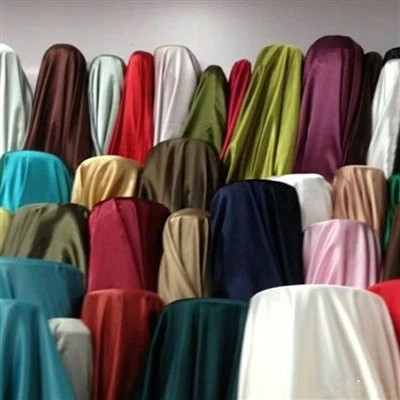
We also offer a wide range of cotton plain fabrics with different colors, patterns, and finishes. Whether you're looking for a simple dyed fabric or a printed one, we've got you covered. And because we focus on color - fastness, you can be confident that our fabrics will maintain their color and quality over time.
So, if you're interested in our cotton plain fabrics, whether it's the Print Cotton Fabric, Dyed Plain Cotton Fabric, or Combed Cotton Fabric, don't hesitate to reach out. We'd love to have a chat with you about your specific needs and see how we can help. Whether you're a small - scale designer or a large - scale manufacturer, we're here to provide you with the best cotton plain fabrics with top - notch color - fastness.
In conclusion, color - fastness is a key aspect of cotton plain fabric. It affects how long the fabric will look good and how well it will perform in different applications. By understanding the factors that affect color - fastness and the tests used to evaluate it, you can make more informed decisions when buying cotton plain fabric. And if you're looking for a reliable supplier, we're here to offer you high - quality fabrics that meet your expectations.
References
- Textile Institute. "Color Fastness Testing: A Comprehensive Guide."
- ASTM International. "Standards for Color Fastness Evaluation of Textiles."