Hey there! As a supplier of cotton twill fabric, I get asked a lot about whether this fabric is easy to sew. Well, let's dive right into it and explore the ins and outs of working with cotton twill.
First off, what exactly is cotton twill fabric? It's a type of woven fabric made from cotton fibers. The defining characteristic of twill is its distinct diagonal ribbing pattern. This pattern is created by the way the yarns are woven together, with one yarn passing over two or more others. This gives twill fabric its unique look and feel.
Now, to answer the big question: Is cotton twill fabric easy to sew? The short answer is yes, for the most part. But like any fabric, it has its own set of quirks that you need to be aware of.
Advantages of Sewing Cotton Twill
One of the biggest advantages of cotton twill is its durability. Cotton is a strong fiber, and the twill weave adds even more strength to the fabric. This means that once you've sewn your project, it's going to hold up well over time. Whether you're making a pair of pants, a tote bag, or a jacket, cotton twill can handle the wear and tear.
Another great thing about cotton twill is its drape. It has a nice, smooth drape that makes it easy to work with when you're cutting and sewing. Unlike some fabrics that are stiff or difficult to manipulate, cotton twill flows nicely and takes shape easily. This is especially important when you're working on projects that require a lot of curves or shaping, like a fitted dress or a tailored shirt.
Cotton twill is also relatively easy to cut. The diagonal ribbing pattern can actually help you line up your cuts more accurately. You can use the twill lines as a guide to ensure that your pieces are straight and even. Plus, because cotton twill is a stable fabric, it doesn't fray as easily as some other types of fabric. This means that you don't have to worry as much about finishing the edges right away, which can save you time and effort.
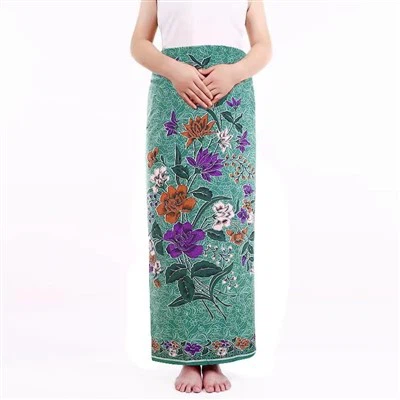
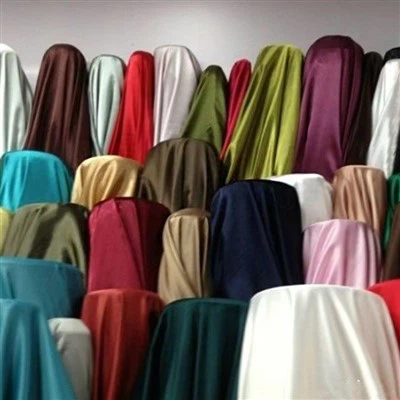
In addition, cotton twill is widely available in a variety of colors and prints. Whether you're looking for a classic solid color or a bold, eye-catching print, you're sure to find something that suits your style. You can check out our 100% Twill Cotton Fabric and Print Cotton Twill Fabric collections for some great options.
Challenges of Sewing Cotton Twill
While cotton twill has a lot of advantages, it's not without its challenges. One of the main challenges is that it can be a bit heavy. This can make it more difficult to sew on a lightweight sewing machine or if you're working on a project that requires a lot of intricate stitching. If you're using a home sewing machine, make sure it's up to the task. You may need to use a heavier needle and adjust your tension settings to ensure that the fabric sews smoothly.


Another challenge is that cotton twill can shrink when it's washed. This is especially true if you're using a 100% cotton twill fabric. To prevent shrinkage, it's important to pre-wash the fabric before you start sewing. You can wash it in warm water and dry it on a low setting. This will help to remove any excess sizing or chemicals and ensure that the fabric doesn't shrink after you've finished your project.
The twill weave can also make it a bit more difficult to sew small, precise stitches. The diagonal ribbing pattern can cause the fabric to shift slightly as you're sewing, which can make it challenging to keep your stitches straight and even. To overcome this, you may need to use a smaller stitch length and take your time when sewing. You can also use pins or clips to hold the fabric in place and prevent it from shifting.
Tips for Sewing Cotton Twill
Now that we've talked about the advantages and challenges of sewing cotton twill, let's go over some tips to help you make the most of this fabric.
- Choose the right needle: As mentioned earlier, cotton twill is a heavy fabric, so you'll need to use a heavier needle. A size 12 or 14 needle is usually a good choice. Make sure the needle is sharp and in good condition to prevent any snagging or tearing of the fabric.
- Adjust your tension: Because cotton twill is a thick fabric, you may need to adjust your sewing machine's tension settings. Start by testing a scrap piece of fabric to see how the stitches look. If the stitches are too loose or too tight, adjust the tension accordingly.
- Use a walking foot: A walking foot can be very helpful when sewing cotton twill. It helps to feed the fabric evenly through the machine, which can prevent the fabric from shifting and ensure that your stitches are straight and even.
- Finish the edges: Although cotton twill doesn't fray as easily as some other fabrics, it's still a good idea to finish the edges to prevent any unraveling. You can use a serger, a zigzag stitch, or a bias binding to finish the edges.
- Press as you go: Pressing is an important step in sewing cotton twill. It helps to flatten the seams and give your project a professional look. Use a hot iron and press the fabric from the wrong side to avoid any shine or damage to the fabric.
Conclusion
So, is cotton twill fabric easy to sew? Overall, I'd say yes. It has a lot of advantages that make it a great choice for a wide range of sewing projects. While it does have some challenges, with the right tools and techniques, you can overcome them and create beautiful, durable pieces.
If you're interested in purchasing cotton twill fabric for your next project, we have a great selection available. Check out our 100% Twill Cotton Fabric, Print Cotton Twill Fabric, and Twill Cotton Spandex Fabric collections. We're always happy to help you find the perfect fabric for your needs. If you have any questions or would like to discuss your project in more detail, feel free to reach out to us. We look forward to working with you!
References
- "The Complete Guide to Sewing with Cotton Twill" by Sewing World Magazine
- "Cotton Twill: Properties and Uses" by Textile Today Journal