As a seasoned supplier of cotton twill fabric, I've had the privilege of witnessing the diverse applications and unique characteristics of different fabrics. One of the most common questions I encounter is about the difference between cotton twill fabric and silk twill fabric. In this blog, I'll delve into the key distinctions between these two types of twill fabrics, exploring their composition, properties, uses, and more.
Composition and Structure
Cotton twill fabric is primarily made from cotton fibers. Cotton is a natural fiber derived from the cotton plant, known for its softness, breathability, and absorbency. The twill weave, which is characterized by a diagonal pattern on the fabric surface, is created by passing the weft yarn over one or more warp yarns in a regular sequence. This structure gives cotton twill fabric its distinctive appearance and durability.
On the other hand, silk twill fabric is made from silk fibers, which are produced by silkworms. Silk is a luxurious and delicate natural fiber, renowned for its smooth texture, luster, and strength. Similar to cotton twill, silk twill also features a twill weave, resulting in a diagonal pattern that enhances the fabric's drape and flow.
Properties
Softness and Comfort
Cotton twill fabric is celebrated for its softness against the skin, making it an excellent choice for clothing items that require comfort, such as shirts, pants, and dresses. The natural fibers in cotton allow the fabric to breathe, preventing the buildup of heat and moisture, which can lead to discomfort. Additionally, cotton twill is hypoallergenic, making it suitable for people with sensitive skin.
Silk twill fabric, on the other hand, offers a different level of softness. Its smooth and silky texture glides over the skin, providing a luxurious and sensual feel. Silk is also known for its temperature-regulating properties, keeping the body cool in hot weather and warm in cold weather. However, silk can be more delicate than cotton, requiring special care during washing and handling.
Durability
Cotton twill fabric is relatively durable, thanks to the strength of cotton fibers and the tight twill weave. It can withstand regular wear and tear, making it suitable for everyday clothing and heavy-duty applications. However, over time, cotton twill may fade and shrink if not properly cared for.
Silk twill fabric, while strong, is more delicate than cotton twill. Silk fibers are prone to damage from abrasion, sunlight, and chemicals. As a result, silk twill requires more gentle handling and care to maintain its quality and appearance.
Absorbency
Cotton is a highly absorbent fiber, capable of absorbing up to 27 times its weight in water. This makes cotton twill fabric ideal for items such as towels, bedding, and sportswear, as it can quickly wick away moisture from the body, keeping the wearer dry and comfortable.
Silk, on the other hand, has a lower absorbency compared to cotton. While it can absorb some moisture, it does not wick away sweat as effectively as cotton. However, silk's ability to regulate temperature helps to keep the body dry by reducing perspiration.
Appearance
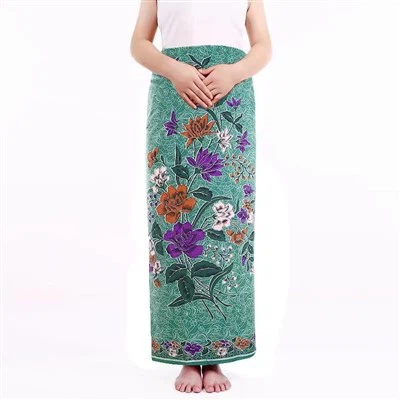
Cotton twill fabric typically has a more matte finish compared to silk twill. The diagonal pattern of the twill weave gives cotton twill a subtle texture and depth, adding visual interest to the fabric. Cotton twill is available in a wide range of colors and prints, making it a versatile choice for various fashion and design applications.
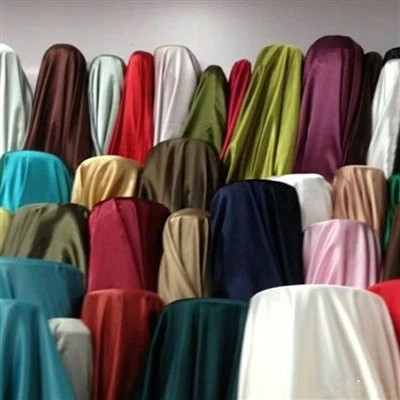
Silk twill fabric is known for its luxurious luster and sheen. The smooth surface of silk reflects light, creating a beautiful and elegant appearance. Silk twill also has a natural drape and flow, making it perfect for creating garments that require a fluid and graceful silhouette, such as evening gowns and scarves.
Uses
Cotton Twill Fabric
- Apparel: Cotton twill is commonly used in the production of casual and workwear clothing, such as jeans, chinos, khakis, and work pants. Its durability and comfort make it suitable for everyday wear.
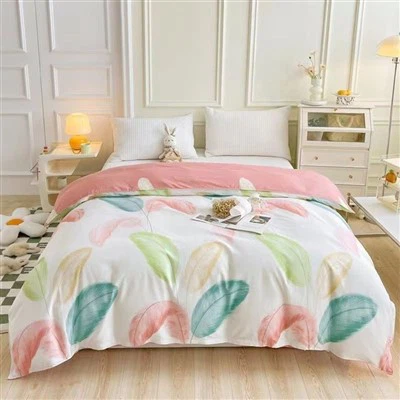
- Home Decor: Cotton twill is also popular for home decor items, such as curtains, upholstery, and bedding. Its absorbency and breathability make it a practical choice for these applications.
- Industrial Applications: Due to its strength and durability, cotton twill is used in various industrial applications, such as canvas, tents, and work gloves.
Silk Twill Fabric
- Apparel: Silk twill is often used in the creation of high-end fashion items, such as evening gowns, blouses, and scarves. Its luxurious appearance and drape make it a favorite among designers and fashion enthusiasts.
- Accessories: Silk twill is also used to make accessories, such as ties, pocket squares, and handbags. Its elegant and sophisticated look adds a touch of luxury to any outfit.
- Home Decor: Silk twill can be used to create luxurious home decor items, such as drapes, pillowcases, and tablecloths. Its luster and sheen can enhance the aesthetic appeal of any room.
Cost
Cotton twill fabric is generally more affordable than silk twill fabric. The cost of cotton is relatively low compared to silk, and the production process for cotton twill is less complex. As a result, cotton twill is a more budget-friendly option for those who want a durable and comfortable fabric without breaking the bank.
Silk twill fabric, on the other hand, is more expensive due to the high cost of silk production. Silk is a labor-intensive and time-consuming process, and the supply of silk is limited. Additionally, silk twill requires more delicate handling and care, which can also contribute to its higher cost.
Care and Maintenance
Cotton Twill Fabric
Cotton twill fabric is relatively easy to care for. It can be machine washed in cold or warm water with a mild detergent. However, it is recommended to avoid using bleach or harsh chemicals, as they can damage the fabric. After washing, cotton twill can be tumble dried on low heat or hung to dry. Ironing can be done on a medium setting.
Silk Twill Fabric
Silk twill fabric requires more delicate care. It is recommended to hand wash silk twill in cold water with a gentle detergent specifically designed for silk. Avoid wringing or twisting the fabric, as this can damage the fibers. After washing, gently squeeze out the excess water and lay the fabric flat to dry. Ironing should be done on a low setting, preferably with a pressing cloth to protect the fabric.
Conclusion
In conclusion, cotton twill fabric and silk twill fabric have distinct differences in terms of composition, properties, uses, cost, and care. Cotton twill is a durable, comfortable, and affordable option, suitable for everyday wear and a wide range of applications. Silk twill, on the other hand, is a luxurious and delicate fabric, known for its smooth texture, luster, and elegant appearance, making it ideal for high-end fashion and home decor items.
As a supplier of 100% Twill Cotton Fabric, Twill Cotton Spandex Fabric, and Print Cotton Twill Fabric, I understand the unique needs and preferences of my customers. Whether you're looking for a practical and comfortable fabric for everyday use or a luxurious and elegant fabric for special occasions, I can provide you with high-quality cotton twill fabric that meets your requirements.
If you're interested in purchasing cotton twill fabric or have any questions about our products, please feel free to contact me. I'd be happy to discuss your needs and provide you with more information. Let's work together to find the perfect fabric for your next project!


References
- "Cotton: Properties, Uses, and Care." Textile School.
- "Silk: A Luxury Fiber with a Rich History." The Spruce Crafts.
- "Twill Weave: Definition, Types, and Applications." Fabric Link.